Main Street
Westhampton













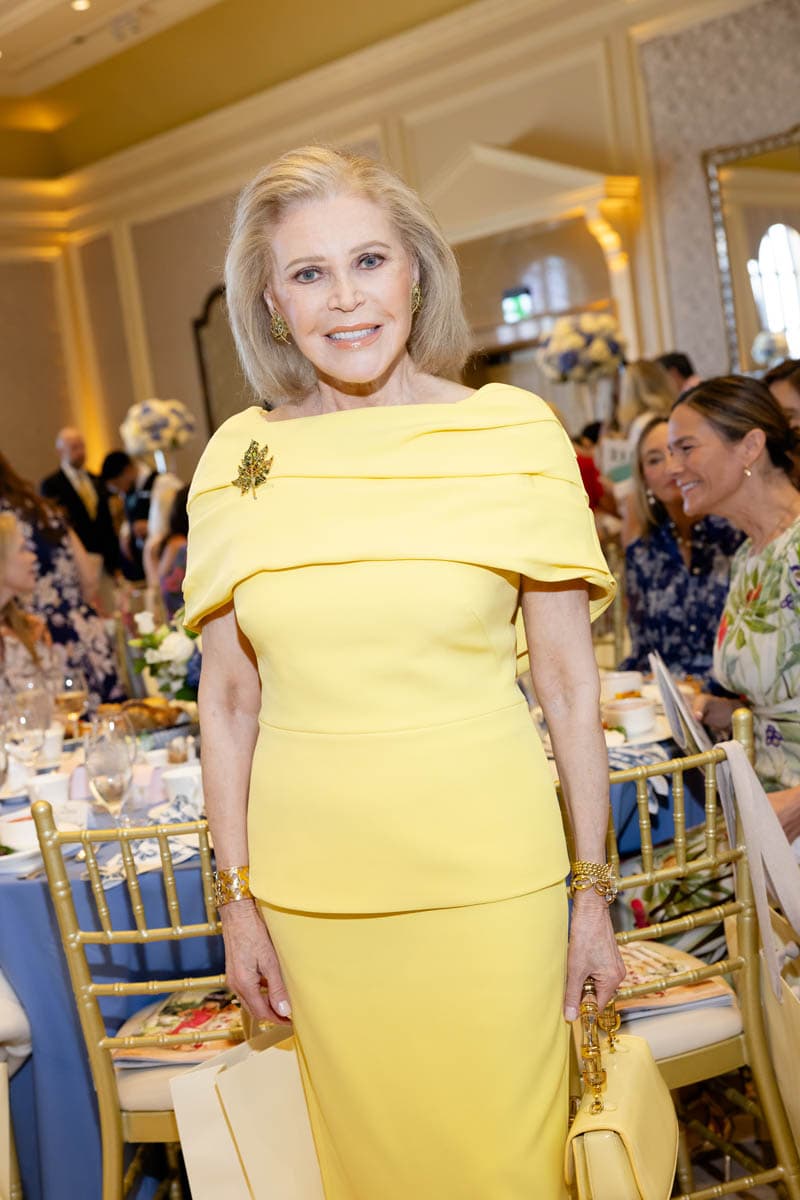





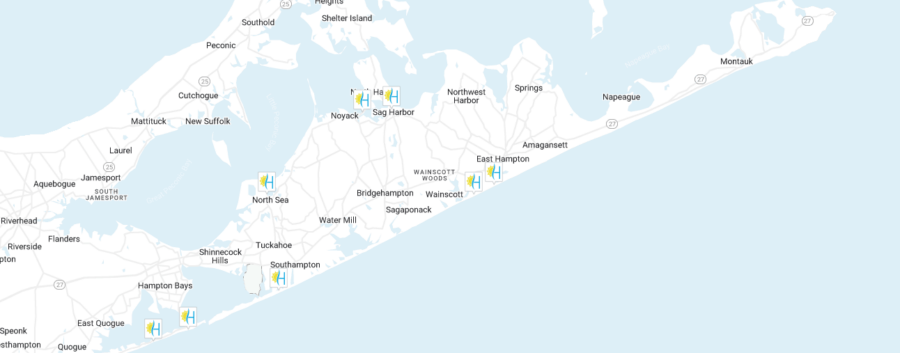






Empire of the Atlantic is a breathtaking taste of what everyone loves about the magic of the waters off the East End, specifically Montauk. Jeff Ragovin, Founder and CEO of Ragovin Ventures, is the executive producer through Bounty Uncharted Productions and assembled a team to bring the project to fruition.

On Tuesday, March 3rd, HamptonsFilm and Executive Producer Regina K. Scully hosted a special evening celebrating the film What Would Sophia Loren Do?. Complete with cocktails and a seated dinner, the screening was held at the gorgeous Colony Hotel in...

Check out the top Hamptons events this March weekend!

The Happening in the Hamptons Podcast by Saunders & Associates is a weekly discussion covering all things Hamptons — from local events to in-depth real estate market analysis. This week, Sarah Doud and John Savarese joined and discussed interest rates...

If you’re plugged into Hamptons real estate, you start to recognize new names. Then, at a certain point, you realize they’re not “new” anymore. Samantha Rego is there now, having closed $12M in sales in just 2 years. In that...

The Hamptons may be a little too far from the student section for March Madness to fully take hold. Generally, we’re more likely to know the best rosé list than a mid-major backcourt. Fine, maybe we’re not college basketball blue...

Brendan O'Dwyer has been selected to be the Grand Marshal of the 2026 Hampton Bays Hibernians St. Patrick's Day Parade. The parade is scheduled to kick off at 11 am on Saturday, March 21st, starting at American Legion Post 924,...

The Hamptons spring market is beginning to sprout, but the "soil" conditions vary depending on which village you're looking at. Here is the ground-level view
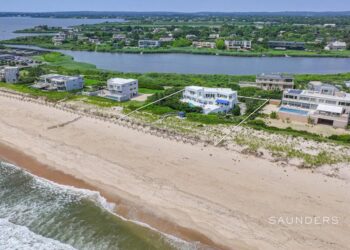
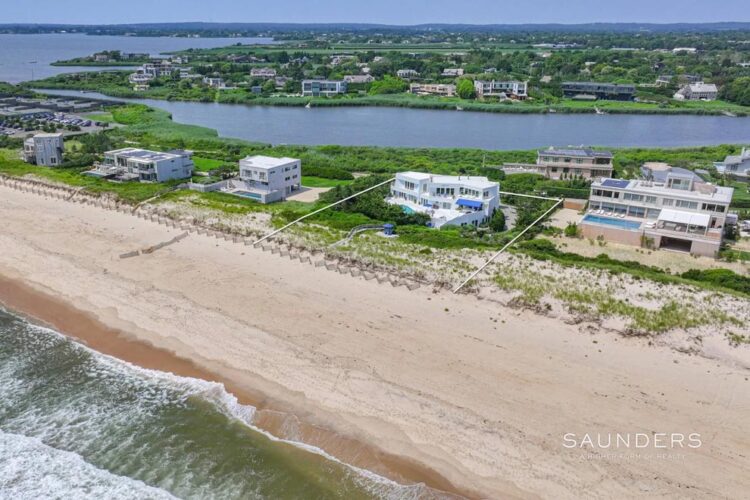
Experience an extraordinary summer in the Hamptons with this rare oceanfront rental on Mid Ocean Dr. Available from Memorial Day to Labor Day, this designer-furnished home offers six bedrooms, six baths, and stunning ocean views from every room.

Over the past week, there were 19 Listings that went into contract from Westhampton to Montauk. Compared to this same week last year (2025), there were 30 Listings that went into contract. Which is a year over year DECREASE of 37%.

Judging by the opening night's thunderous applause, the Hampton Theatre Company's production of "I Do! I Do!" is a smashing and dazzling success. Kudos to HTC President and Director Rosemary Cline, who, besides doing an outstanding job as Director, is...
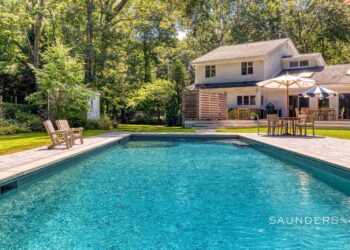
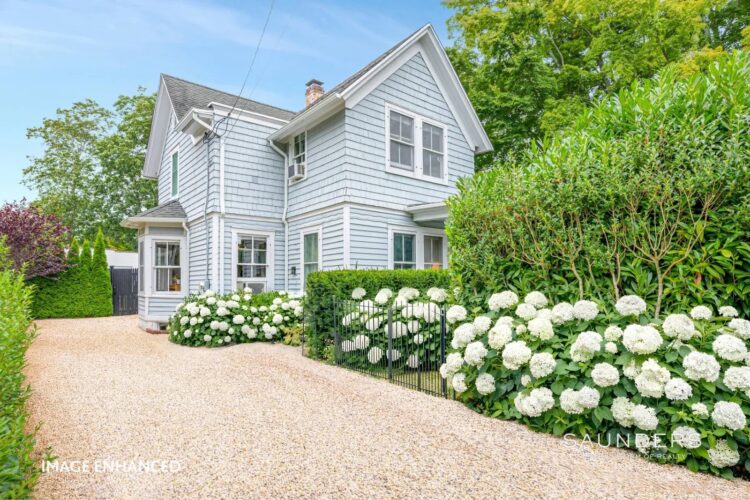
Located within close proximity to five sandy beach areas, this cheery, sun-filled contemporary sited on .87 acres is turn-key. The stone tiled foyer steps down to the living room which flows easily to an open floor plan to the rear...

In every community, there are organizations that quietly transform lives, places where children are nurtured, opportunities are created, and the future is shaped in ways that ripple far beyond a single moment. For our community, that place is Project MOST.
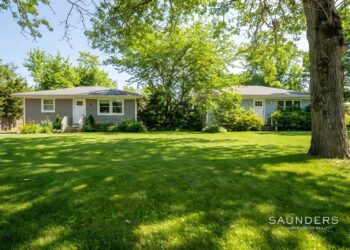
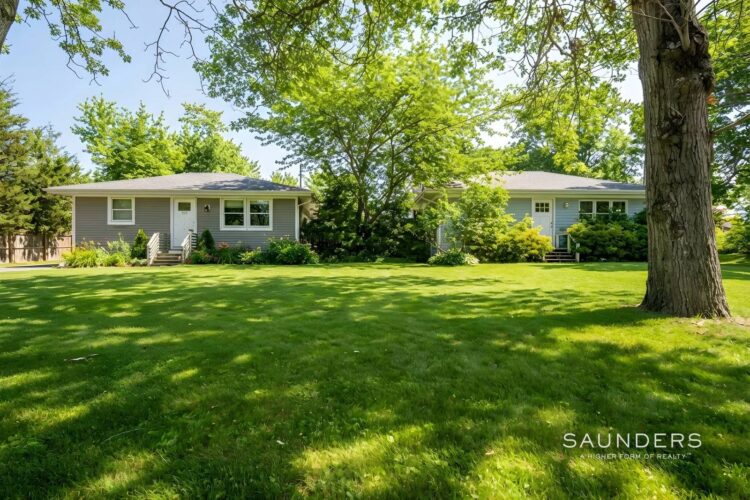
Three houses offered as a package deal - this is the most unique, cash-positive property on the market! Don't miss it. The front lot offers .28 acres, with two legal 1-story homes with current rental permits and tenants in place...
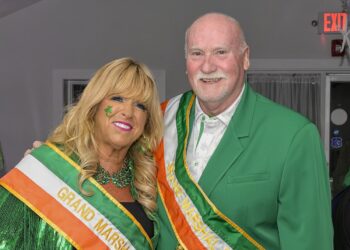
The Annual Westhampton Beach St. Patrick’s Day Parade is scheduled for Saturday, March 14, with festivities kicking off at noon. The parade celebrates its 58th year and will be led by 2026 Grand Marshal Allyson Barone Scerri. The parade begins...

The Happening in the Hamptons Podcast by Saunders & Associates is a weekly discussion covering all things Hamptons — from local events to in-depth real estate market analysis. This week, Charlotte Sasso joined and discussed beach permits and rentals in...

This winter, while most of us on the East End were hunkered down during historic snowfall, Rod Cummings was doing what he does best: selling luxury real estate. Not even a cumulative 50” of snowfall could derail the deal at...
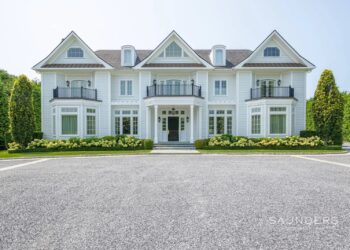
Well South of the Highway, the estate at 81 Meadowmere Place is a standard-bearer for Southampton sophistication and luxury living in the Hamptons. Impeccably maintained and ready for immediate enjoyment, the 4-story estate features 8 bedrooms, 9 full and 3...

Over the past week, there were 14 Listings that went into contract from Westhampton to Montauk. Compared to this same week last year (2025), there were 32 Listings that went into contract. Which is a year over year DECREASE of 56%.

Empire of the Atlantic is a breathtaking taste of what everyone loves about the magic of the waters off the East End, specifically Montauk. Jeff Ragovin, Founder and CEO of Ragovin Ventures, is the executive producer through Bounty Uncharted Productions...

On February 28th, the New York Junior League celebrated the 74th Annual Winter Ball: A Gilded Legacy: Celebrating 125 Years of Impact, one of New York City's most anticipated black-tie events, held at Cipriani South Street. The sold-out event delivered a historic...
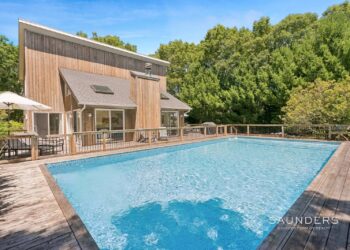
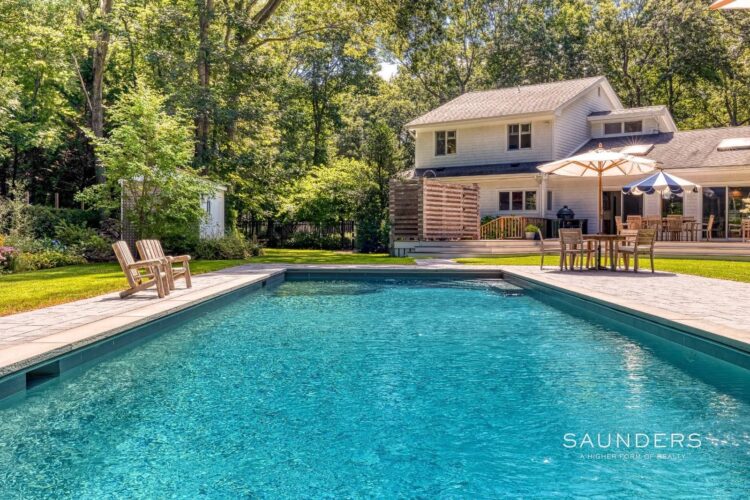
Light-filled estate on 1.56 private acres, recently upgraded with a finished lower level and boasting a heated pool. Easy luxury living awaits on 2,750 +/- sq. ft. of space with 4 bedrooms and 4 baths, plus a full floor renovation,...

Hayground School is proud to announce Masks Whisper Stories a vibrant, all-school exhibition featured in the Parrish Art Museum’s annual Student Exhibition. The show, an exemplification of Hayground students’ ingenuity, is now on view through April 26.
The Happening in the Hamptons Podcast by Saunders & Associates is a weekly discussion covering all things Hamptons — from...
Read moreDetailsIf you’re plugged into Hamptons real estate, you start to recognize new names. Then, at a certain point, you realize...
Read moreDetailsExperience an extraordinary summer in the Hamptons with this rare oceanfront rental on Mid Ocean Dr. Available from Memorial Day...
Read moreDetailsOver the past week, there were 19 Listings that went into contract from Westhampton to Montauk. Compared to this same week...
Read moreDetailsLocated within close proximity to five sandy beach areas, this cheery, sun-filled contemporary sited on .87 acres is turn-key. The...
Read moreDetailsThree houses offered as a package deal - this is the most unique, cash-positive property on the market! Don't miss...
Read moreDetails