Main Street
Westhampton






































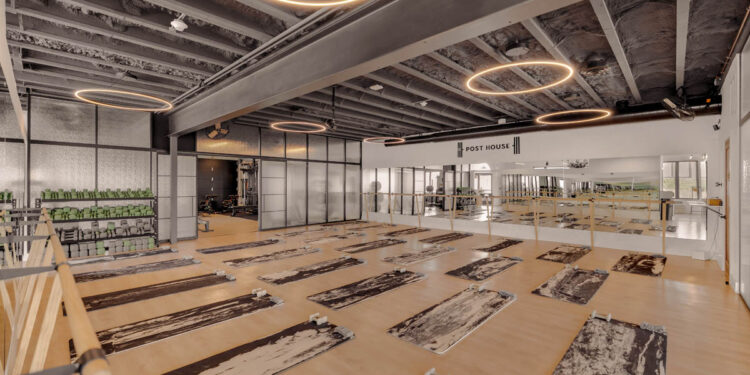
Post House, set at 31 Long Island Avenue in Sag Harbor, is redefining the fitness studio concept, blending high-performance training with the energy of a live experience. Co-founded by Geno McDermott, Emmy Award–winning producer, Post House brings a fresh perspective to the Hamptons wellness scene. Workouts are designed to feel as dynamic and engaging as the lifestyle that surrounds them.

Located at 127 Main Street, the boutique is bright, cheerful, and filled with the effortless summer style the brand is known for. The store carries both Hill House Home’s fashion and home collections, including the newest summer pieces that feel...

Kith and Vivrelle have collaborated on a summer pop-up in Bridgehampton, bringing together contemporary fashion and luxury accessory rentals in a single retail experience. Running now through Labor Day, the store showcases Kith Women’s latest seasonal collections while introducing shoppers...

This Friday night, Newtown Lane in East Hampton Village will be transformed into the ultimate Hamptons sports bar for Game 2 of the NBA Finals, as the New York Knicks seek to take a 2-0 series lead against the San...

Check out the top Hamptons events this weekend! From the Knicks watching party in East Hampton to the battle of the bands, which event are you excited for?

The Hamptons real estate market is heading into peak summer with real momentum. We are joined by Maria Markovic for a smart, honest conversation about building a long-term career in real estate. Maria shares how starting as an administrator gave...
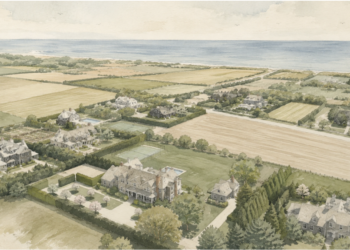
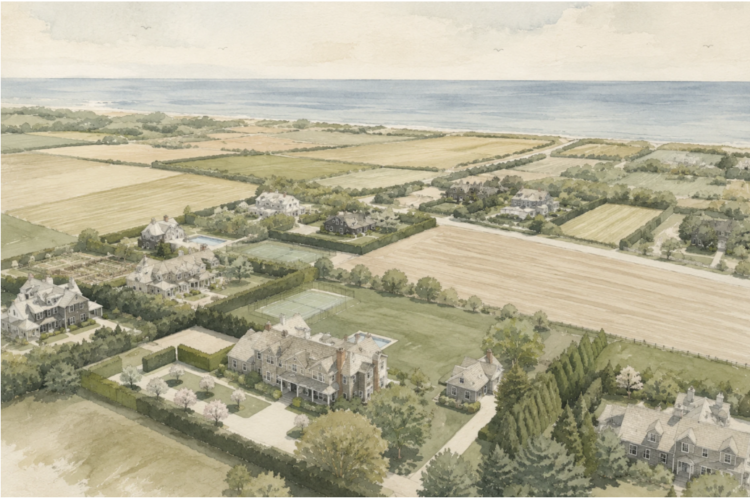
Sagaponack has become one of the wealthiest enclaves in America, and when you spend time there, it is easy to understand why. The scale of the properties, the privacy, the farm fields, and the ocean access create a combination that...

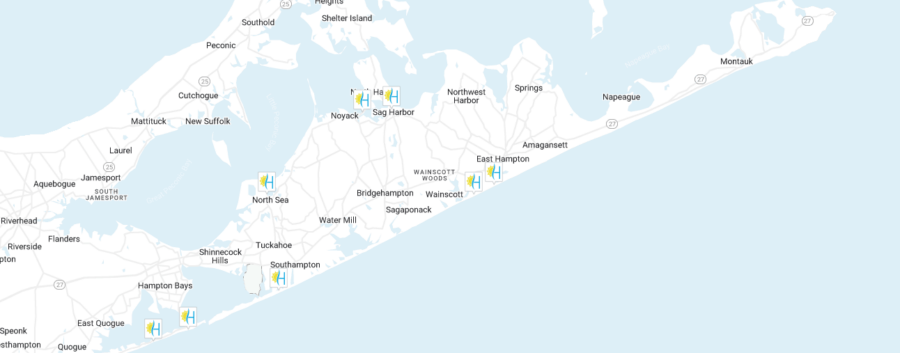
Over the past week, there were 31 Listings that went into contract from Westhampton to Montauk. Compared to this same week last year (2025), there were 24 Listings that went into contract. Which is a year over year INCREASE of...

HamptonsFilm announced that its annual SummerDocs series will return for its 18th edition in partnership with Guild Hall. This summer’s lineup will feature a selection of the year’s most anticipated documentary features from some of the industry’s leading storytellers.
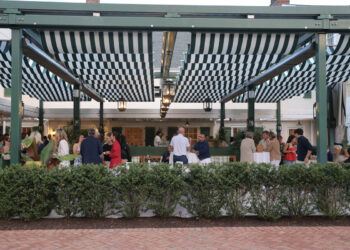
On Tuesday, May 19, Good Ground Tavern celebrated a special evening as it unveiled a new chapter in dining with the appointment of Michelin-starred Chef Mathew Woolf as Executive Chef of the historic Canoe Place Inn in Hampton Bays.

I sat down with Dean and Marilee Foster to discuss the rhythms of farming and distilling, the challenges of working with the land, the importance of preserving Sagaponack's agricultural heritage, and how thoughtful stewardship can help shape the future of...

Sticks & Stones Comedy Club owner Abby Russell is a third-generation Water Mill-based mother and business owner. Hamptons.com sat down with Abby to discuss Sticks & Stones Comedy Club, comedy out East, and her Hamptons favorites.

What began as a small healing arts center in East Hampton has grown into one of the most trusted names in holistic wellness. Founded on the belief that the body can heal itself, Naturopathica has built a reputation for blending...
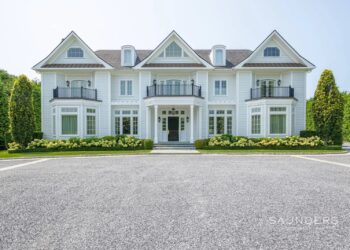
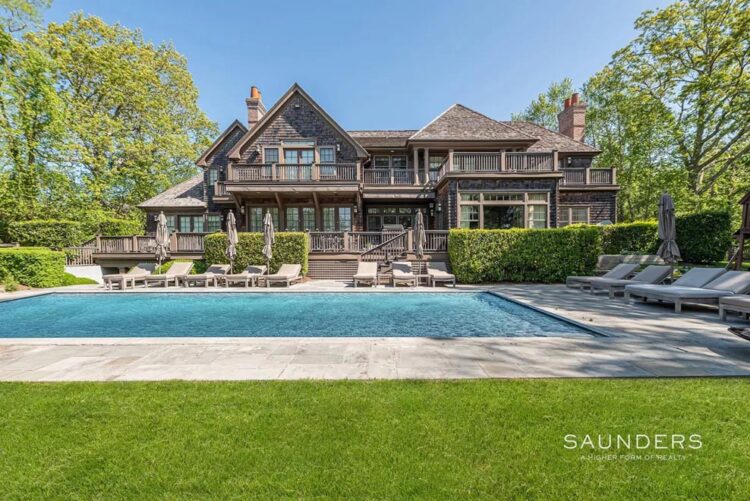
Well South of the Highway, the estate at 81 Meadowmere Place is a standard-bearer for Southampton sophistication and luxury living in the Hamptons. Impeccably maintained and ready for immediate enjoyment, the 4-story estate features 8 bedrooms, 9 full and 3...

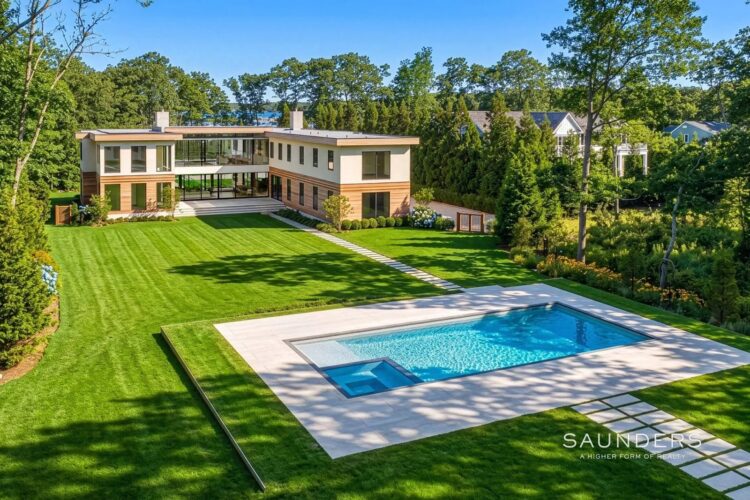
A newly built modern showpiece with sweeping bay and pond views, this North Haven estate offers rare privacy on 3.65 acres, less than a mile from Sag Harbor Village. The 8,960 +/- SF main residence spans 8 bedrooms and 8.5...
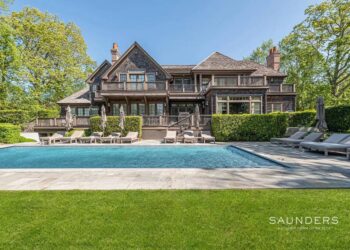
Immaculate house is offered for August rental. Spacious living areas and bedrooms, all en-suite, an open kitchen plan, high ceilings and south-facing with abundant natural light and beautiful furnishings, plus a finished lower level with a gym and media room,...

Everyone in the Hamptons is already talking about the 126th U.S. Open coming to Shinnecock Hills Golf Club in Southampton this June. Now, East Hampton Village has a fittingly stylish place to get in the spirit.

The Happening in the Hamptons Podcast by Saunders & Associates is a weekly discussion covering all things Hamptons — from local events to in-depth real estate market analysis. This week, Elliot Pegg and Vincent Horcasitas joined and discussed hard work,...

While the Hamptons may be better known for rosé and cocktails by the water, there’s a growing brewery scene that’s worth exploring. Across the South Fork, a handful of standout breweries are crafting locally inspired beers that capture the laid-back...
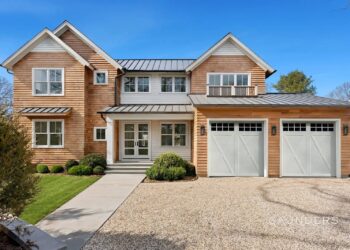
On Thursday, May 28, Gordon will host simultaneous open houses at 27 Guernsey Lane and 30 Guernsey Lane in Lion Head, one of East Hampton’s most desirable private beach communities. Both homes are exclusively represented by Gordon and available for...

The HUB kicked off its second summer season with a dazzling Disco Dreamland summer party. This past weekend, Co-Founders Michael Catalano and Toni DeMauro welcomed back local tastemakers to toast the second season of pop-ups and happenings à la HUB...
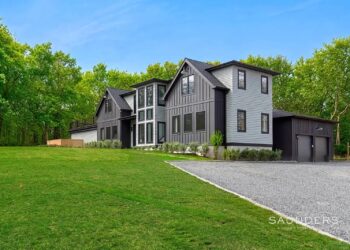
Over the past week, there were 23 Listings that went into contract from Westhampton to Montauk. Compared to this same week last year (2025), there were 24 Listings that went into contract. Which is a year over year DECREASE of...

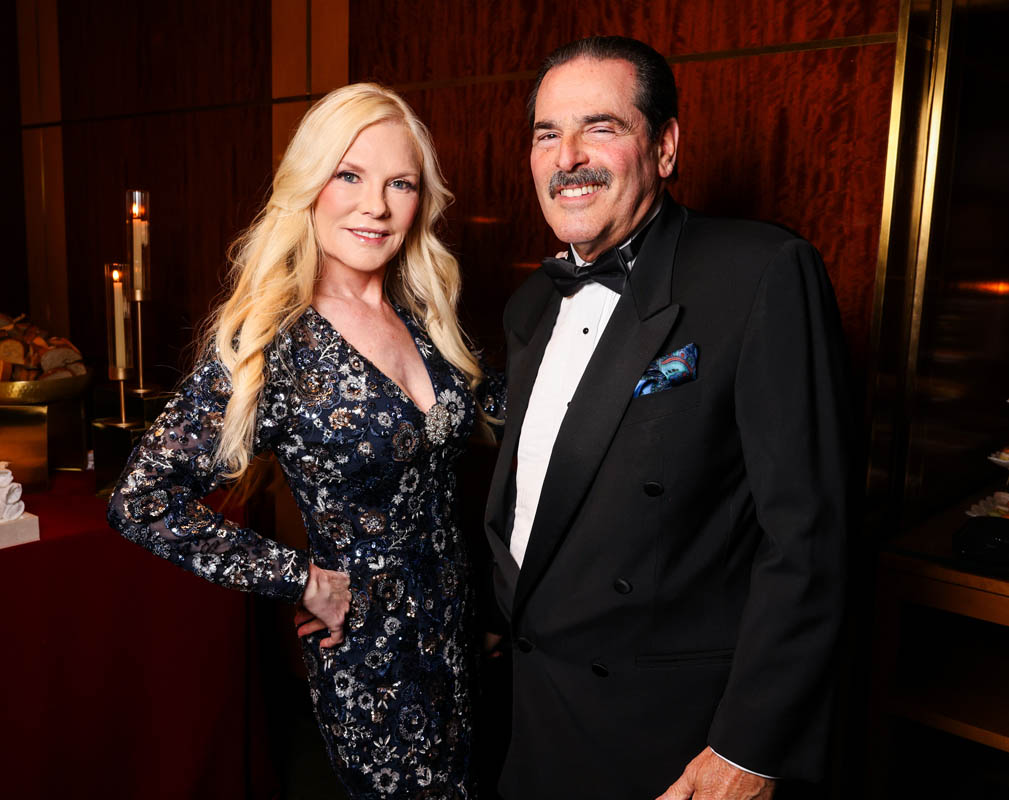
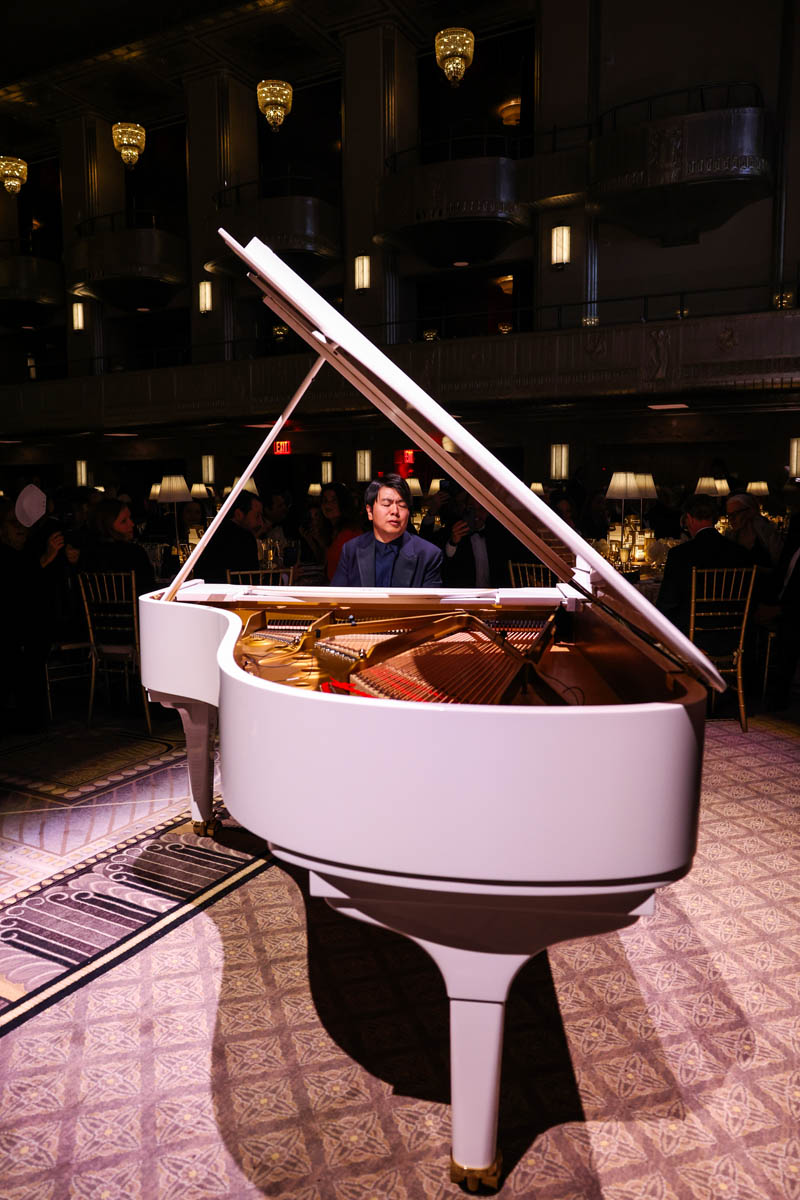
On Saturday, May 23rd, Southampton Arts Center's latest exhibition, "The Story of America: 1776-2026, A Celebration of Freedom and Independence," held its opening reception.
The Hamptons real estate market is heading into peak summer with real momentum. We are joined by Maria Markovic for...
Read moreDetailsSagaponack has become one of the wealthiest enclaves in America, and when you spend time there, it is easy to...
Read moreDetailsOver the past week, there were 31 Listings that went into contract from Westhampton to Montauk. Compared to this same...
Read moreDetailsWell South of the Highway, the estate at 81 Meadowmere Place is a standard-bearer for Southampton sophistication and luxury living...
Read moreDetailsA newly built modern showpiece with sweeping bay and pond views, this North Haven estate offers rare privacy on 3.65...
Read moreDetailsImmaculate house is offered for August rental. Spacious living areas and bedrooms, all en-suite, an open kitchen plan, high ceilings...
Read moreDetails