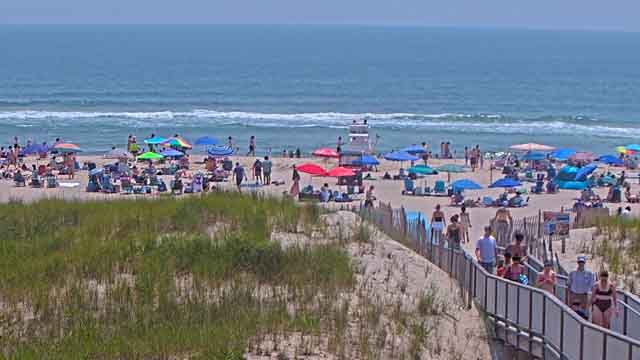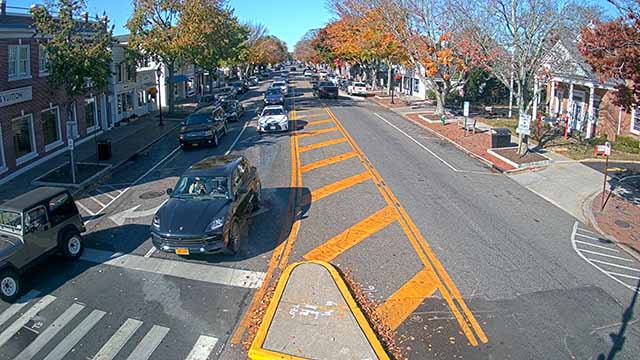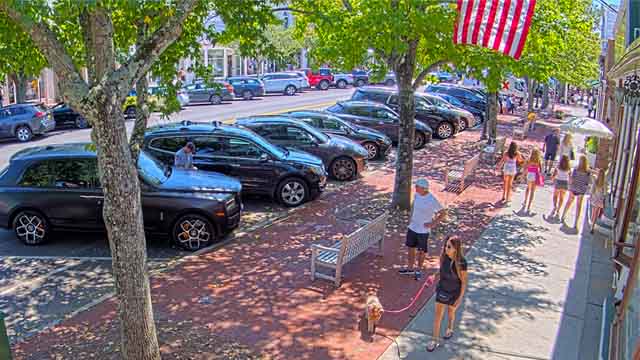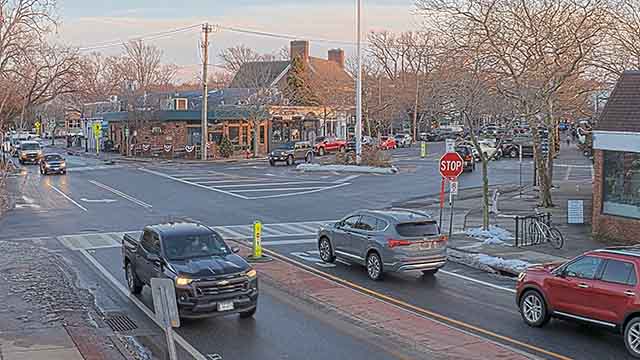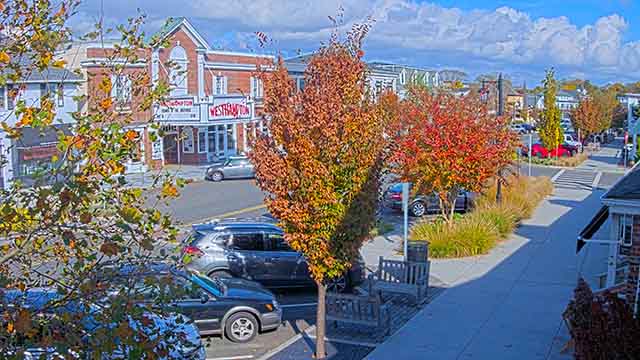
Main Street
Westhampton




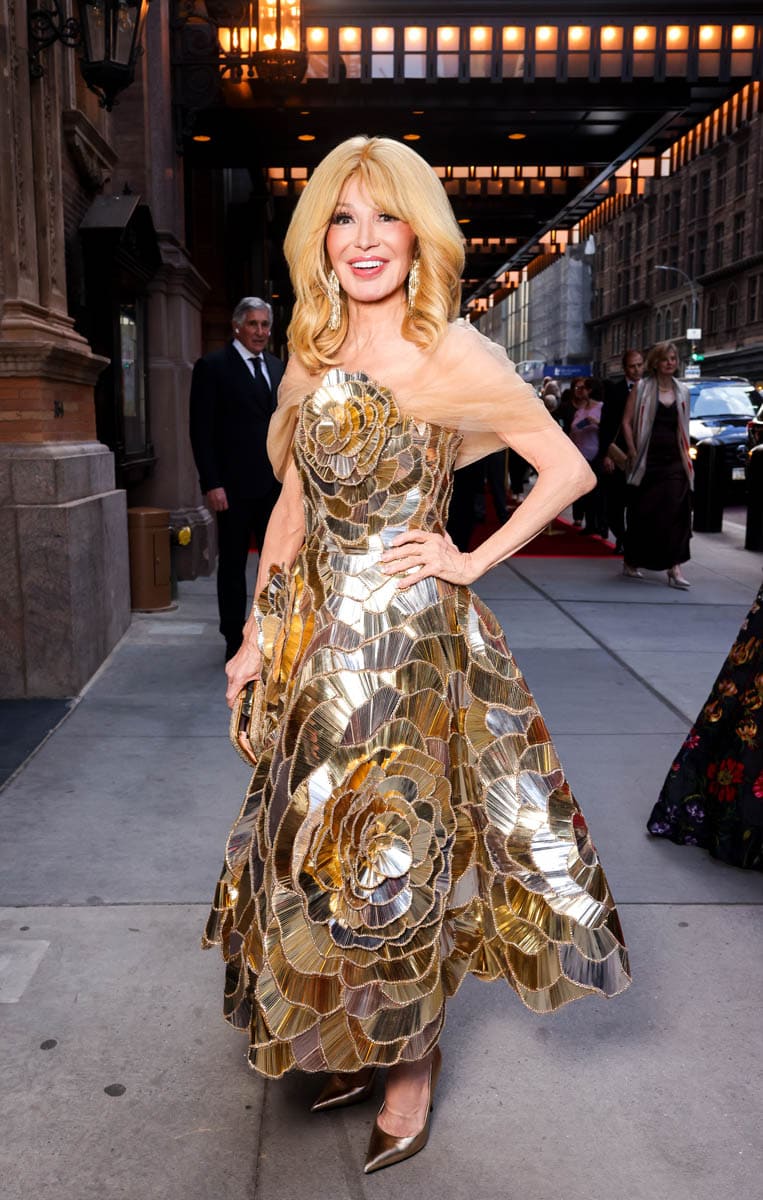


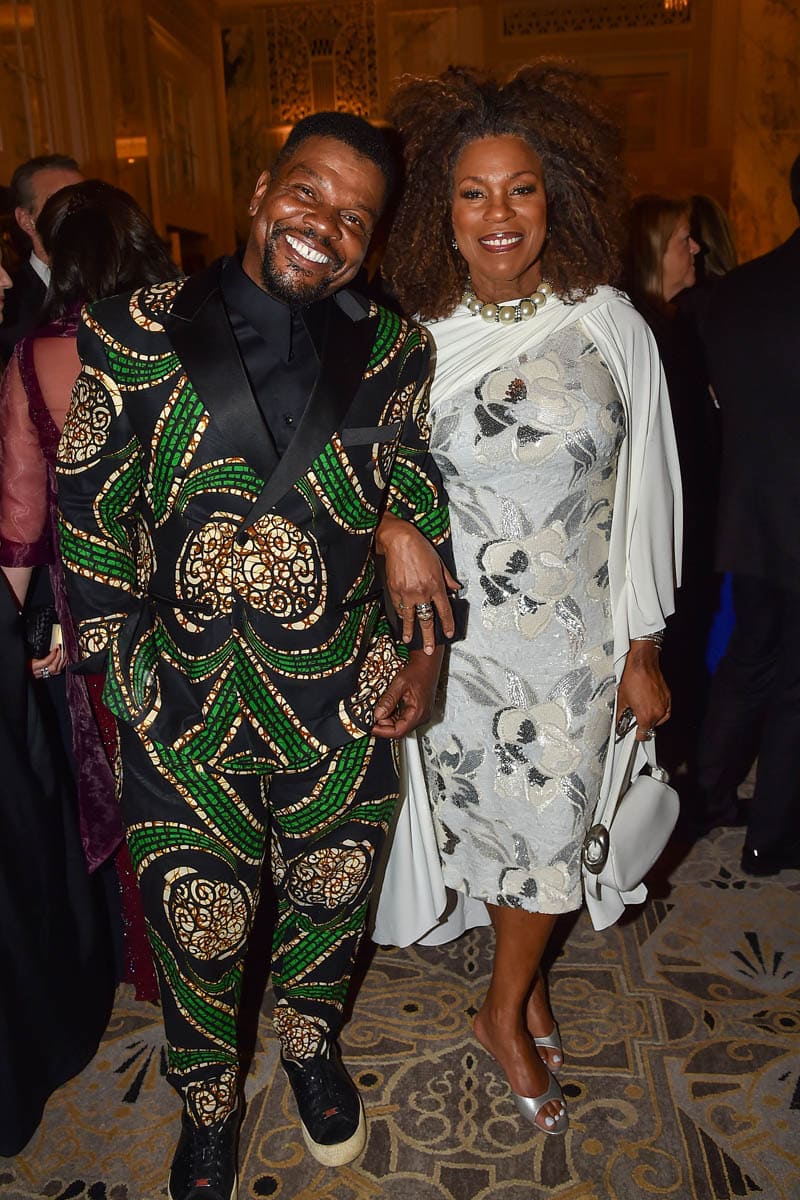
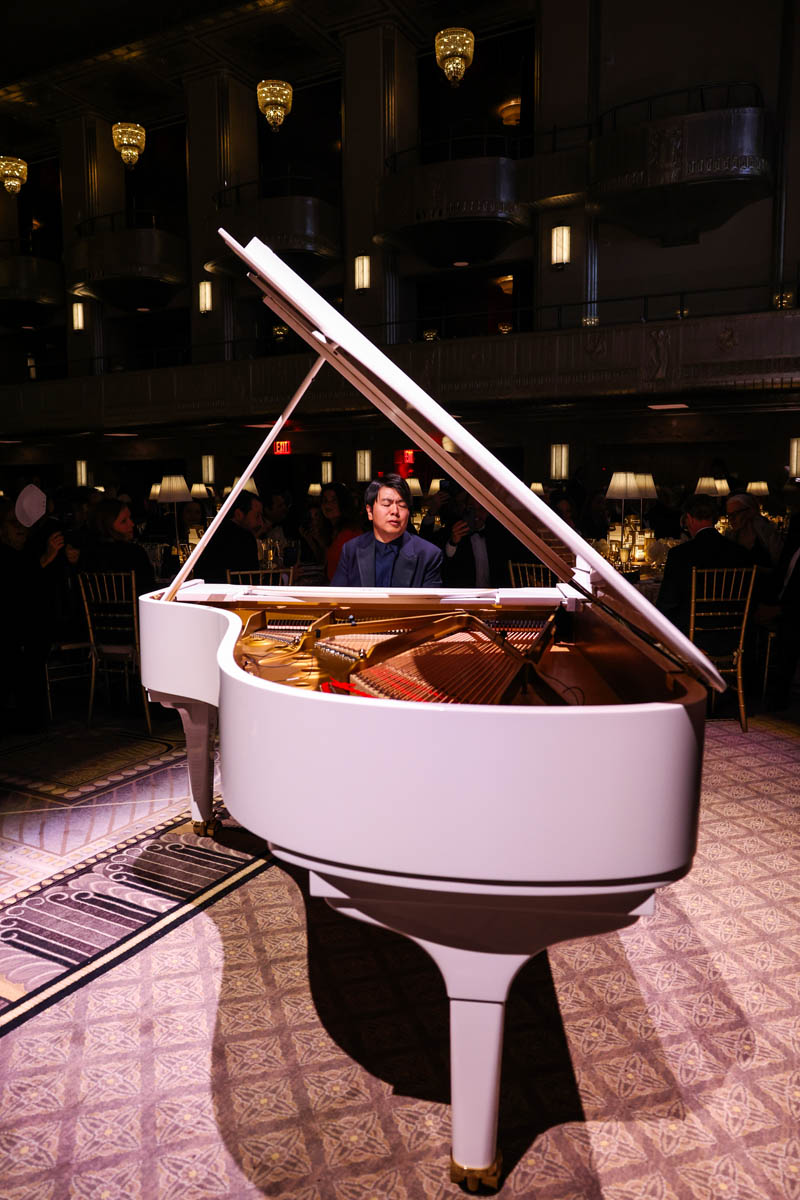
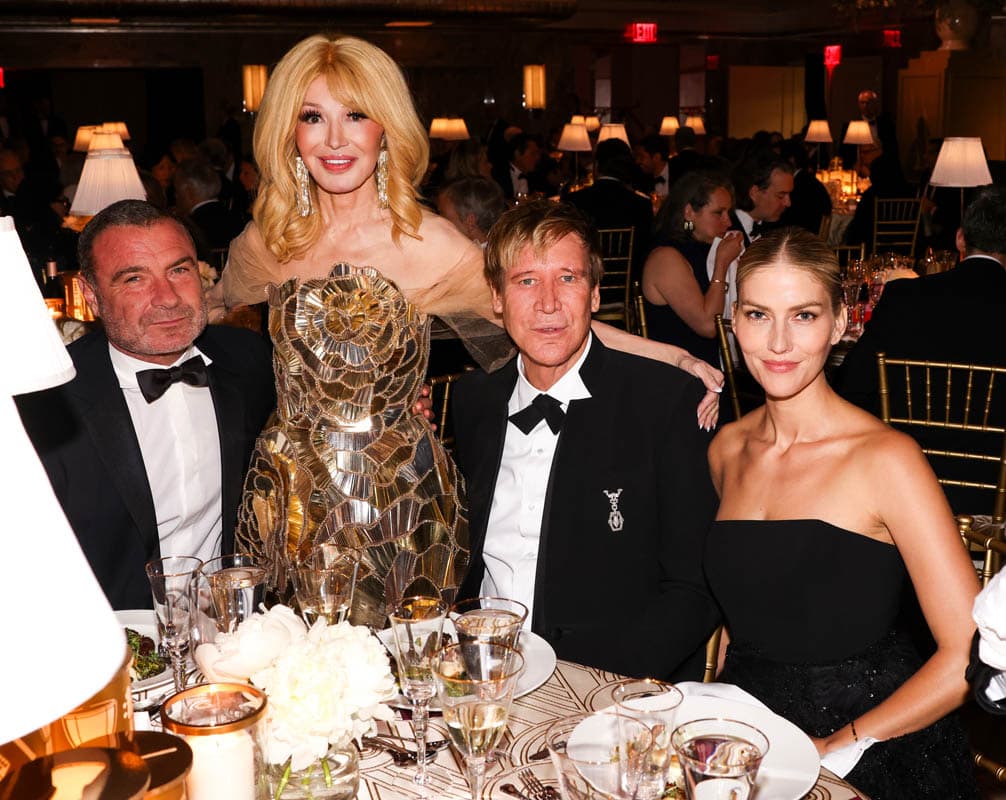



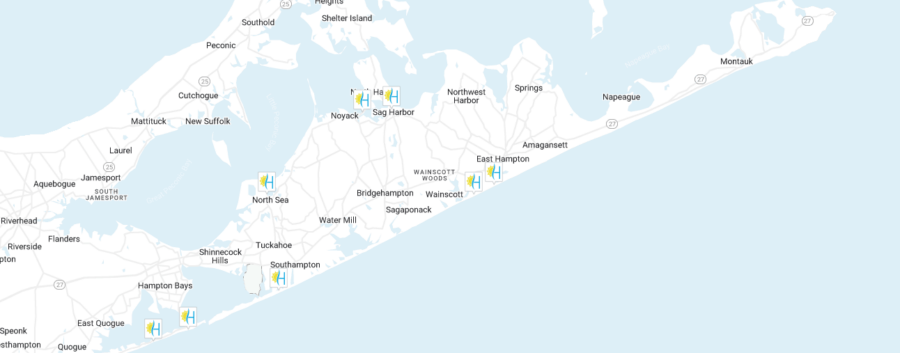





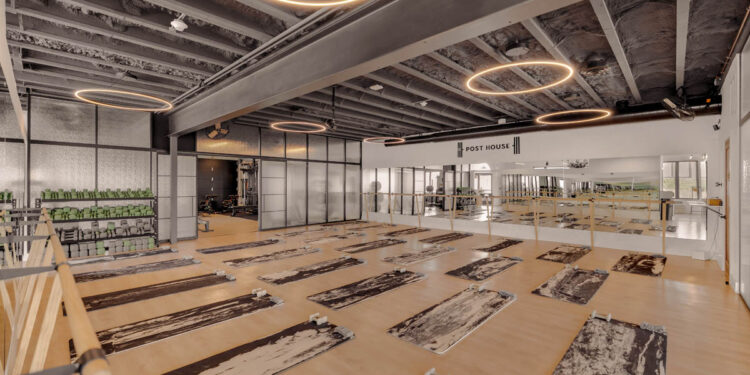
Post House, set at 31 Long Island Avenue in Sag Harbor, is redefining the fitness studio concept, blending high-performance training with the energy of a live experience. Co-founded by Geno McDermott, Emmy Award–winning producer, Post House brings a fresh perspective to the Hamptons wellness scene. Workouts are designed to feel as dynamic and engaging as the lifestyle that surrounds them.
At just 23, Julia-Rose Siegler is reimagining the way her generation experiences fragrance. After graduating from NYU and interning at some of the industry's most respected beauty brands, she launched Studio Rose — a “fragrance wardrobe” designed to celebrate every...

Celebrate the Fourth of July with a spectacular fireworks show in the Hamptons!

Stop by the Sag Harbor Farmers Market located at the corner of Bay St and Burke St every Saturday from 9am to 1pm, and purchase delicious local produce, flowers, and more!
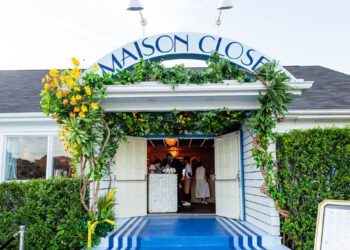
An intimate dinner, artful resort wear, and a very chic first look at one of Southampton’s most joyful new collaborations. Anticipation is always high when a new restaurant or bar arrives in Southampton, especially one promising French hospitality, resort-minded style,...
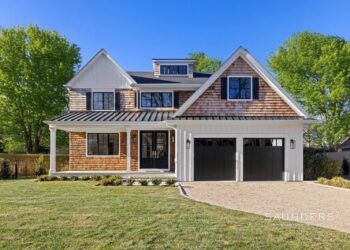
Over the past week, there were 30 Listings that went into contract from Westhampton to Montauk. Compared to this same week last year (2025), there were 32 Listings that went into contract. Which is a year over year DECREASE of 6%. This same...
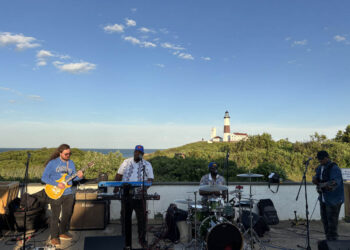
Looking for live music in Montauk this summer? Skip the usual suspects and check out these three local spots where great bands, waterfront views, and laid-back vibes take center stage.

LTV Studios(75 Industrial Road, Wainscott, NY) launched the "Hamptons Summer Songbook By The Sea" on Sunday, June 28th. Presented by Eleanor & Howard Morgan, Lynn & Bruce Surry, and Riki Kane Larimer.
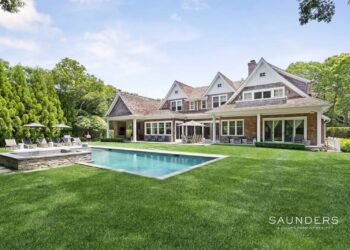
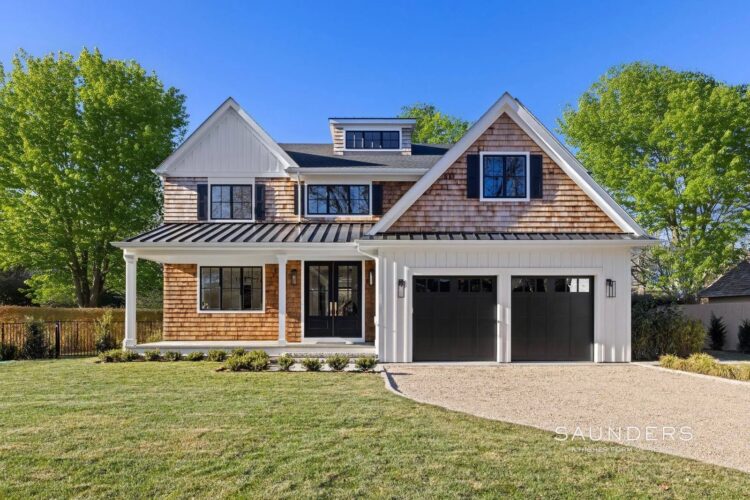
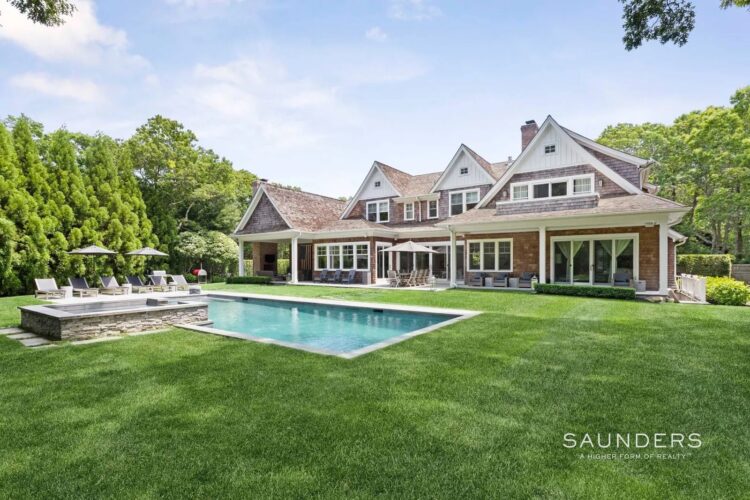
Enter through a dramatic double-height foyer into the refined living space of this six-bedroom, seven-and-a-half-bath home with 8,419+/- sq. ft. over three levels. Impeccably maintained with oak floors, detailed millwork, Marvin windows throughout, and fully integrated smart home technology, the...
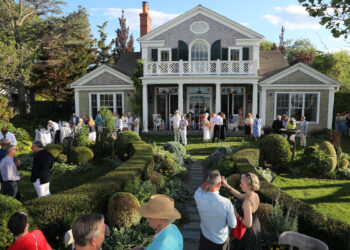
The East Hampton Historical Society held the annual Membership Party at the home of a renowned designer Marshall Watson overlooking Gardiner’s Bay on Saturday, June 20th. The event featured Executive Director Steve Long, who shared updates and accomplishments over the...
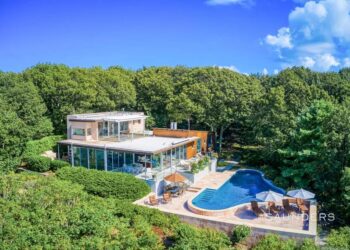
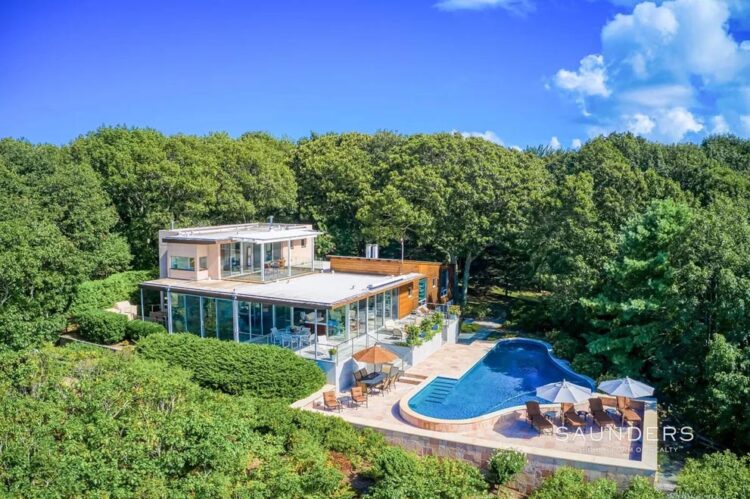
Built in 2002, "Treetops" is an AIA Archi Award-winning modern classic that boasts some of the most sweeping and unobstructed views on Eastern Long Island—stretching across the North Fork, Peconic Bay, Long Island Sound, and reaching to Connecticut.
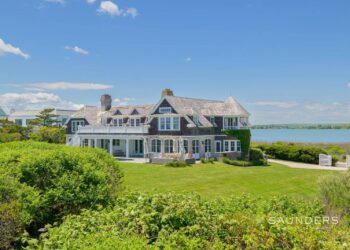
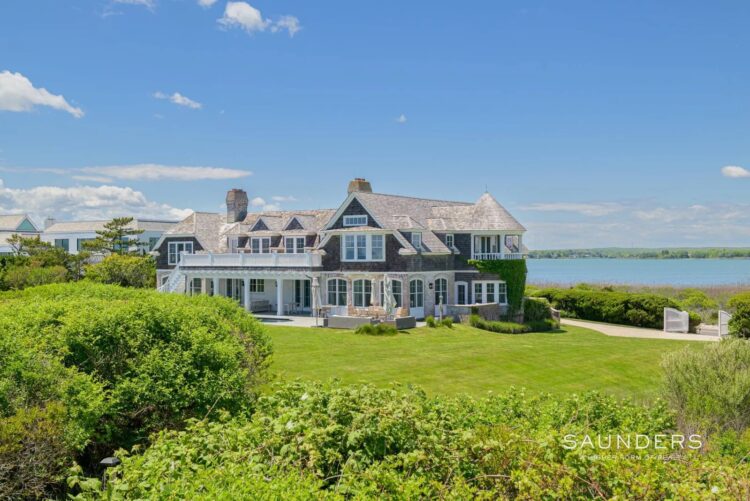
Enjoy summer living in this oceanfront home in Bridgehampton, set on 2.9 acres South of the Highway. The property offers expansive water views from most rooms, with direct access to both the ocean and Mecox Bay across the street. The...

Sure, hamburgers, hot dogs, and chicken are on the menu, but putting veggies, salads, and produce center stage will create a plant-forward feast that the whole family can enjoy.

For decades, Brooke Shields has remained one of fashion and entertainment’s most recognizable faces—from iconic fashion campaigns and unforgettable red carpet moments to defining generations of beauty and style. But beyond the flashbulbs, Shields has always been fueled by something...
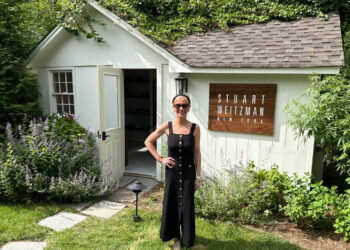
If you blinked while driving down Main Street in East Hampton this week, you might have missed it. Tucked behind a white-shingled cottage draped in ivy at The Maidstone Hotel, Stuart Weitzman quietly opened its first-ever Hamptons summer shopping installation,...
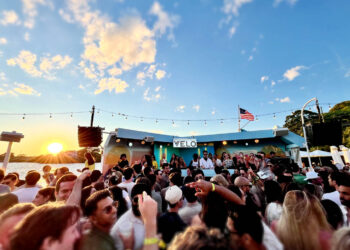
There are a few places in the Hamptons where you can feel the entire summer happening at once. But, standing on the deck at the Surf Lodge, sunlight and bass bouncing across the waters of Fort Pond in Montauk, the...

Hitting your daily protein goals doesn’t have to be complicated. The secret to feeling fuller, having balanced blood sugar, fewer cravings, and all-day energy starts with what’s on your plate in the morning and throughout the day. Here are some...
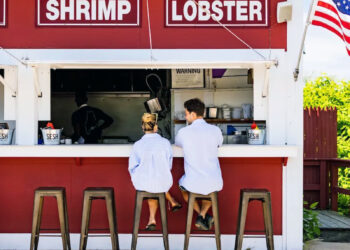
Don’t worry, the spark isn’t gone! From sunset beach walks to dressing up for a fun night out on the town, these simple resets for longtime couples can help bring back the excitement to a summer romance.

The Hamptons is no longer just an idyllic escape, it’s now a global art destination. Thanks to visionary leadership and immersive programming, these vital institutions are shaping the scene.

Whether its preppy collegiate looks or rugged Western flair, this timeless fashion trend is reinventing itself with flowy sundresses, crisp linen, and classic denim. All leading to a return to elegant simplicity.

With five generations of his family tied to Southampton, Mayor William Manger Jr. brings a lifelong love of the area, its history, and its small-town character to his role as mayor. Spotlight sits down with Manger to learn about his...

As the founder and designer of Bronx Banco, Natalie De’Banco has built a global luxury fashion brand known for its bold, glamorous designs. Here, we learn how she unwinds during a typical day in the Hamptons.

You may know Daisy Toye as the makeup artist to the stars—not to mention longtime client and friend Martha Stewart—but she’s now on the verge of having her own main character moment as she joins the cast of Season 16...
Over the past week, there were 30 Listings that went into contract from Westhampton to Montauk. Compared to this same week...
Read moreDetailsEnter through a dramatic double-height foyer into the refined living space of this six-bedroom, seven-and-a-half-bath home with 8,419+/- sq. ft....
Read moreDetailsBuilt in 2002, "Treetops" is an AIA Archi Award-winning modern classic that boasts some of the most sweeping and unobstructed...
Read moreDetailsEnjoy summer living in this oceanfront home in Bridgehampton, set on 2.9 acres South of the Highway. The property offers...
Read moreDetailsWhen I saw Rod Cummings listed 112 Meeting House in Westhampton Beach two weeks ago, I was excited to write about...
Read moreDetailsThe Happening in the Hamptons Podcast by Saunders & Associates is a weekly discussion covering all things Hamptons — from...
Read moreDetails