Main Street
Westhampton


































At just 23, Julia-Rose Siegler is reimagining the way her generation experiences fragrance. After graduating from NYU and interning at some of the industry's most respected beauty brands, she launched Studio Rose — a “fragrance wardrobe” designed to celebrate every moment of the day. Having spent summers in the Hamptons since she was a little girl, Siegler spoke with Hamptons.com about building her brand, creating fragrances for every occasion, and finding inspiration Out East.
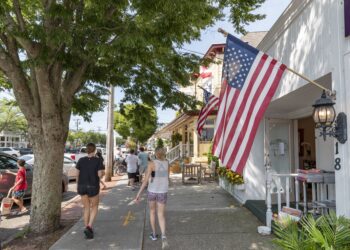
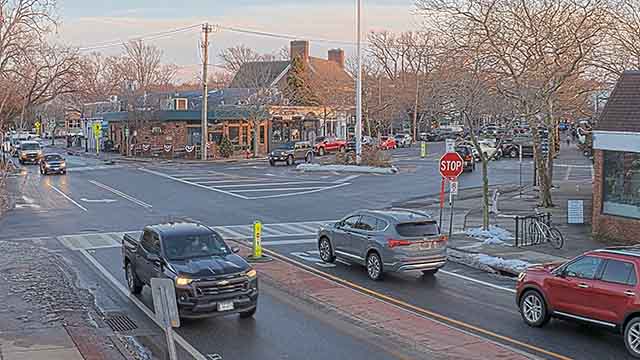
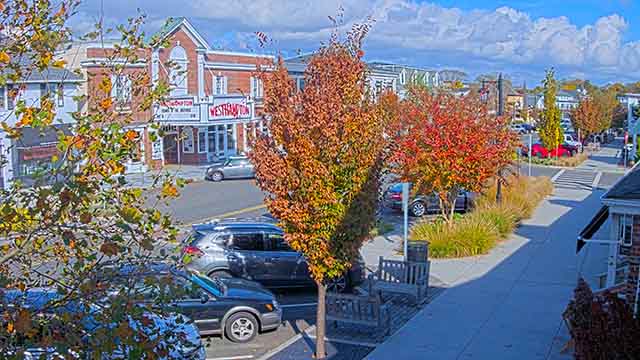
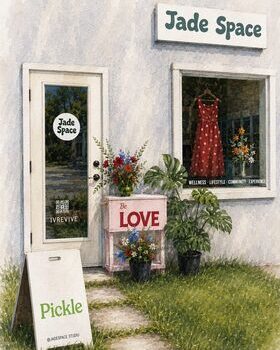
The quaint, charming, and walkable town of Westhampton Beach offers a shopping scene that blends coastal style with curated sophistication. Along Main Street and its surrounding pockets, you’ll find a mix of locally owned boutiques, specialty shops, and go-to stops that reflect...

After more than 4 summers in the Hamptons, of course, Adriana Castro is at Home in the Hamptons. Chez Adriana Castro, an immersive high-fashion Hamptons residency at Capri Southampton, created with interior designer Bea Pernía of Bea Interiors Design. Open...

Whether you receive Dria Murphy's iconic newsletters or catch her segments on the Today Show, she is the wellness curator. Dria welcomed founders, editors, creatives, and premium members of the by dria community for a day of connection, movement, beauty,...
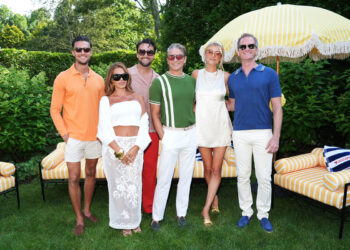
On Saturday, July 11, God’s Love We Deliver (GLWD), NYC’s premier provider of medically tailored meals and nutrition education and counseling for individuals affected by serious illness, held its 25th annual Midsummer Night Drinks event at the East Hampton home...
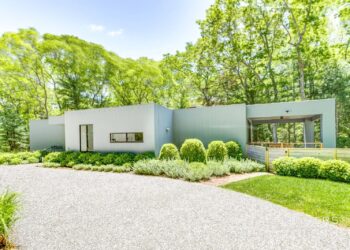
Over the past week, there were 21 Listings that went into contract from Westhampton to Montauk. Compared to this same week last year (2025), there were 20 Listings that went into contract. Which is a year over year INCREASE of 5%. This same...
Sant Ambroeus has become one of the East End's most beloved dining destinations. The restaurant has style, serves gelato and espresso at any time of day, offers fun outdoor seating, and delivers a world-class dining experience.

Efforts like The Baker Farm Reserve Cookie Pop-up capture the Hamptons at its most local, generous, and inviting. Set against an unbelievable backdrop during the season's busiest stretch, it transforms a simple pleasure into something joyful and deeply rooted in...

For Steven Zellman, getting to Hole No. 3 at Shinnecock Hills was more than a casual stroll across a golf course. It was, in his words and by any reasonable East End measurement, “a schlep” to reach his volunteer post.

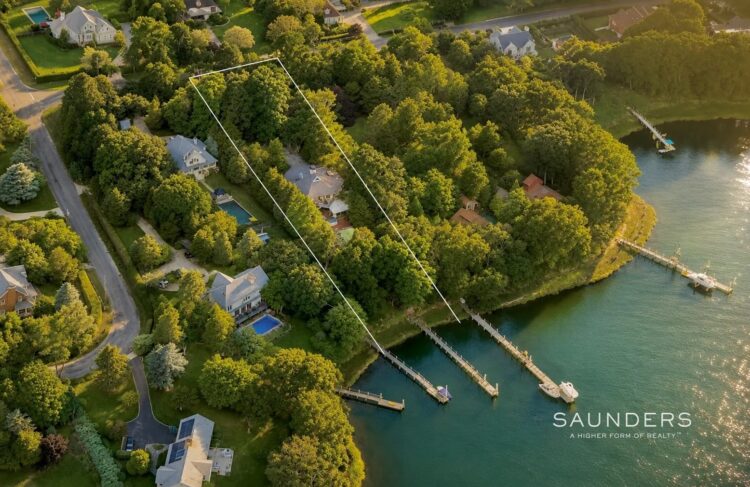
Few places are better suited to an octagonal home than Shelter Island, particularly at 15 Dickerson Drive on Menantic Creek. Every viewpoint reaches outward toward the landscape, framing the water and sky, while the interiors turn inward, creating a warm,...
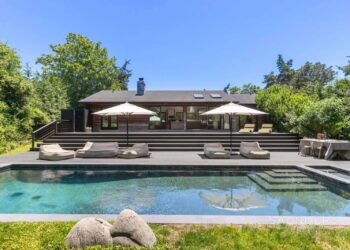
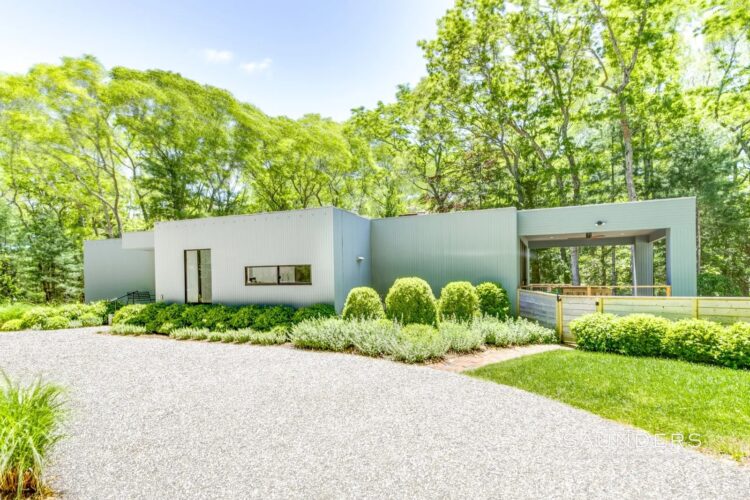
Discover a private Hamptons sanctuary where modern luxury meets coastal serenity. Hidden behind electronic gates and surrounded by lush, thoughtfully curated gardens, this fully renovated retreat offers a rare sense of peace just moments from the heart of Sag Harbor...
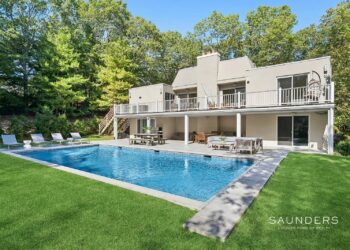
Tucked behind a dramatic gated entry in one of East Hampton's most central and desirable locations, this impeccably renovated 3,000 +/- SF home offers 4 bedrooms and 5 baths, blending modern luxury with classic Hamptons charm. Redesigned in 2021 and...
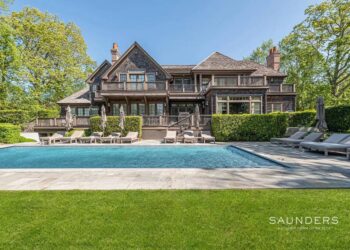
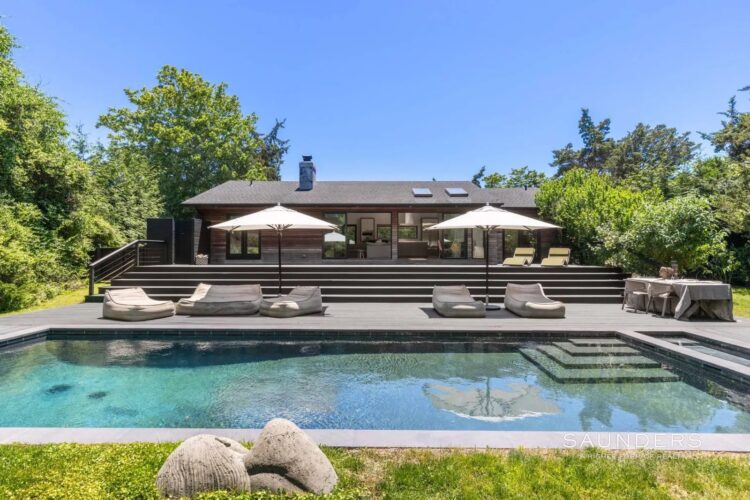
Immaculate house is offered for August rental. Spacious living areas and bedrooms, all en-suite, an open kitchen plan, high ceilings and south-facing with abundant natural light and beautiful furnishings, plus a finished lower level with a gym and media room,...

Last week, Rebecca Minkoff, alongside RummiKlubLA founders Laura Galvan and Marnie Wekselblatt, celebrated the launch of their first collaboration, a limited-edition blue terrycloth RummiKlubLA game set, with a Hamptons-style game day at the picturesque Maidstone Inn in East Hampton.
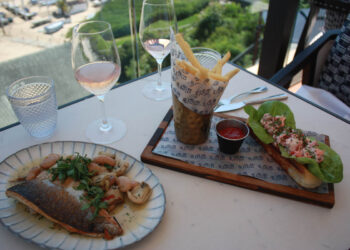
Located on the oceanfront at Gurney's Montauk Resort & Seawater Spa, Gigi's is the resort's newest dining concept, bringing a fresh take on coastal cuisine to one of Montauk's most famous properties Although Gigi's debuted last August, Director of Operations...
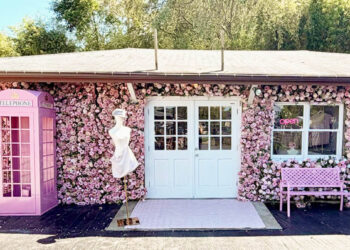
There is big news from Kidd Squid Brewing Co. this week. They have expanded next door into the space that was the village garden center, and what they've done with it is exactly the kind of thing that makes Sag...

Back by popular demand, Dolce & Gabbana has returned to Gurney's Montauk Resort & Seawater Spa for the summer. Through Sept. 26, guests can shop the luxury fashion house's seasonal pop-up boutique, featuring everything from colorful Summer 26 ready-to-wear pieces...

Check out the top Hamptons events this weekend! From the Hamptons Greek Festival to CMEE's Family Fair, which event are you excited for?
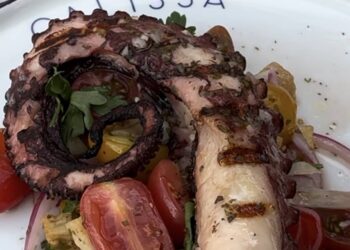
Calissa in Water Mill is one of those spots you see all the time while driving on 27 and wonder about. The place runs like a jet engine. You arrive to complimentary valet parking, amazing front-of-house staff, and peer into...
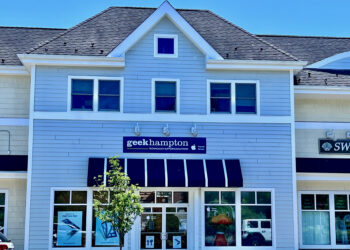
I’m writing this on a computer I got from GeekHampton, and geewhiz, it rocks. If you live in the Hamptons, you know how important it is to have real, trusted local businesses. That brand activation won’t help if my computer...

The Happening in the Hamptons Podcast by Saunders & Associates is a weekly discussion covering all things Hamptons — from local events to in-depth real estate market analysis. This week, the Oakley-Leicht Team discussed the new wave of buyers in The Hamptons.
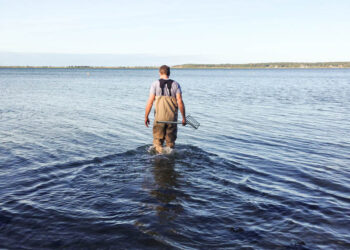
A long-time champion of land conservation and sustainability on the East End, Saunders agent Krae Van Sickle’s green advocacy runs deep. From his early exposure to environmental thinking from a life science teacher mother to traveling to Albany in the...

The 6th Annual East Hampton Emergency Department Luncheon returned to the historic Maidstone Club in East Hampton for a conversation on women's health featuring internationally renowned model and Every Mother Counts Founder and President Christy Turlington Burns, moderated by award-winning...
Over the past week, there were 21 Listings that went into contract from Westhampton to Montauk. Compared to this same week...
Read moreDetailsFor Steven Zellman, getting to Hole No. 3 at Shinnecock Hills was more than a casual stroll across a golf...
Read moreDetailsFew places are better suited to an octagonal home than Shelter Island, particularly at 15 Dickerson Drive on Menantic Creek....
Read moreDetailsDiscover a private Hamptons sanctuary where modern luxury meets coastal serenity. Hidden behind electronic gates and surrounded by lush, thoughtfully...
Read moreDetailsTucked behind a dramatic gated entry in one of East Hampton's most central and desirable locations, this impeccably renovated 3,000...
Read moreDetailsImmaculate house is offered for August rental. Spacious living areas and bedrooms, all en-suite, an open kitchen plan, high ceilings...
Read moreDetails