Main Street
Westhampton
















Empire of the Atlantic is a breathtaking taste of what everyone loves about the magic of the waters off the East End, specifically Montauk. Jeff Ragovin, Founder and CEO of Ragovin Ventures, is the executive producer through Bounty Uncharted Productions and assembled a team to bring the project to fruition.
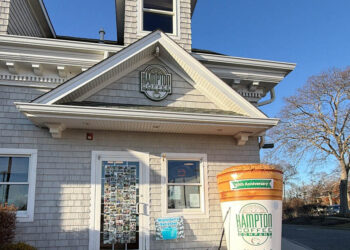
With great fanfare, Hampton Coffee Company's second-ever location on Mill Road in Westhampton Beach recently celebrated its 20th Anniversary! The espresso bar & café opened next to what was then Bridgehampton National Bank's newest branch location in January, 2006. Co-owners...

Check out the top Hamptons events this weekend of May 1st, 2026. Get a new outfit at A.L.C.'s shopping event or attend a comedy show!
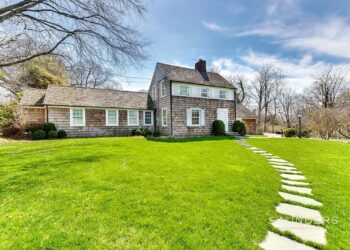
For the renter seeking the soul of a private home with the ease and sophistication of a luxury boutique stay, 5 Hook Pond Lane in East Hampton Village offers a compelling Summer 2026 rental opportunity.

Wags & Walks Hamptons returns for its 4th year with an ambitious goal to rescue 100 dogs through its Pup-Up adoption program. The summer programming will bring adoptable rescue dogs into the community through local events, foster opportunities, and partnerships across...

The Arts Center at Duck Creek will present Residual Light, a collaborative group exhibition that brings together female artists that work with alternative process and camera-less photography. The exhibition opens May 9 and will remain on display through June 14,...
Over the past week, there were 28 Listings that went into contract from Westhampton to Montauk. Compared to this same week last year (2025), there were 25 Listings that went into contract. Which is a year over year INCREASE of 12%.

The Westhampton Rotary Club will present a comedy “fun”-draiser, “We All Need A Laugh,” on Saturday, May 2, 2026, at 8 p.m. at the Westhampton Beach Performing Arts Center. The night of comedy will star five top comedians from The...
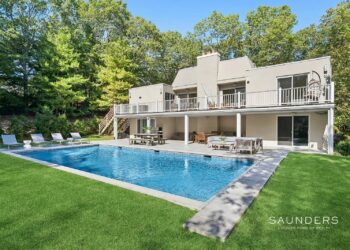
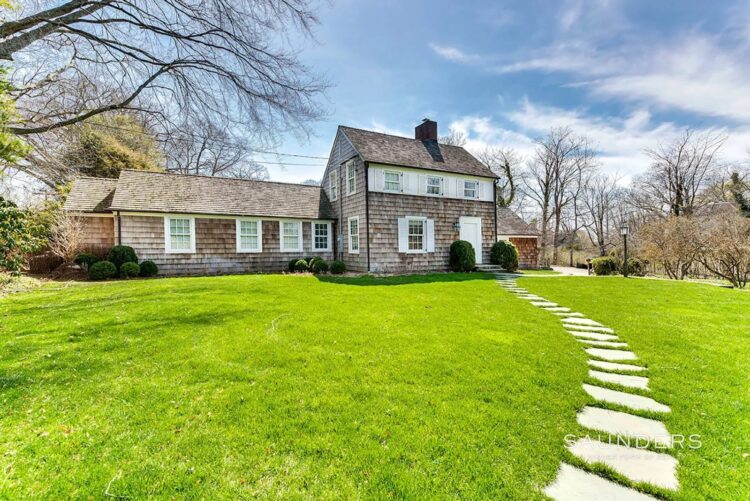
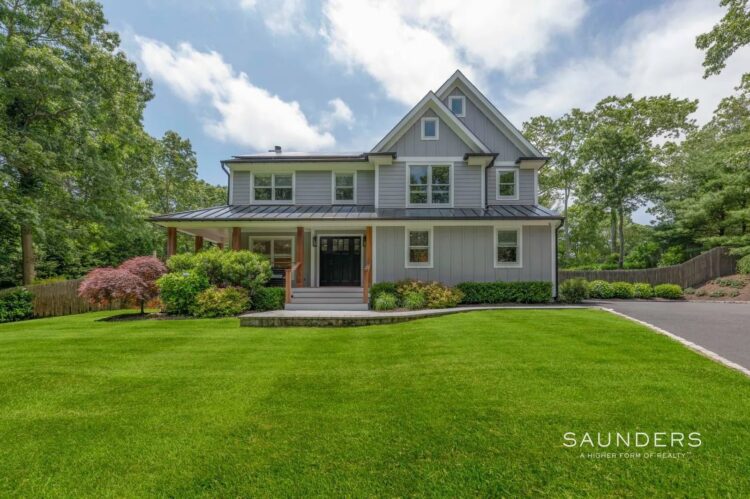
Tucked behind a dramatic gated entry in one of East Hampton's most central and desirable locations, this impeccably renovated 3,000 +/- SF home offers 4 bedrooms and 5 baths, blending modern luxury with classic Hamptons charm. Redesigned in 2021 and...

Mother’s Day and Father’s Day have a way of sharpening our sense of time. As adults, honoring our parents starts to feel less like a routine gesture and more like a real act of attention. Yes, a phone call matters....
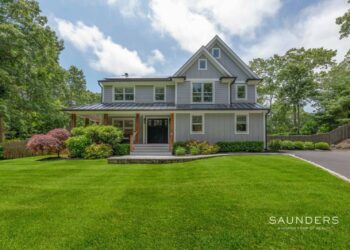
This home delivers on location, value, and luxury aesthetics. Sellers are open to selling fully furnished - with a stellar rental record - this home won't disappoint as a vacation retreat, rental investment, or primary residence.

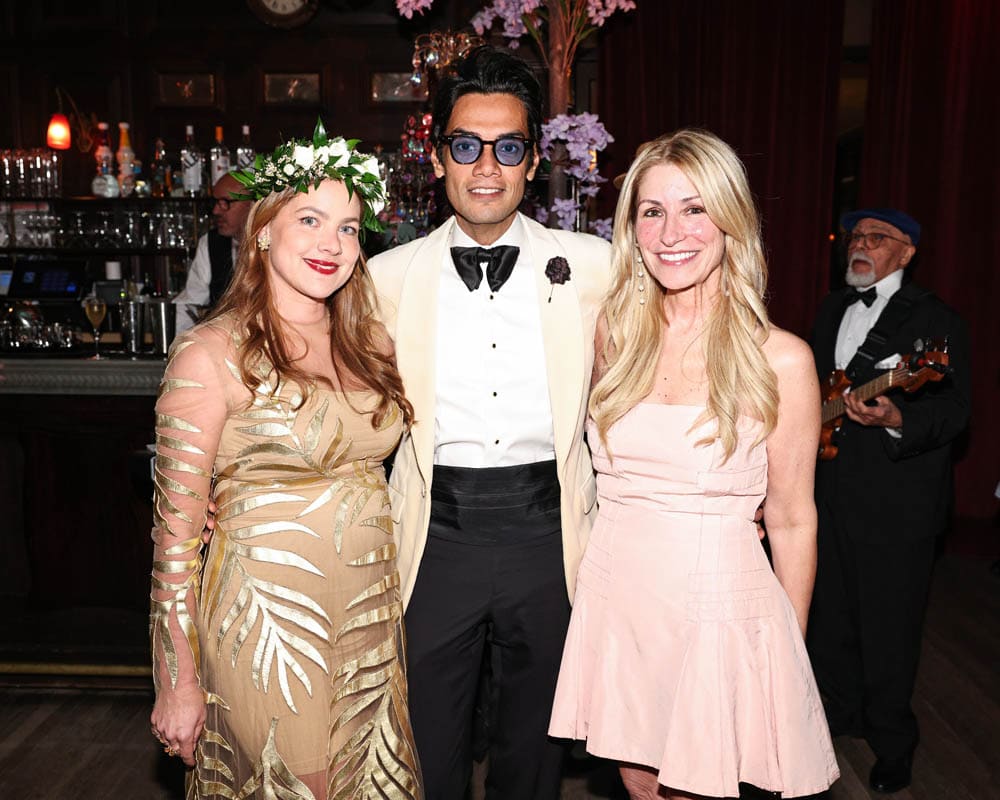
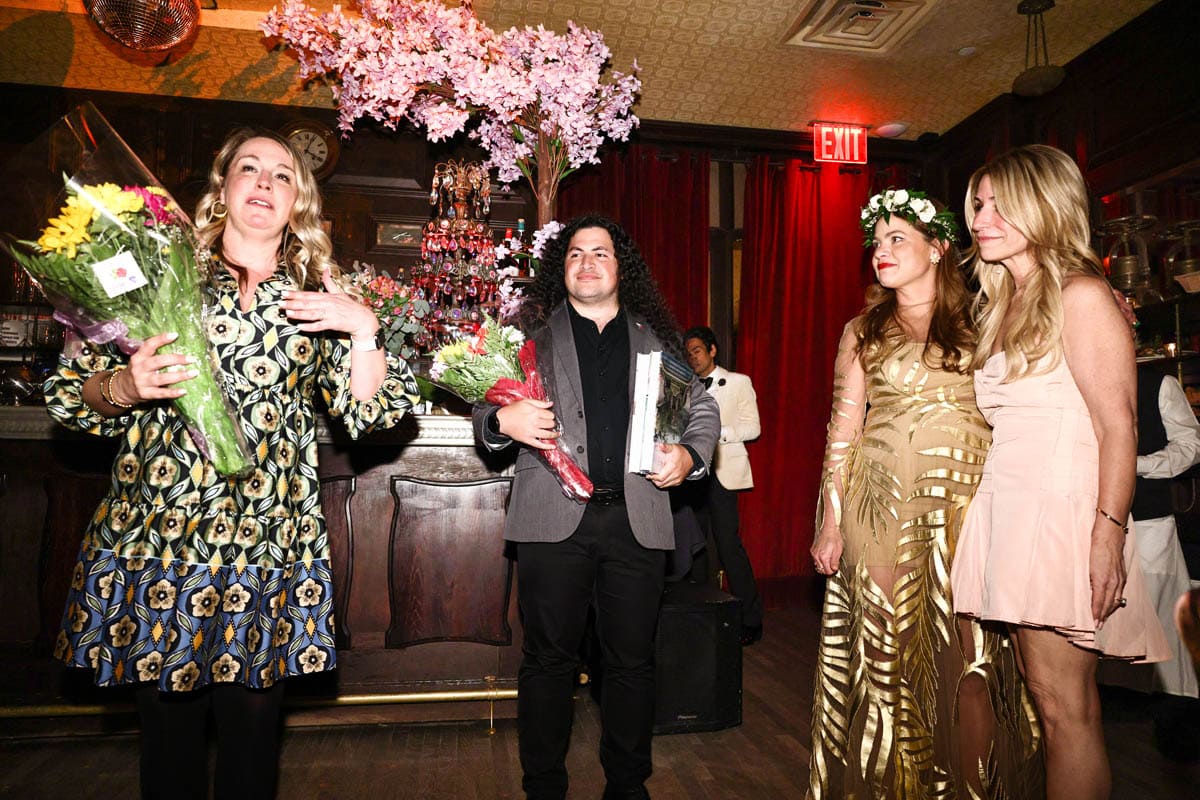
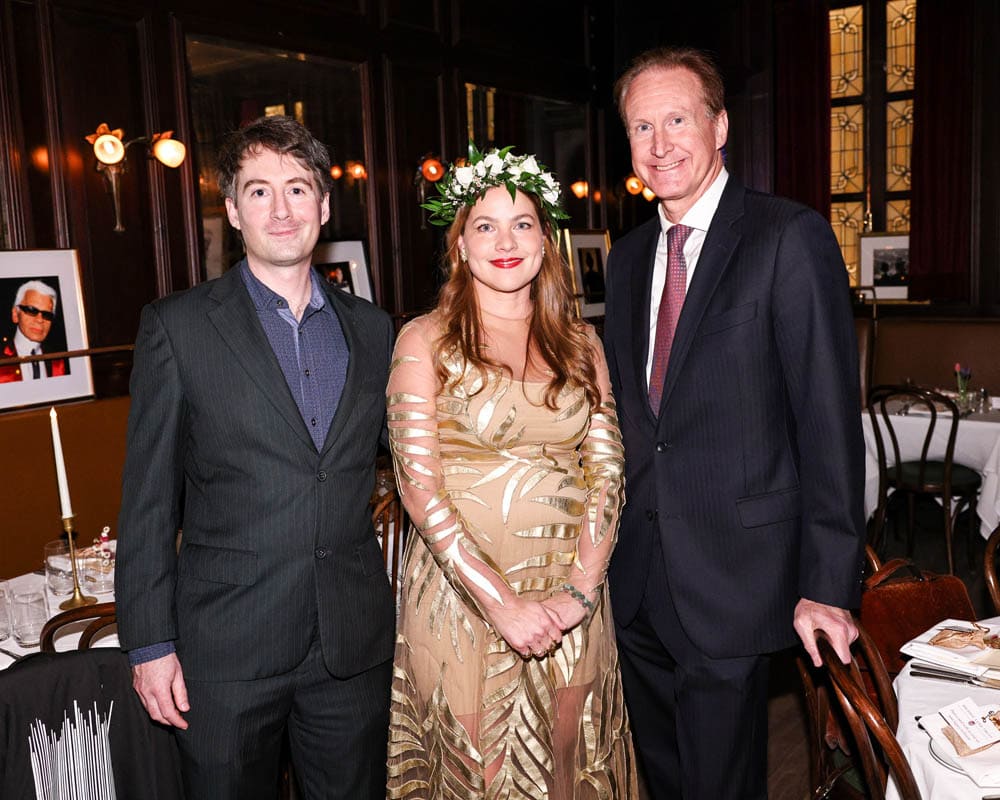
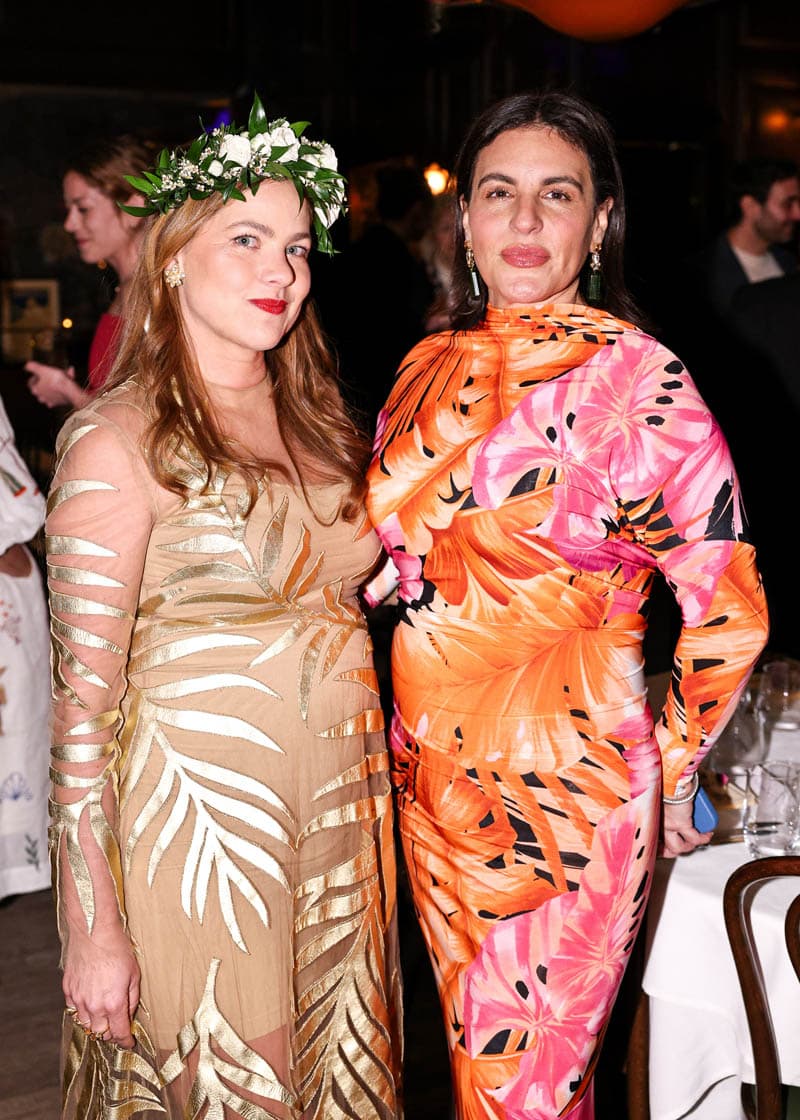
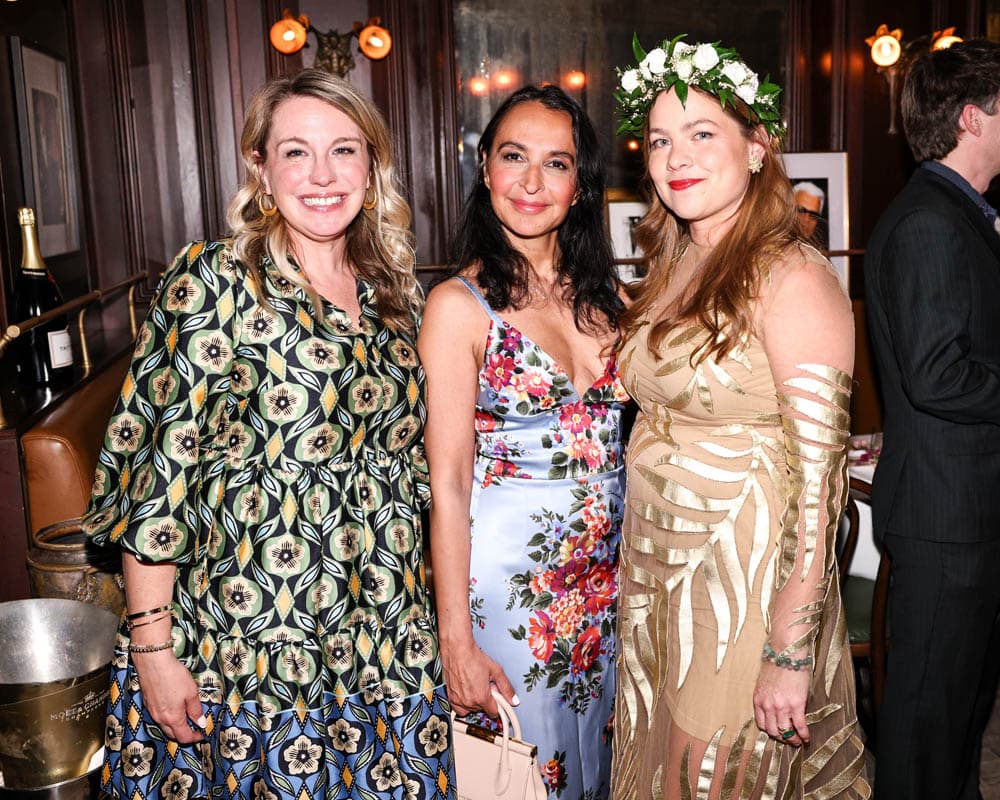
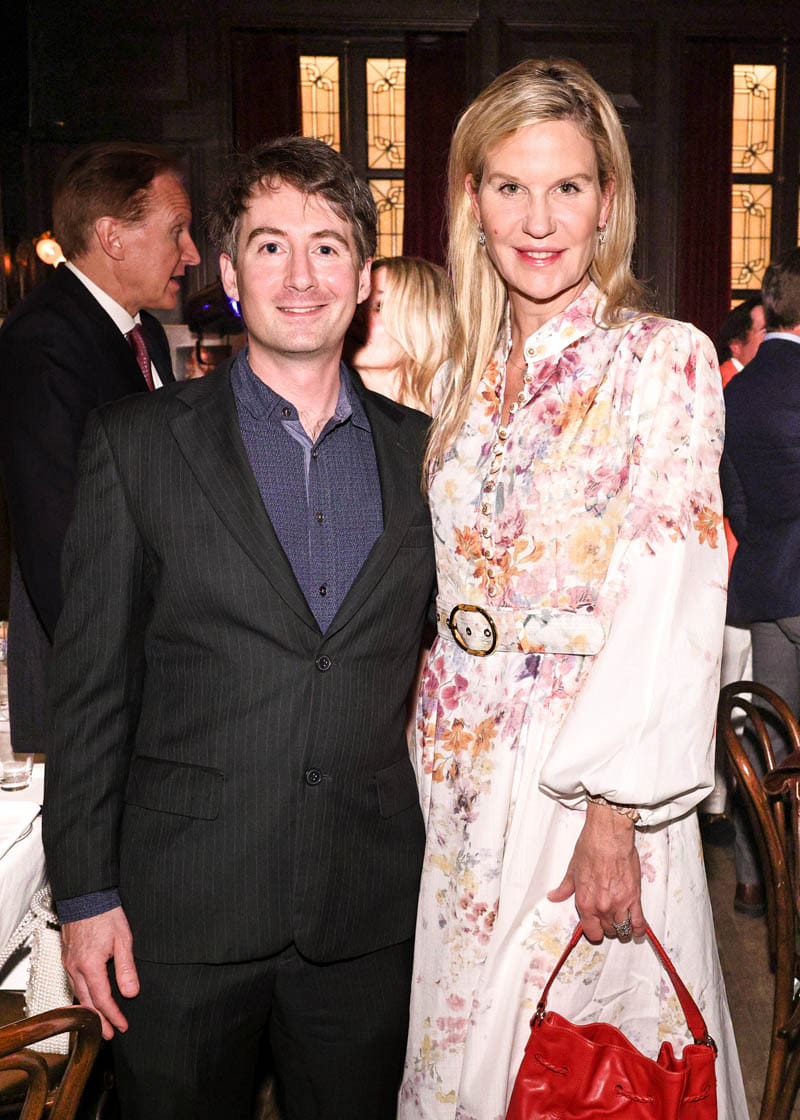
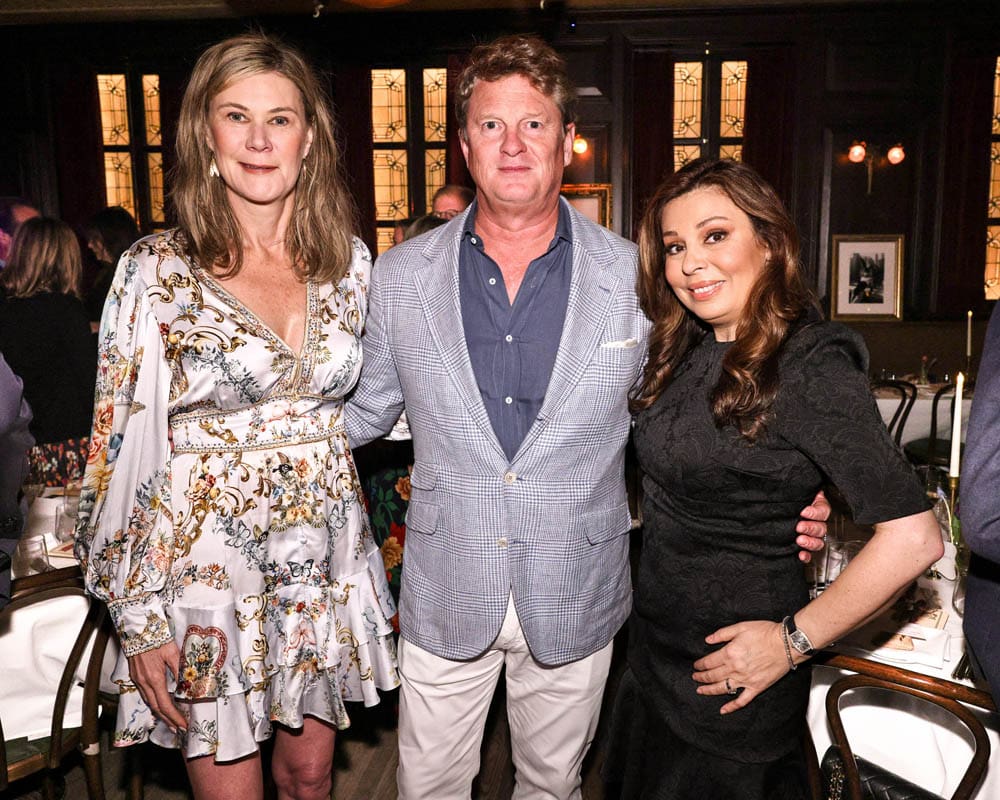
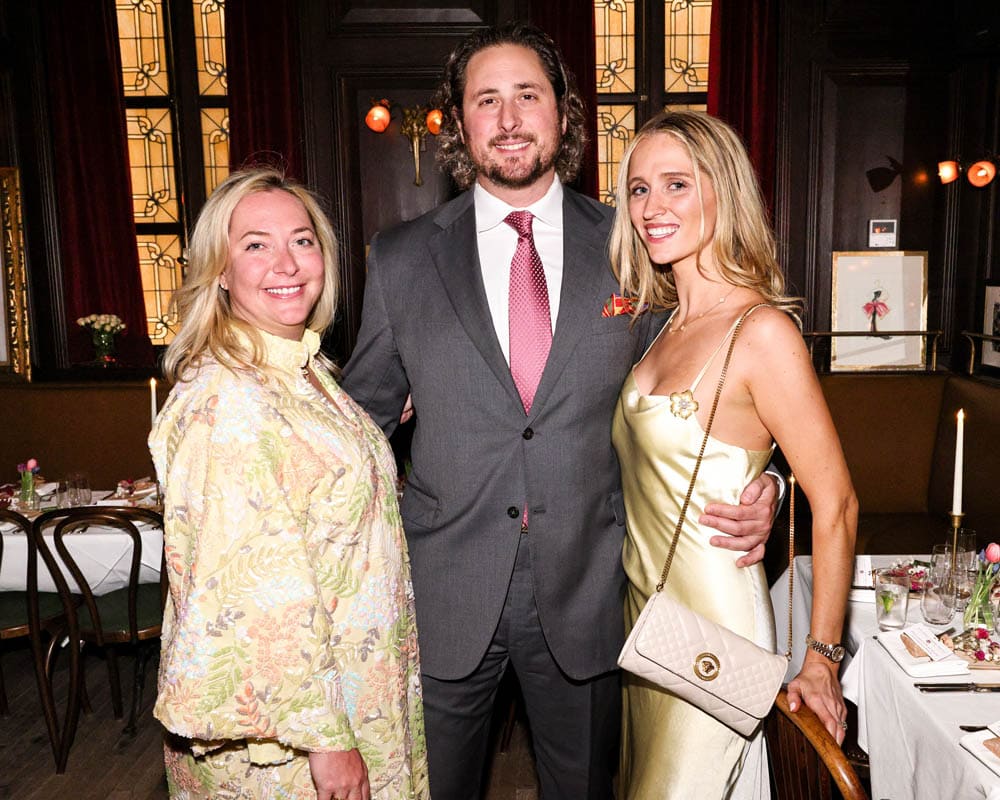
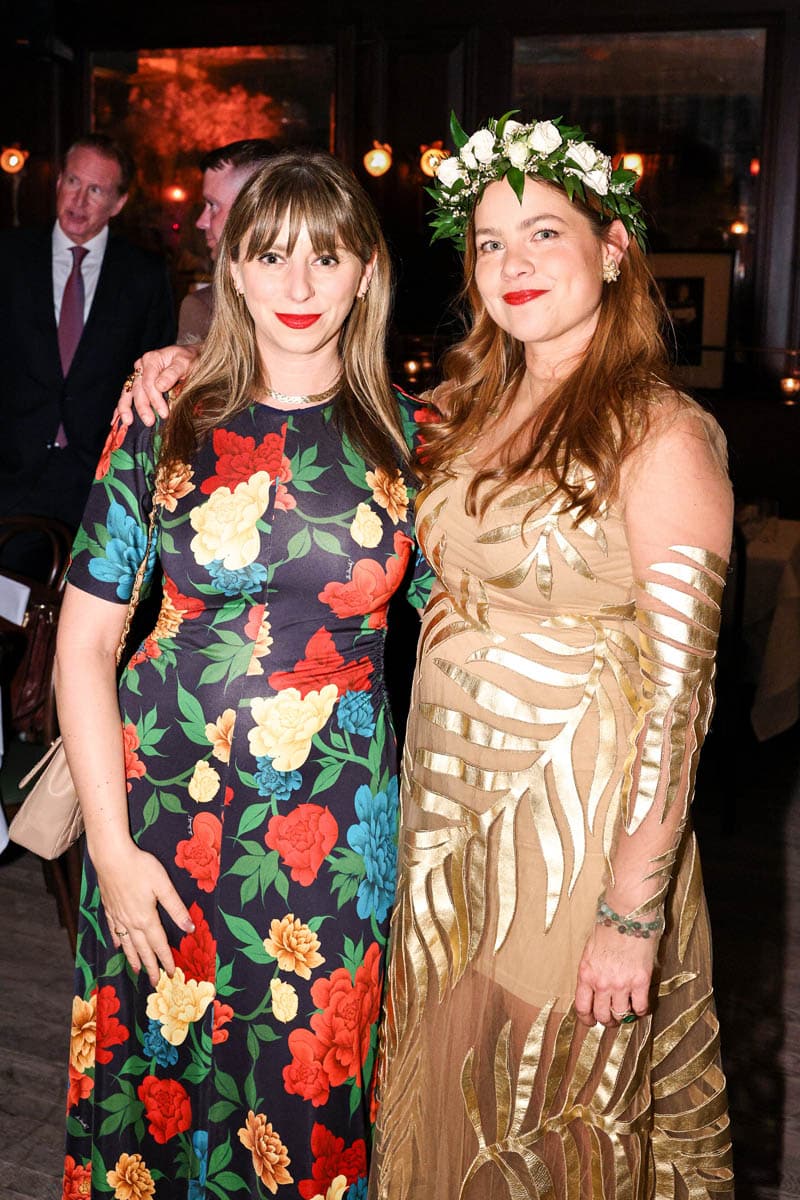
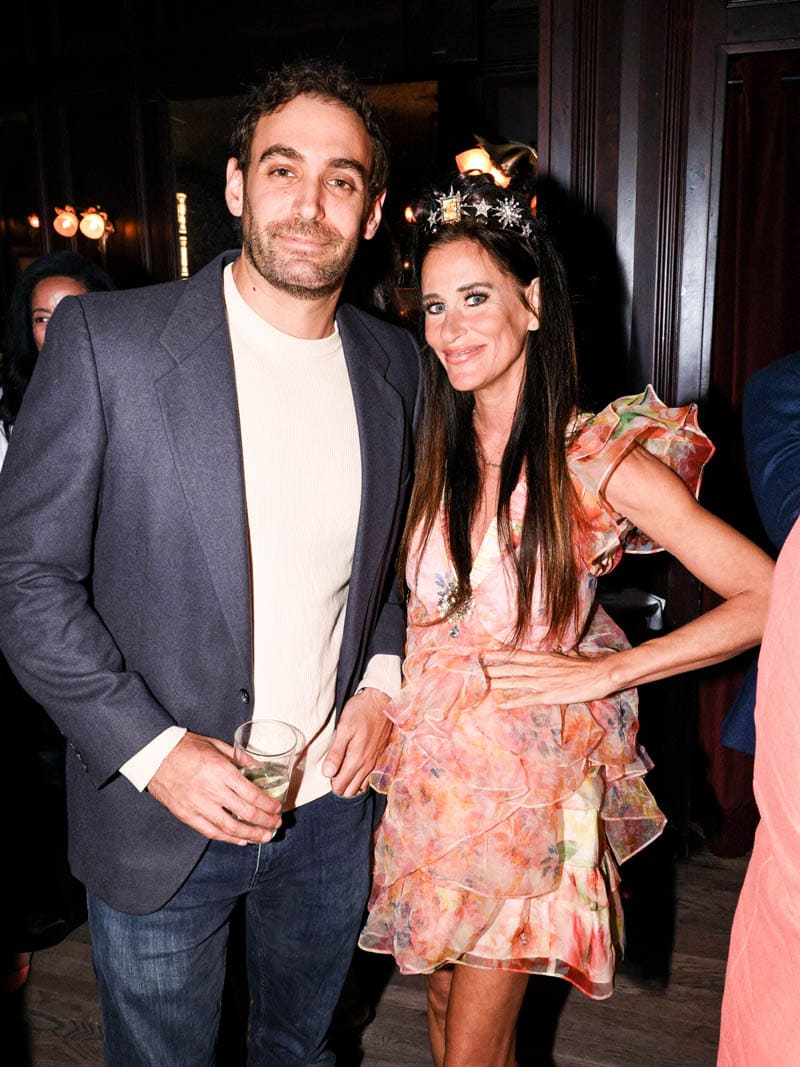
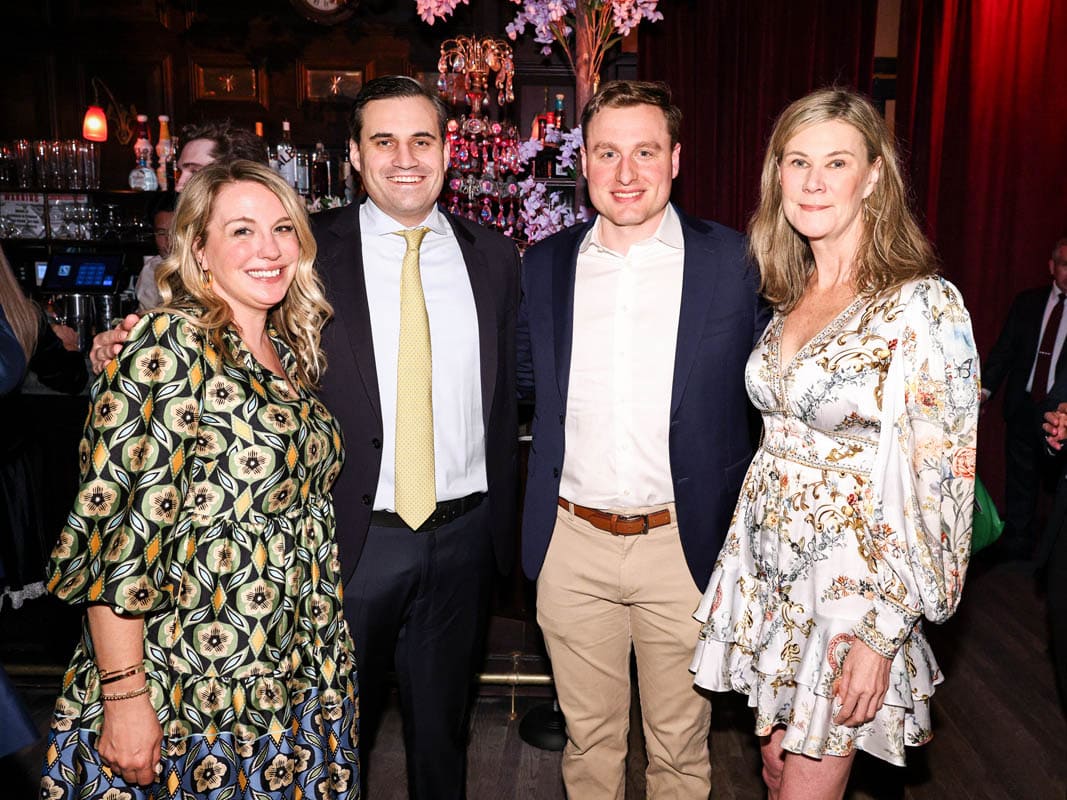
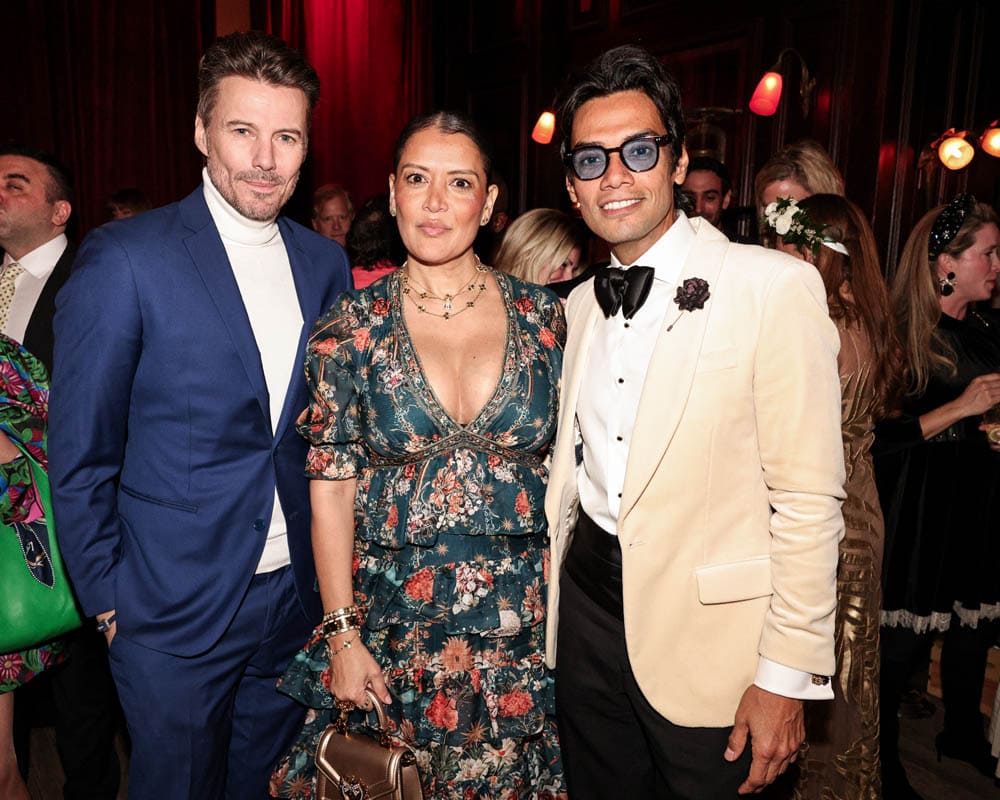
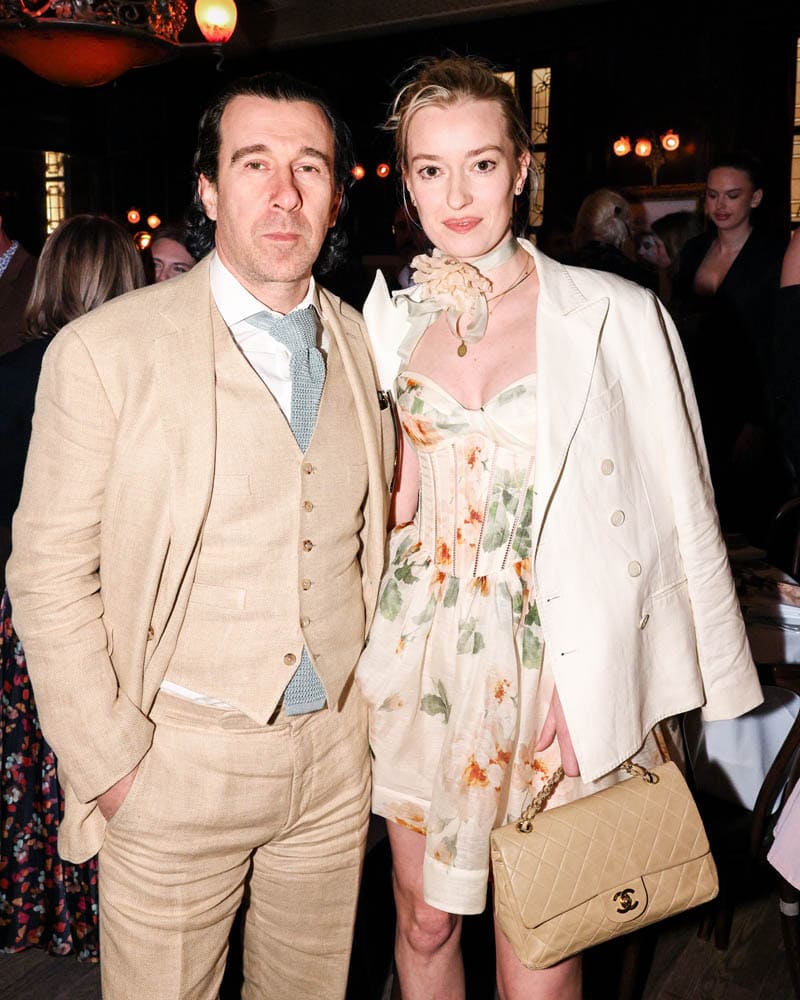
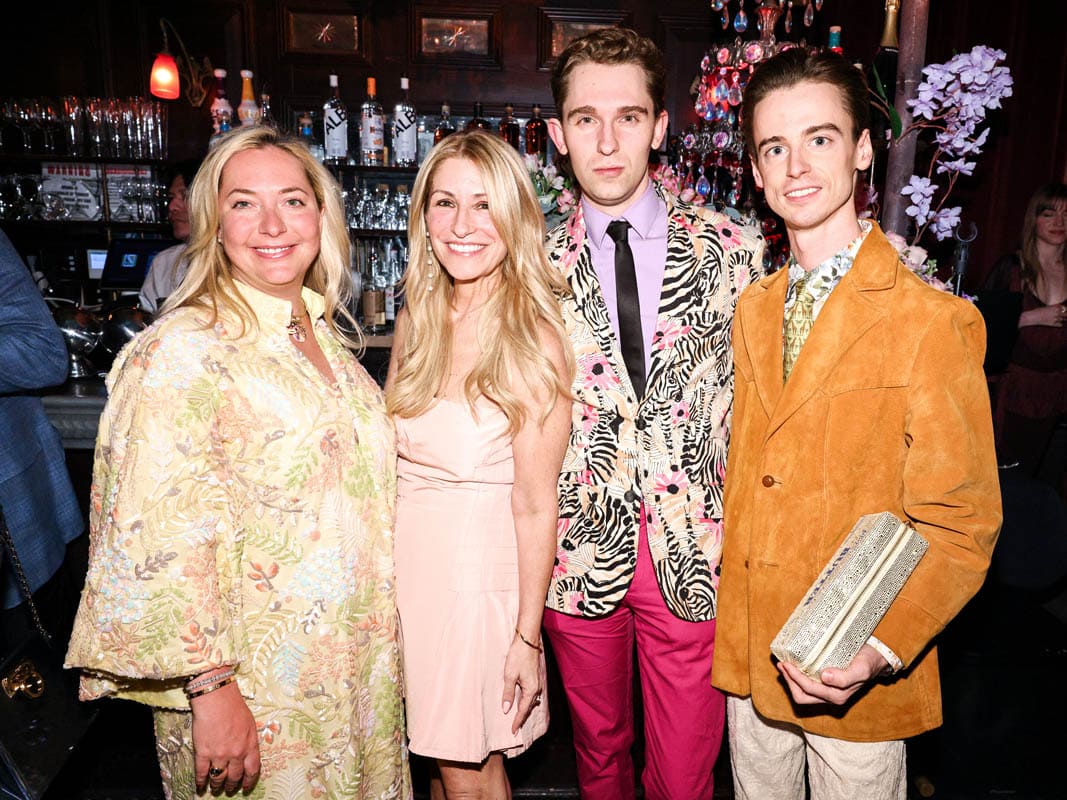
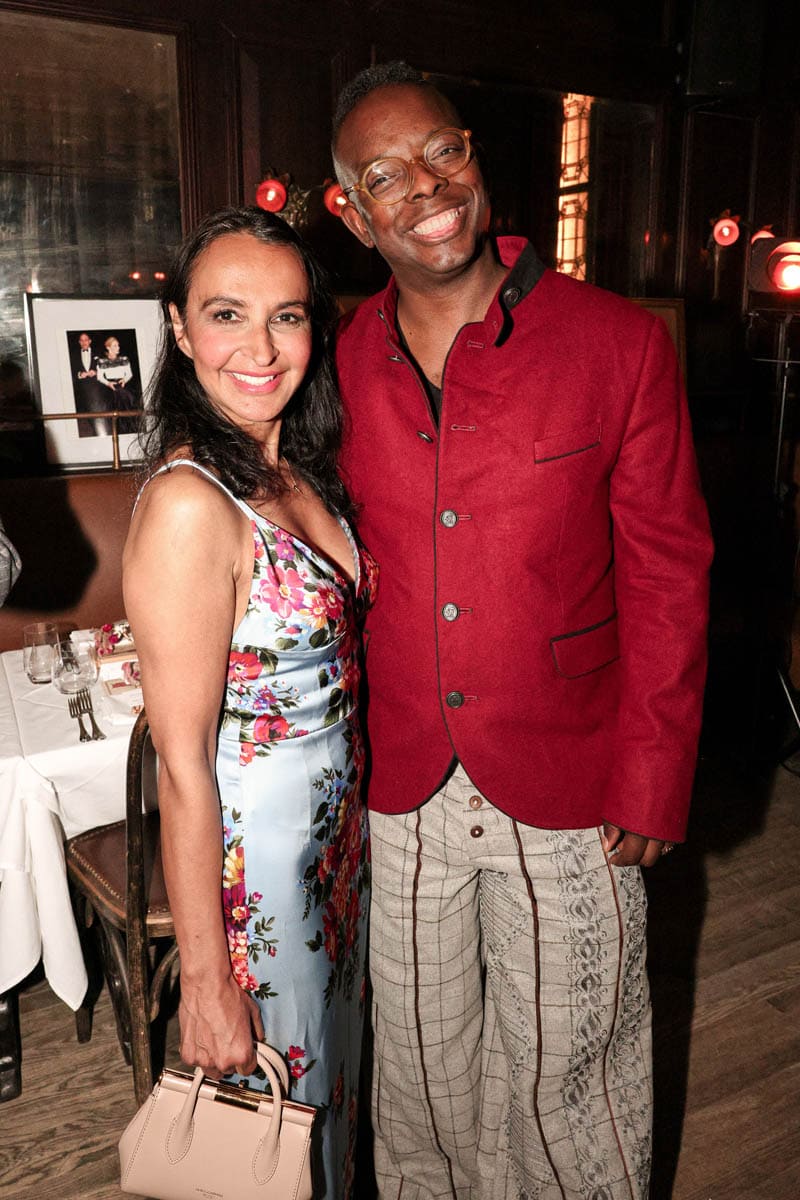
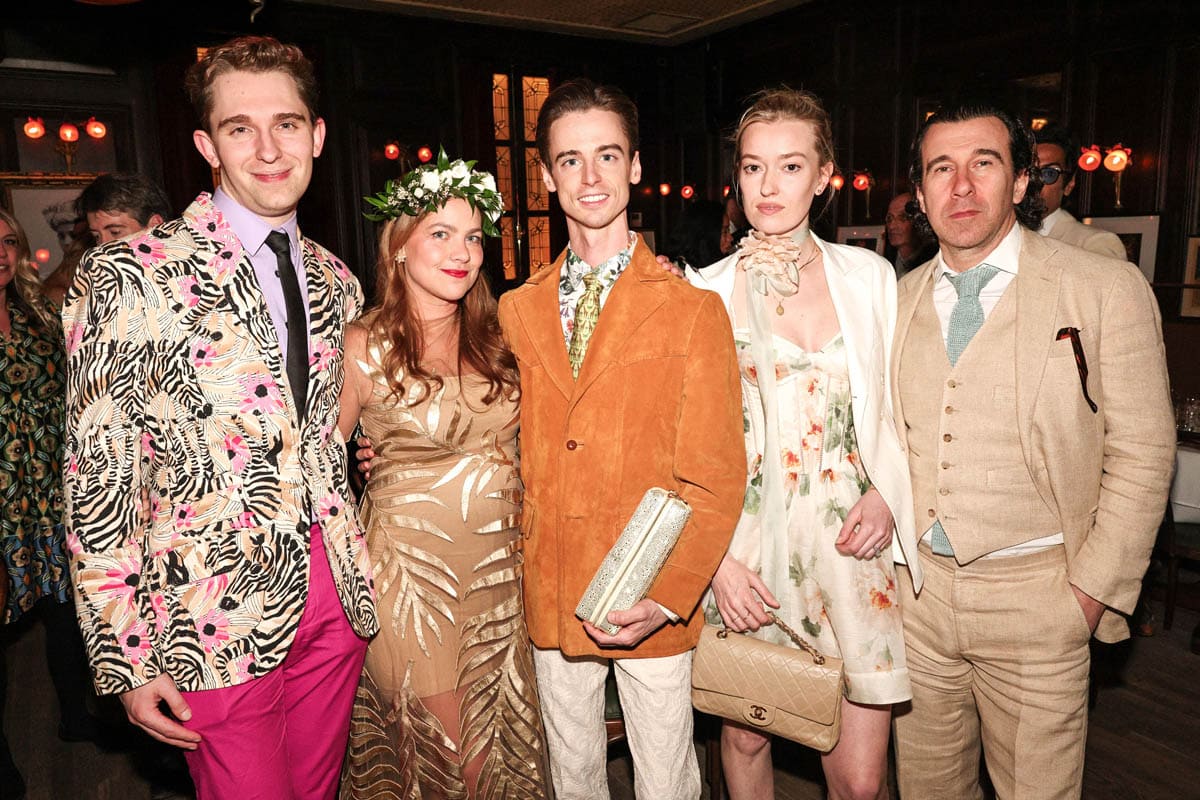
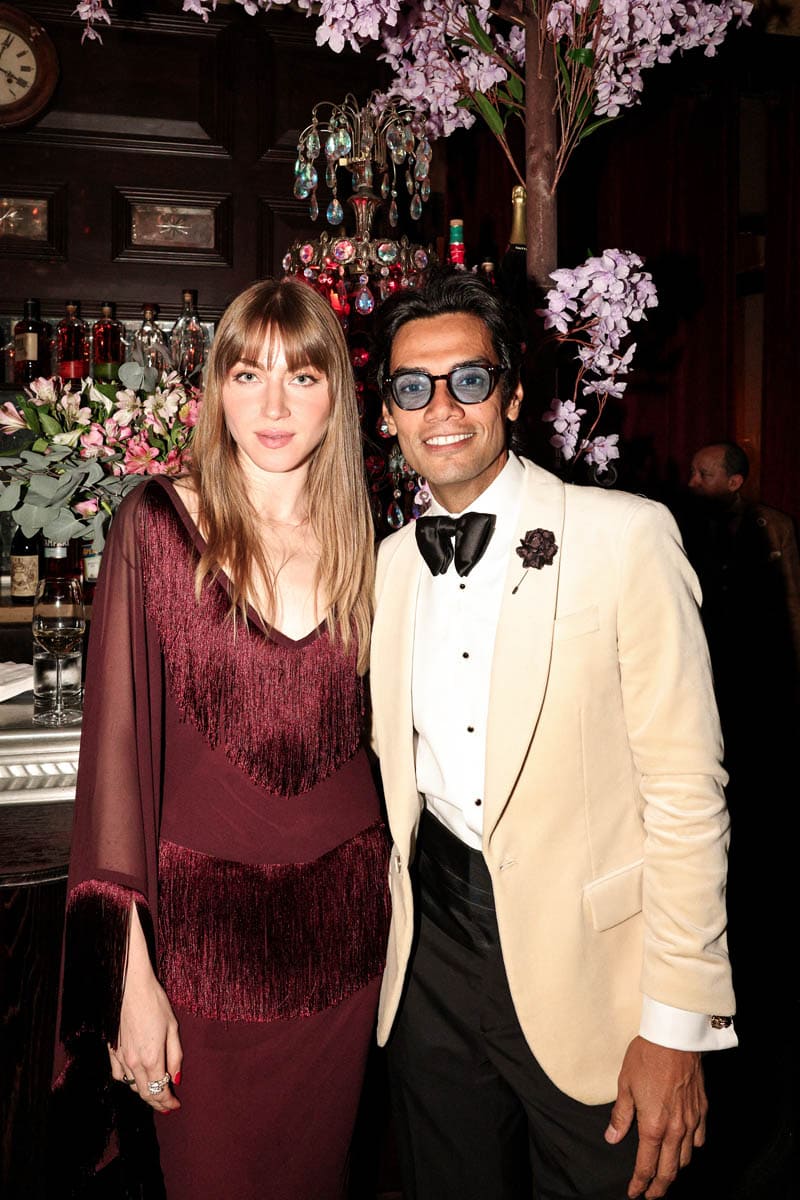
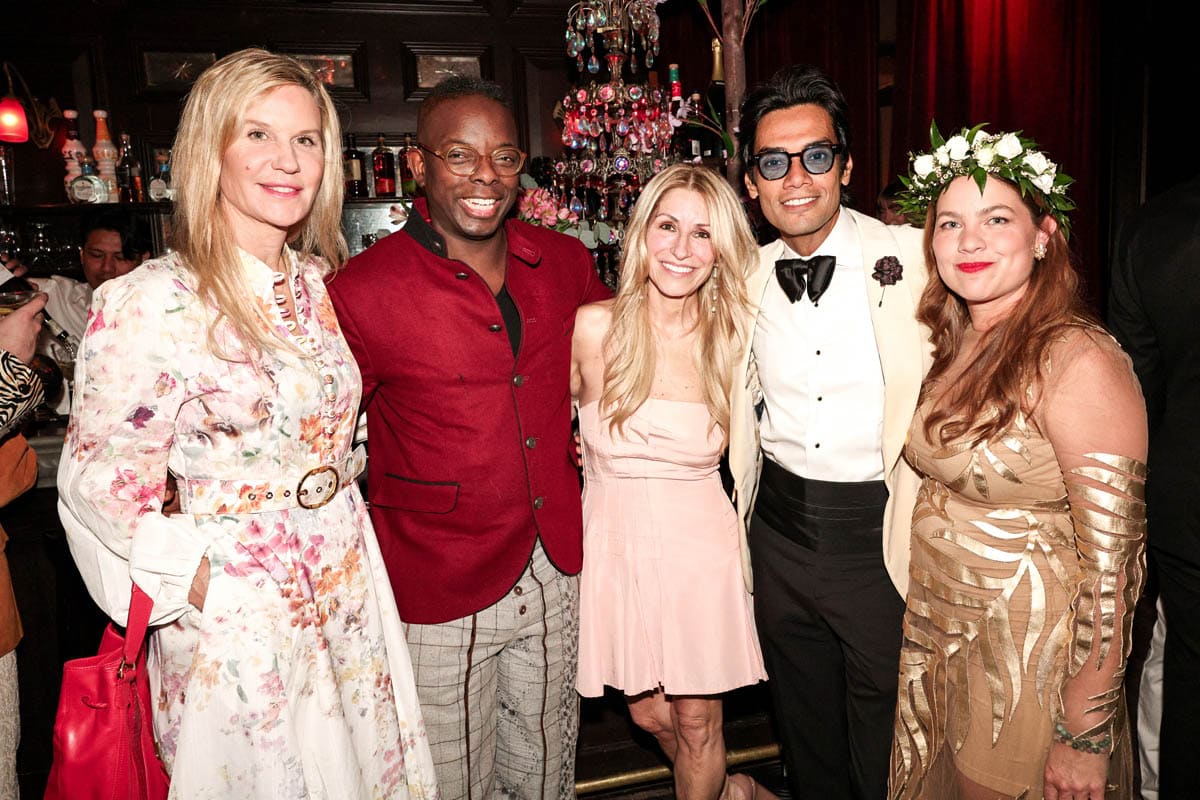
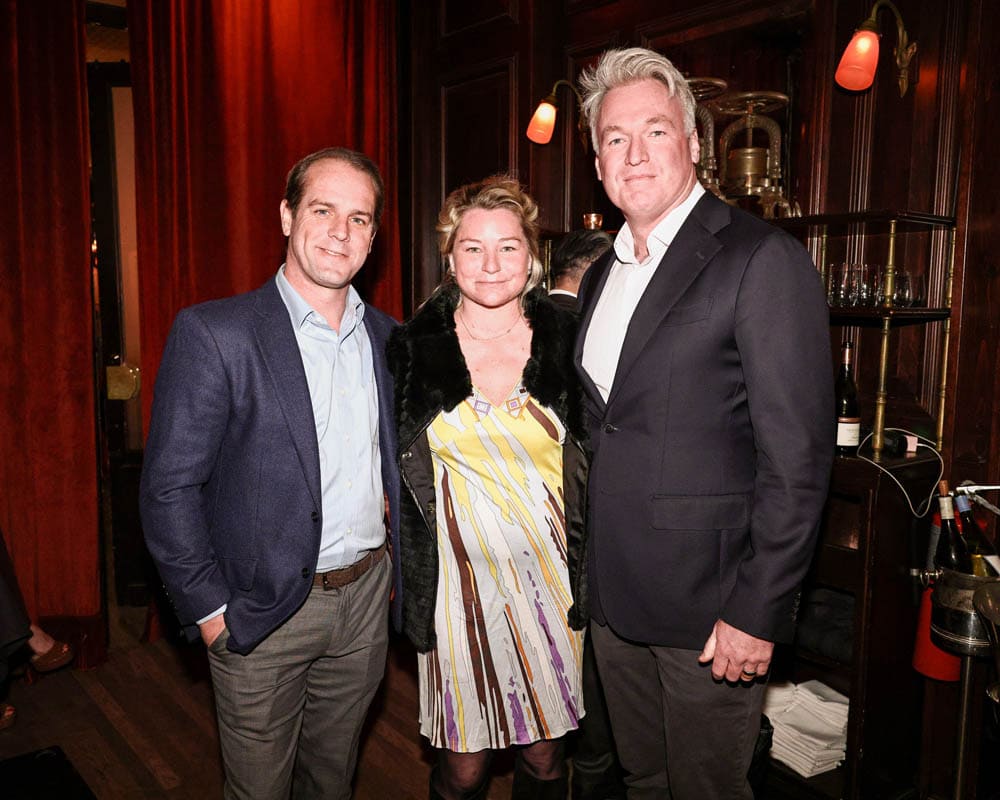
The Peconic Land Trust hosted A Legacy in Bloom, a dinner that drew a philanthropic crowd to Omar’s at La Goulue on Manhattan’s Upper East Side. The enchanting, garden-inspired evening blended elegance with purpose—celebrating conservation while engaging the next generation of...
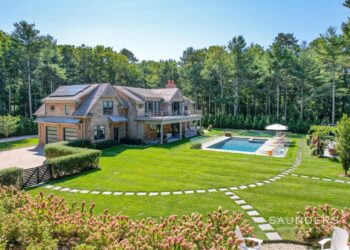
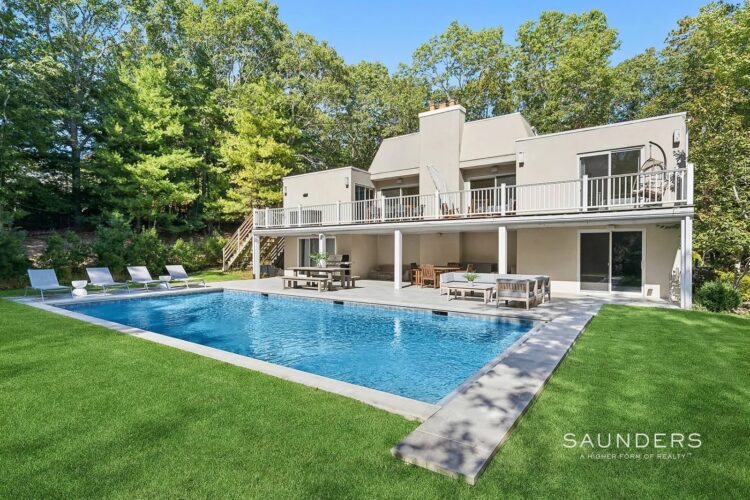
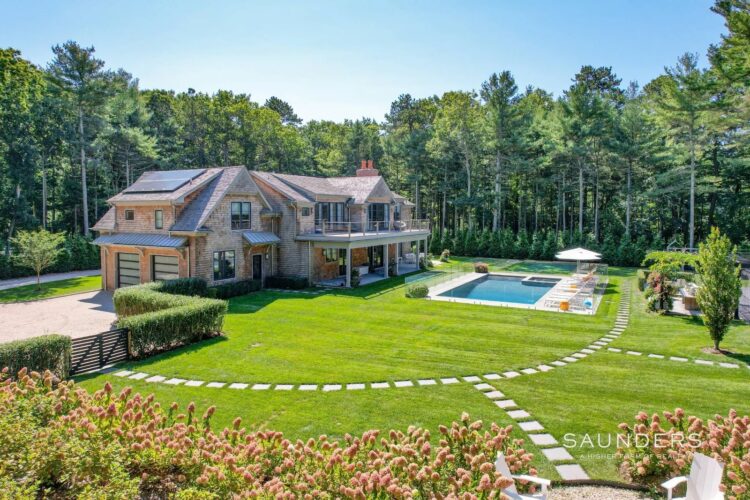
In a very private, gated location with pool and tennis, this superb residence on 4 acres bordering a reserve is peaceful and secluded yet also just a short drive to Sag Harbor Village, East Hampton, and Bridgehampton.

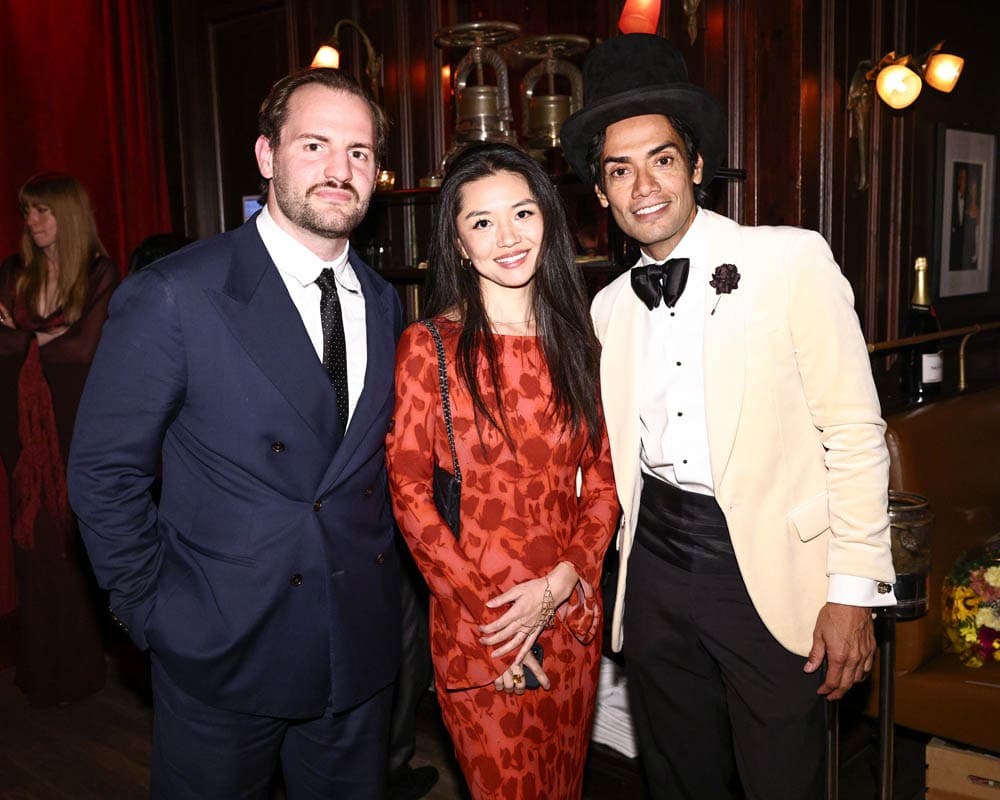
On April 20th, the Philippine Center in New York held an opening reception for its latest photographic exhibit, "Vibrant Depths," showcasing the Philippines' marine biodiversity. The featured artist is Rob Rich, a celebrity photographer in New York City and the...

Aaron Goldschmidt is the founder & director of the Shine Studio located at 977 Bridgehampton-Sag Harbor Turnpike in Bridgehampton. He was kind enough to talk about Adam Baranello’s current exhibition, The Lost Works, at The Shine Studio, which runs until the end of April. The...

The Happening in the Hamptons Podcast by Saunders & Associates is a weekly discussion covering all things Hamptons — from local events to in-depth real estate market analysis. This week, Kristin Regan and Alex Green joined and discussed learning AI...

The Arts Center at Duck Creek is set to host their fourth annual Airing of the Quilts on Saturday, May 2 from 12 to 5 p.m., with a rain date of Sunday, May 3. All are welcome to participate in airing...
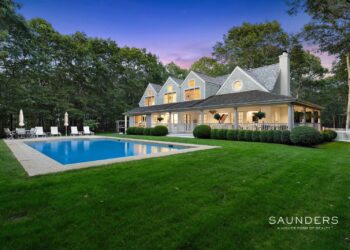
Over the past week, there were 18 Listings that went into contract from Westhampton to Montauk. Compared to this same week last year (2025), there were 28 Listings that went into contract. Which is a year over year DECREASE of 36%.

New construction in the heart of Southampton Village. Designed by WE Plus Design and built by Corbel Developments with intentional, thoughtful detailing at every turn, this 7-bedroom, 8.5-bath home delivers luxury single-level living rarely found at this scale.
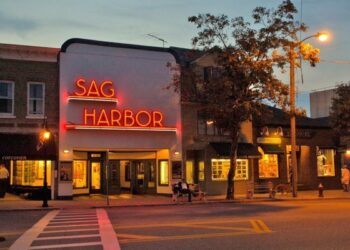
The Sag Harbor Cinema Arts Center and its Board of Directors have unanimously approved the appointment of Mark Lubell as its new Executive Director, following a national search conducted by PBR Executive Search.
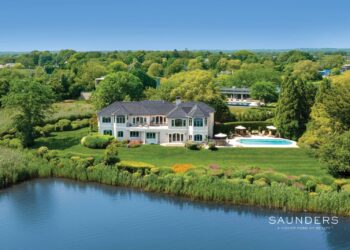
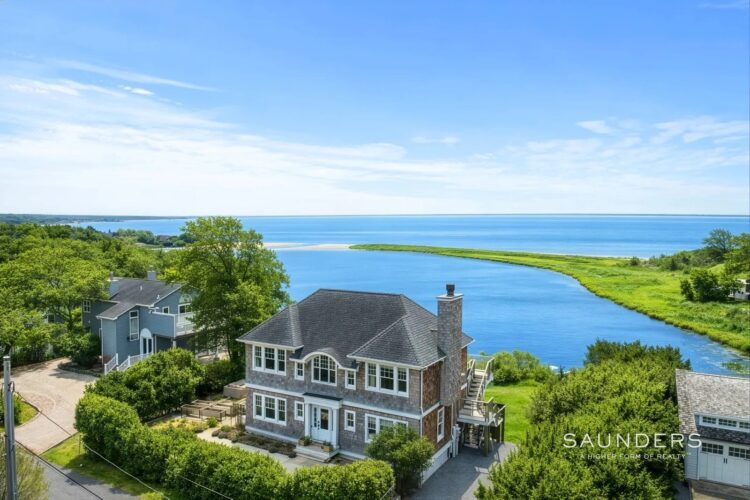
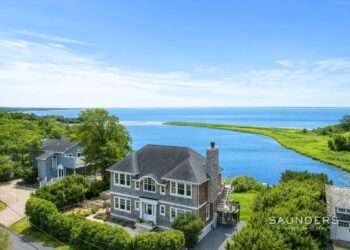
Wrapped in breathtaking views over Mecox Bay and the Atlantic Ocean, this perfectly positioned waterfront estate delivers the very best of coastal contemporary luxury in the Hamptons. Located South of the Highway in Water Mill, 54 Cobb Isle Road is...

A wonderful production of To Kill a Mockingbird is being produced in Riverhead. This classic play is an important piece of American literature. Many know of Gregory Peck’s performance as Atticus Finch in the movie. East End icon, Matthew Conlon,...
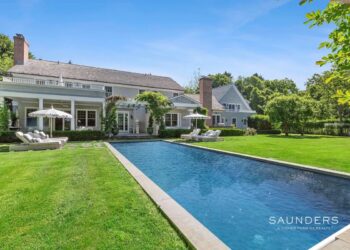
Located in the highly sought-after Georgica section of East Hampton Village, this recently renovated six-bedroom traditional home is the perfect luxurious summer rental.
For the renter seeking the soul of a private home with the ease and sophistication of a luxury boutique stay,...
Read moreDetailsOver the past week, there were 28 Listings that went into contract from Westhampton to Montauk. Compared to this same week...
Read moreDetailsTucked behind a dramatic gated entry in one of East Hampton's most central and desirable locations, this impeccably renovated 3,000...
Read moreDetailsThis home delivers on location, value, and luxury aesthetics. Sellers are open to selling fully furnished - with a stellar...
Read moreDetailsIn a very private, gated location with pool and tennis, this superb residence on 4 acres bordering a reserve is...
Read moreDetailsThe Happening in the Hamptons Podcast by Saunders & Associates is a weekly discussion covering all things Hamptons — from...
Read moreDetails