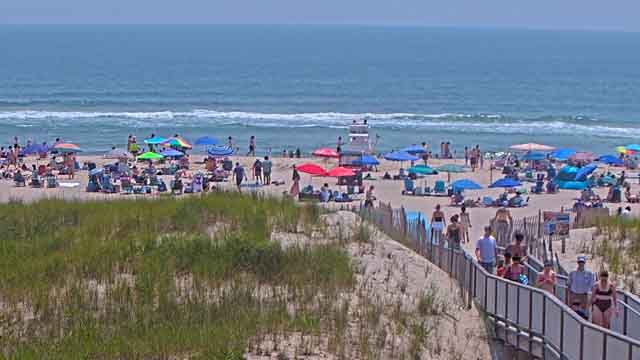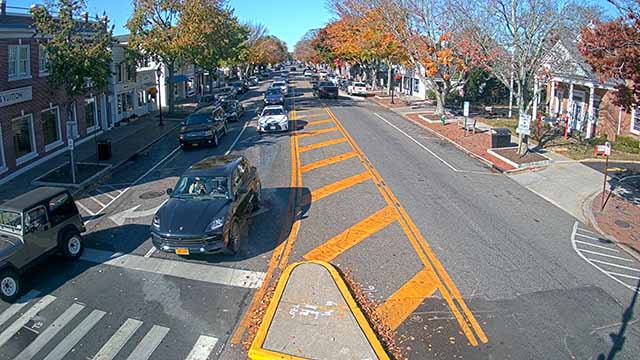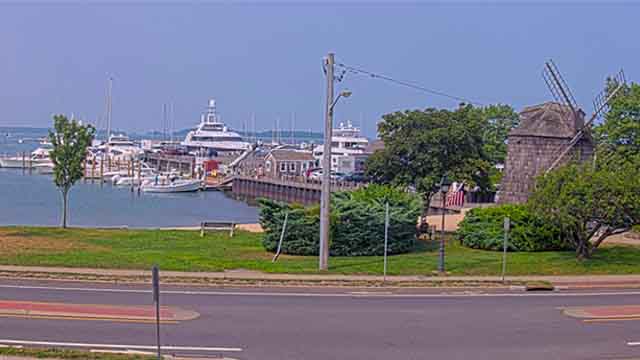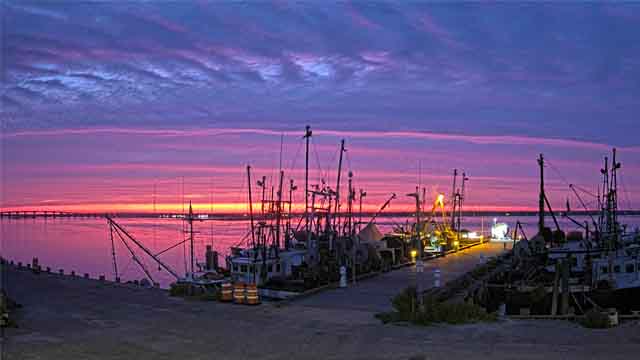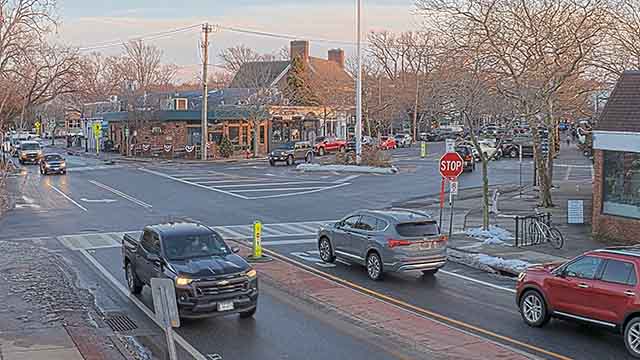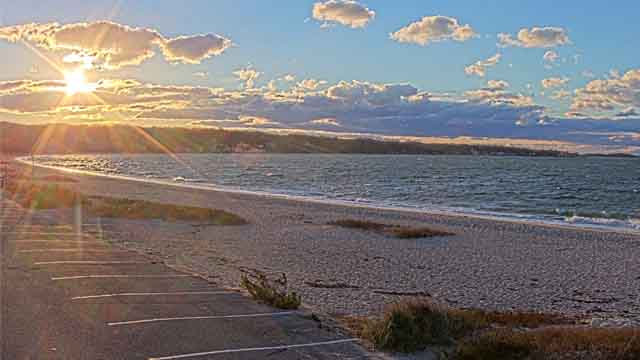
Main Street
Westhampton


















![Sculpture @ Sylvester Manor: [R]evolution](https://hamptons.com/wp-content/uploads/event-manager-uploads/event_banner/2021/07/manor_house-350x350.jpg)


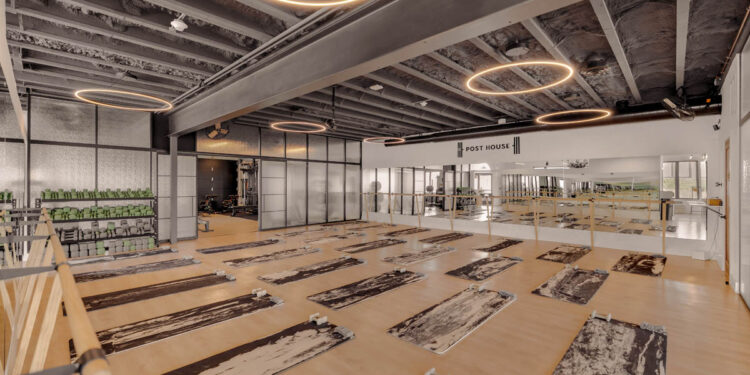
Post House, set at 31 Long Island Avenue in Sag Harbor, is redefining the fitness studio concept, blending high-performance training with the energy of a live experience. Co-founded by Geno McDermott, Emmy Award–winning producer, Post House brings a fresh perspective to the Hamptons wellness scene. Workouts are designed to feel as dynamic and engaging as the lifestyle that surrounds them.
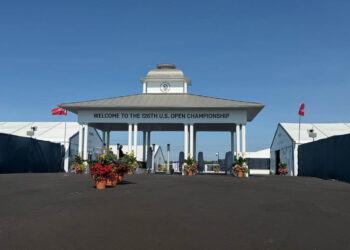
The USGA has crafted the ultimate fan experience for the 126th U.S. Open Championship, held at the historic Shinnecock Hills Golf Club, with elevated activations taking place now through June 21st.

The Bridgehampton Museum is pleased to present Uncharted Waters, a solo exhibition of paintings by Mark Seidenfeld, on view now through June 21st, 2026. The exhibition inaugurates The Bridgehampton Museum’s Corwith Homestead Tractor Barn, located at 2368 Montauk Highway, a...
Over the past week there were 32 Listings that went into contract from Westhampton to Montauk. Compared to this same week last year (2025), there were 28 Listings that went into contract. Which is a year over year INCREASE of 14%. This same...

Summer in the Hamptons often means long days in the sun, packed schedules, and a constant balance between activity and relaxation. At Naturopathica, with spa locations in East Hampton and Bridgehampton, wellness is approached as an ongoing practice—one that extends beyond...

The Montauk commercial fishing fleet held its annual “Blessing of the Fleet” on Sunday, June 14th. The “Sea Gods” provided perfect conditions for this day of both thanks and blessings. The “Montauk Blessing of the Fleet” is one of the...

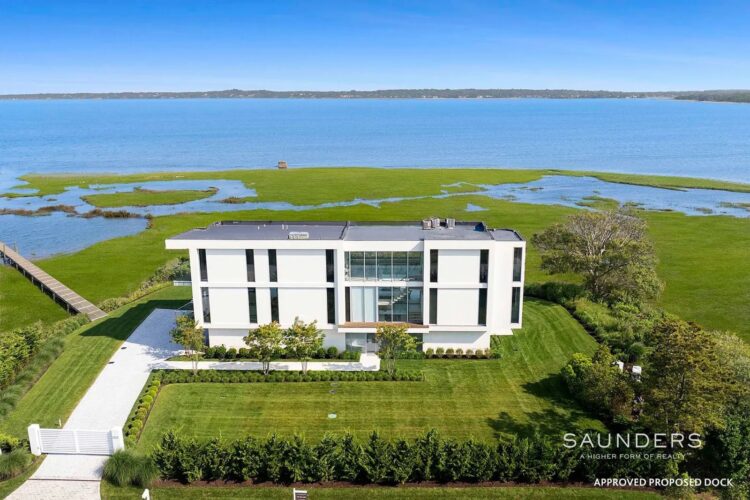
Now available, this extraordinary South of the Highway bayfront double-lot estate on Southampton Village's iconic Meadow Lane, has over 300' of waterfrontage, an approved dock, and sweeping panoramic vistas across Shinnecock Bay and ocean views.
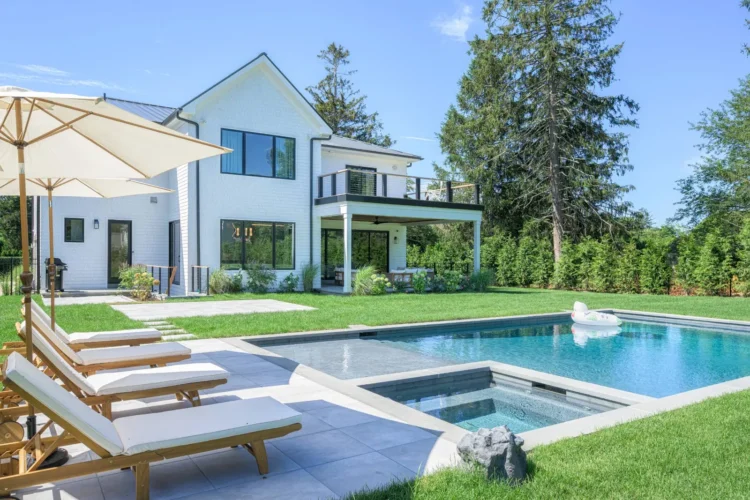
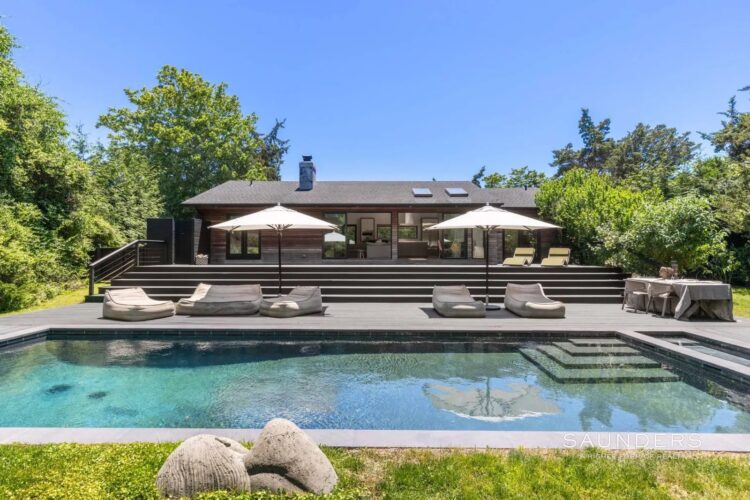
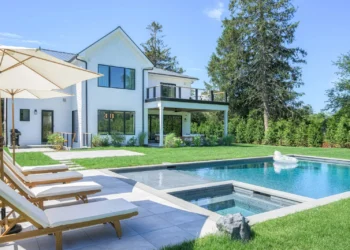
Discover a private Hamptons sanctuary where modern luxury meets coastal serenity. Hidden behind electronic gates and surrounded by lush, thoughtfully curated gardens, this fully renovated retreat offers a rare sense of peace just moments from the heart of Sag Harbor...
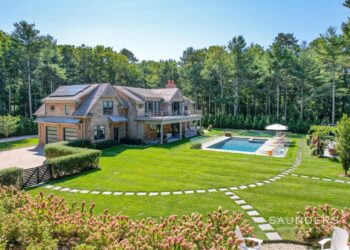
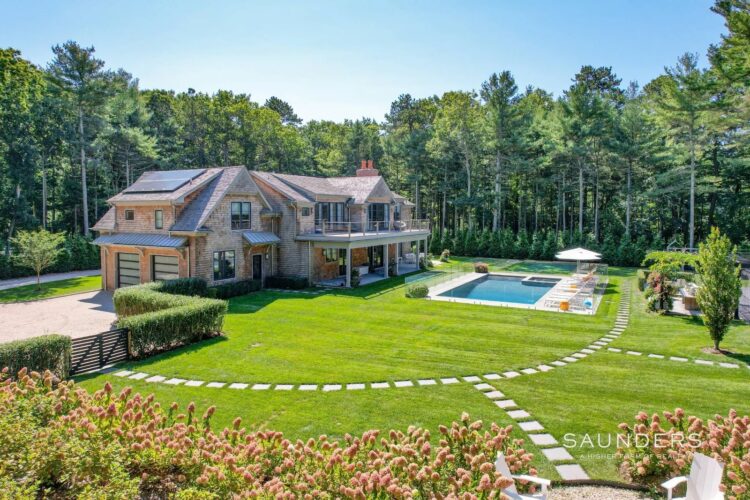
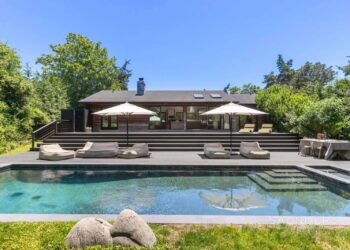
In a very private, gated location with pool and tennis, this superb residence on 4 acres bordering a reserve is peaceful and secluded yet also just a short drive to Sag Harbor Village, East Hampton, and Bridgehampton.

The 126th U.S. Open returns to the historic Shinnecock Hills Golf Club from June 18–21, 2026, bringing the world's top golfers to one of the sport's most revered golf courses. On Friday, June 12th, the U.S. Open Championship Trophy arrived...
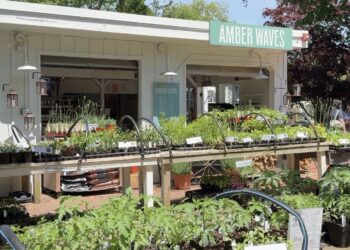
Amber Waves Farm is a nonprofit teaching farm in Amagansett, New York, focused on connecting food, farming, and community. The organization is built on four core values: stewardship, sustainability, community, and exploration. Through these principles, Amber Waves works to preserve...

Check out the top Hamptons events this weekend! From the Knicks watching party in Amagansett to Prospa's set at Surf Lodge, which event are you excited for?

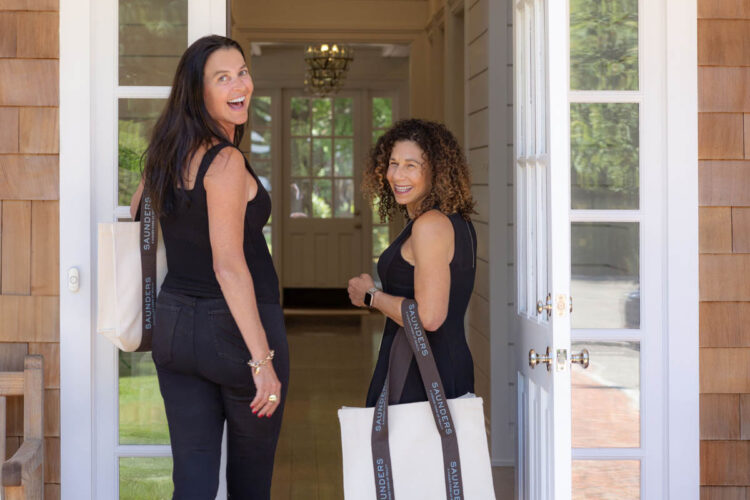
Saunders & Associates agents are once again earning national recognition for elite success in Hamptons real estate, with a new slate of rankings from RealTrends underscoring the firm’s strength in one of the country’s most competitive luxury markets. The honors reflect...

Charlotte Sasso and Jennifer Brew join the show to spotlight the LVIS Fair in Amagansett, one of the East End’s most beloved annual events. The free, family-friendly fair features pony rides, a petting zoo, shopping booths, food, and a silent auction with hundreds...

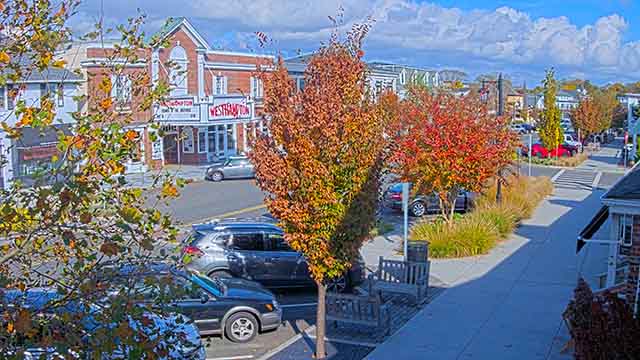
Westhampton Beach offers a dining scene that feels equal parts relaxed and refined. Whether you're grabbing a quick breakfast before the beach, enjoying a leisurely lunch, or settling in for a lively dinner after sunset, the options strike the perfect...
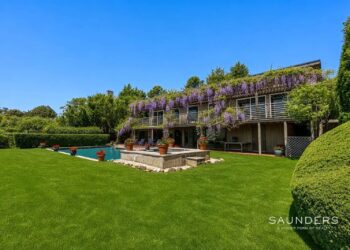
Over the past week, there were 25 Listings that went into contract from Westhampton to Montauk. Compared to this same week last year (2025), there were 41 Listings that went into contract. Which is a year over year DECREASE of...
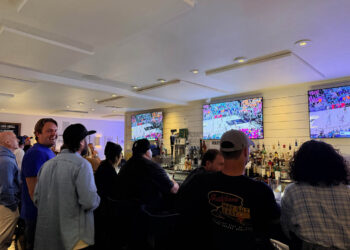
Your New York Knicks have made the NBA Finals for the first time since 1999! That means it's time to show your support for the home team, even if you don’t know Jalen from Rick Brunsen. This year, instead of...

Eleanor Whitmore Early Childhood Center is once again kicking off the summer season with its annual Summer Benefit, a beloved community gathering that supports one of the East End's most important missions. This year's Summer Kickoff Cocktail Party will take...

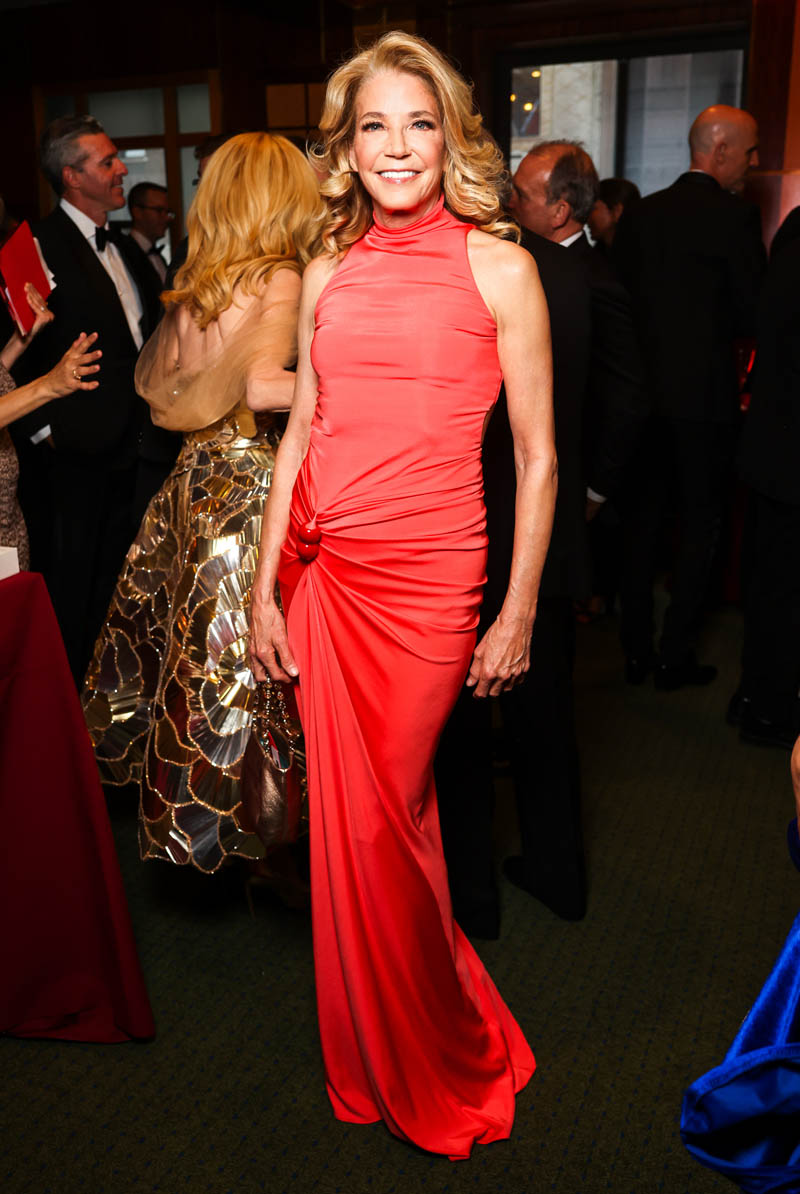
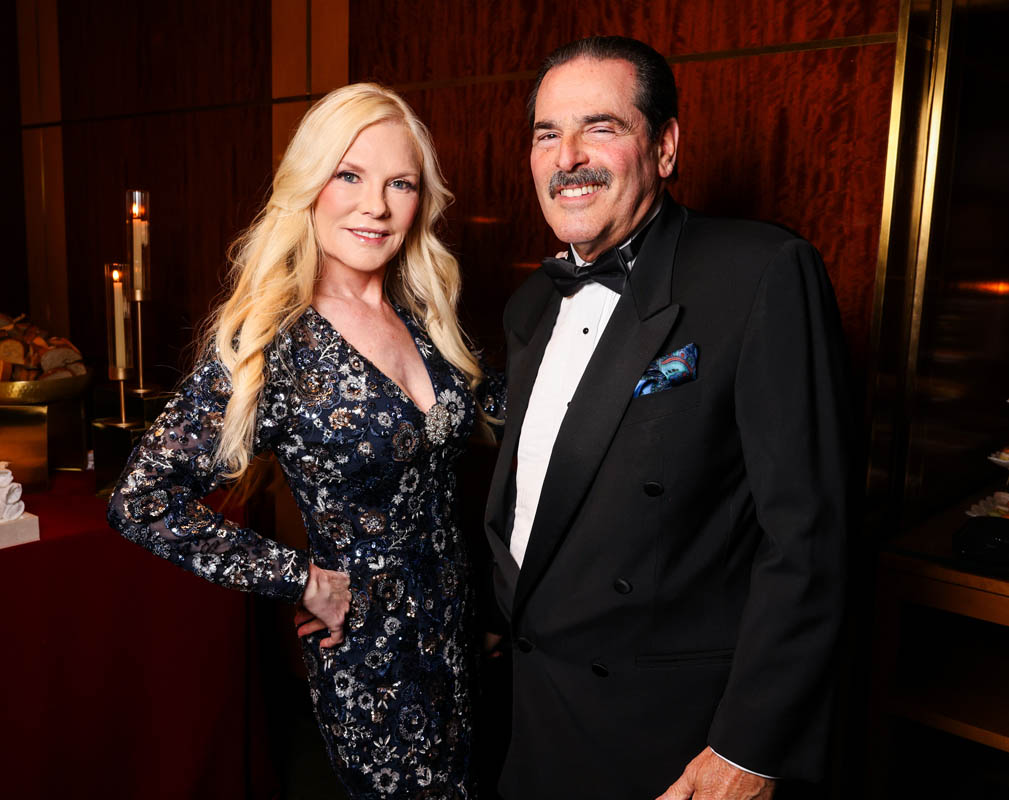
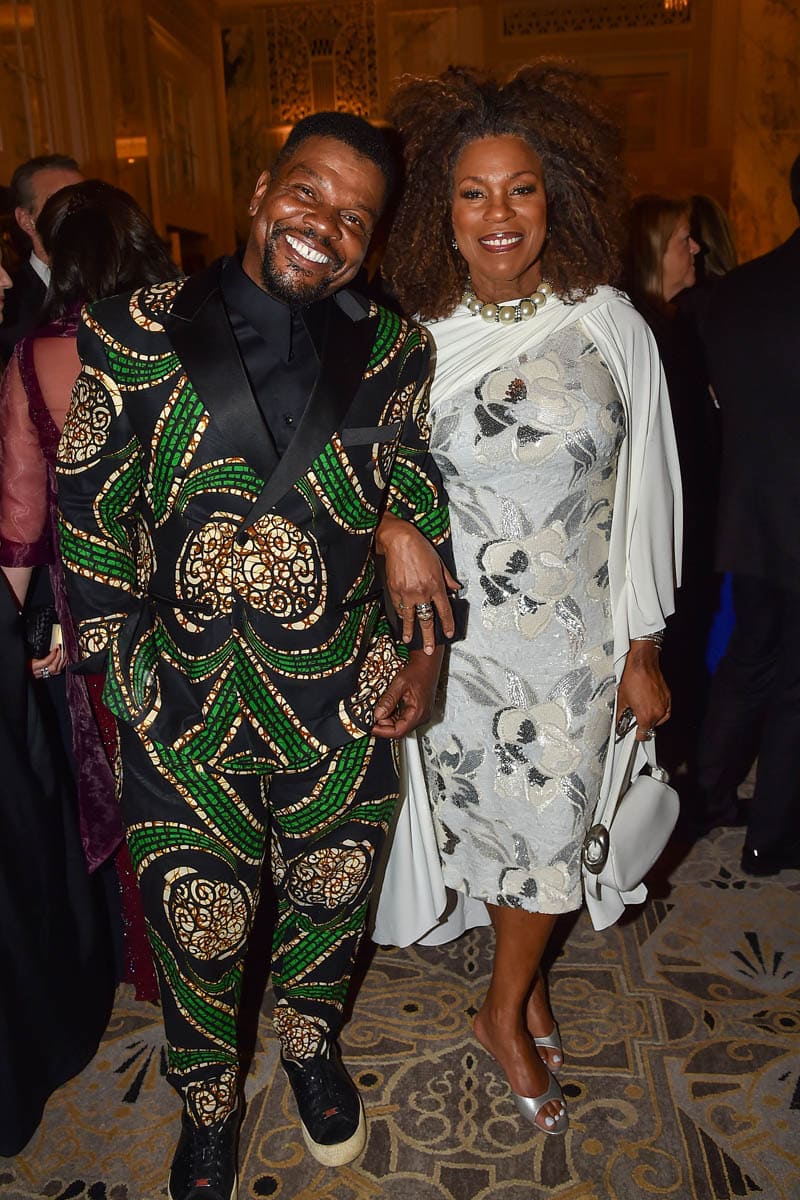
Southampton Fresh Air Home (SFAH) welcomed more than 500 guests at its Decorators-Designers-Dealers (D-D-D) Sale and Auction Benefit Gala this past weekend in Southampton. Guests enjoyed a fantastic evening of cocktails, shopping, and lively bidding.

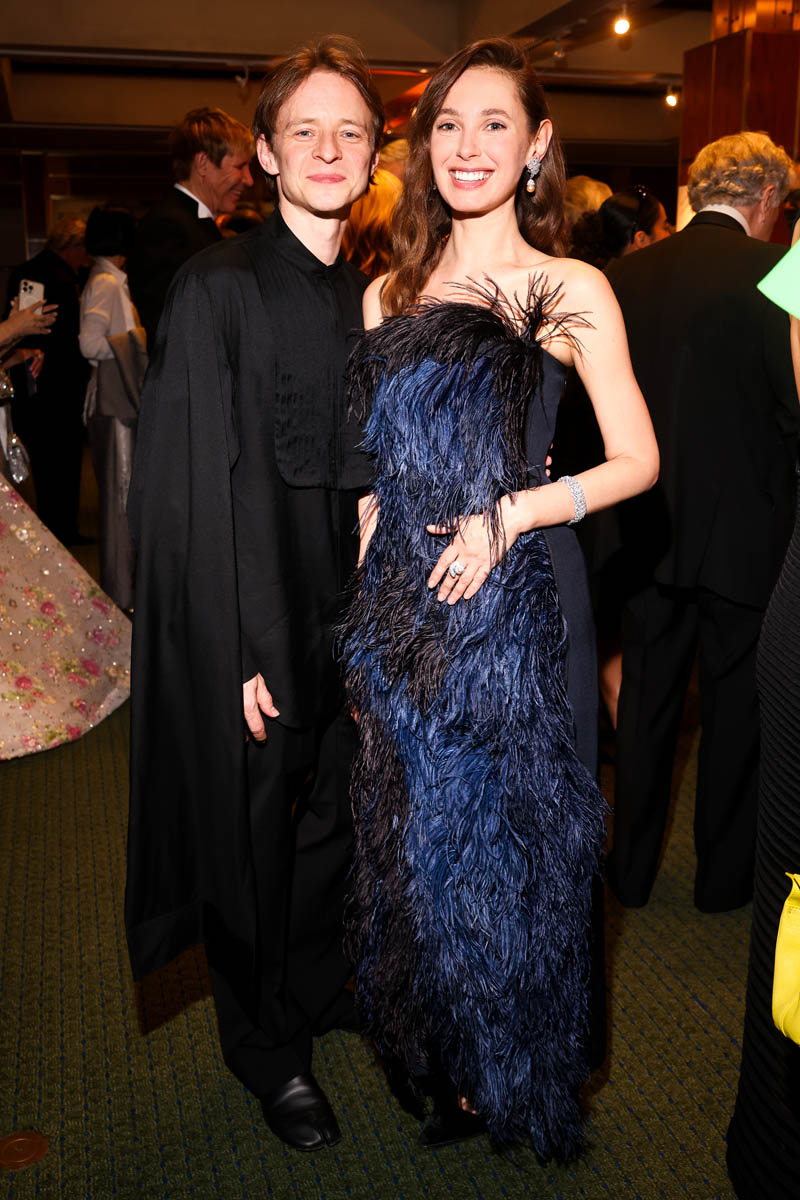
There was a lot of buzz before the World Premiere official opening Saturday night of Mister Halston at the Bay Street Theater. It is Bay Street Theater's first show of the season. Matt McGrath is riveting as Mister Halston. His...
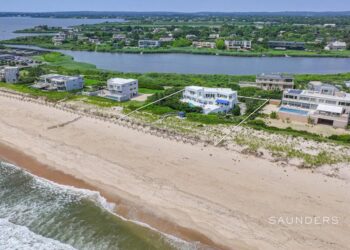
Experience an extraordinary summer in the Hamptons with this rare oceanfront rental on Mid Ocean Dr. Available from Memorial Day to Labor Day, this designer-furnished home offers six bedrooms, six baths, and stunning ocean views from every room.
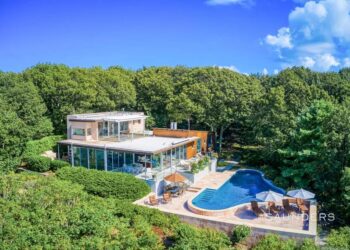
Built in 2002, "Treetops" is an AIA Archi Award-winning modern classic that boasts some of the most sweeping and unobstructed views on Eastern Long Island—stretching across the North Fork, Peconic Bay, Long Island Sound, and reaching to Connecticut.
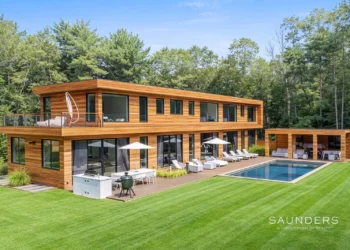
Luxury, sustainability, and elegance are yours in this 7400 +/- SF modern residence tucked away on nearly 3 acres of serenity. Cutting-edge design by Modern NetZero capitalizes on the cascading natural light, expanding the connection between the open floor plan...
Over the past week there were 32 Listings that went into contract from Westhampton to Montauk. Compared to this same week...
Read moreDetailsNow available, this extraordinary South of the Highway bayfront double-lot estate on Southampton Village's iconic Meadow Lane, has over 300'...
Read moreDetailsDiscover a private Hamptons sanctuary where modern luxury meets coastal serenity. Hidden behind electronic gates and surrounded by lush, thoughtfully...
Read moreDetailsIn a very private, gated location with pool and tennis, this superb residence on 4 acres bordering a reserve is...
Read moreDetailsSaunders & Associates agents are once again earning national recognition for elite success in Hamptons real estate, with a new...
Read moreDetailsCharlotte Sasso and Jennifer Brew join the show to spotlight the LVIS Fair in Amagansett, one of the East End’s most beloved annual...
Read moreDetails