Main Street
Westhampton

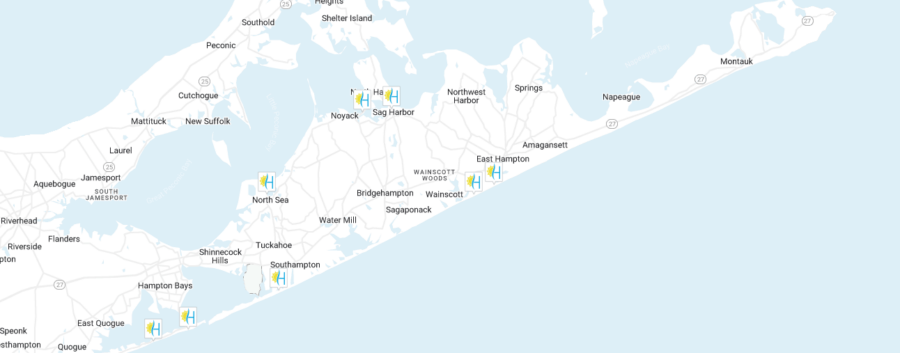
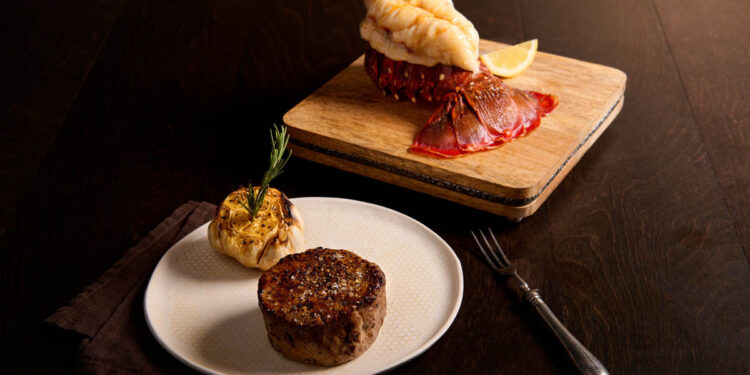
The 2026 Long Island Restaurant Week: Winter Edition takes place Sunday, January 25th to Sunday, February 1st. Throughout the week, restaurants may offer a $24 two-course lunch, a $29 three-course dinner menu, a $39 three-course dinner menu and/or a $46 three-course dinner prix fixe.
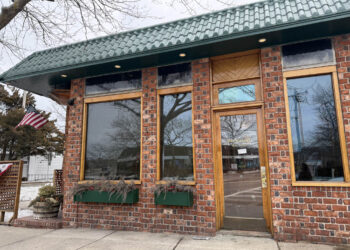
Husband and wife duo John and Kelly Piccinnini are thrilled to announce they will be taking over operations of the iconic Sag Harbor property at 1 Main Street, The Corner Bar, maintaining the restaurant's original name.

This past month, Quogue Wildlife Refuge held its beloved "Light The Night" trail walk. I've heard through the grapevine that the annual walk is magical, peaceful, and paints the dreaded cold winter nights in a whole new light (literally).
The latest Hamptons Real Estate Market Report from Saunders & Associates is now available, offering insight on how the market performed in 2025 and what it’s signaling for 2026. Read the full Hamptons Real Estate Market Report 2024 vs 2025...

Check out the top Hamptons events this February weekend!

Mark your calendars and lace up your skates! This Saturday, February 21st, is all about ice skating at Buckskill Winter Club in East Hampton. The club invites the community to enjoy a day of fun on the ice, benefiting Katy's...
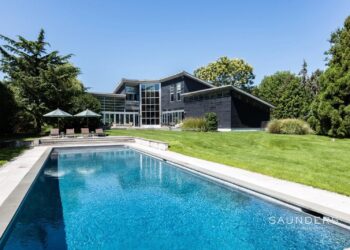
Over the past week, there were 17 Listings that went into contract from Westhampton to Montauk. Compared to this same week last year (2025), there were 28 Listings that went into contract. Which is a year over year DECREASE of 39%.

This past week, Share the Harvest Farm welcomed a sold-out gathering of women to Wölffer Estate for its “Share the Love” Galentine’s Wine Charm Workshop, an evening of creativity, connection, and community in support of the farm’s mission to fight...
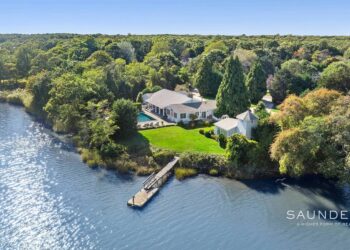
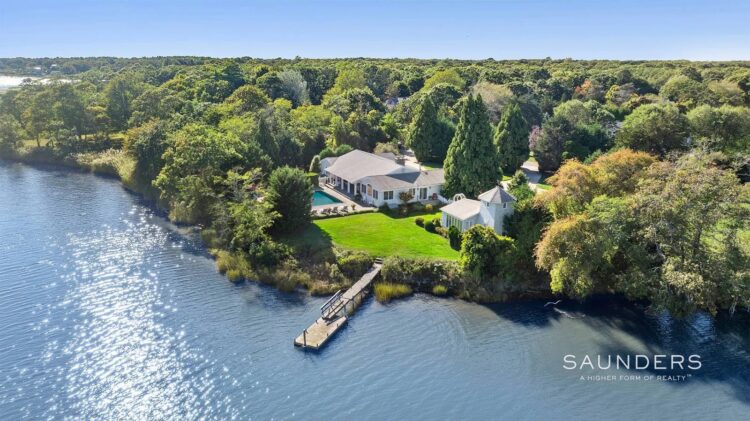
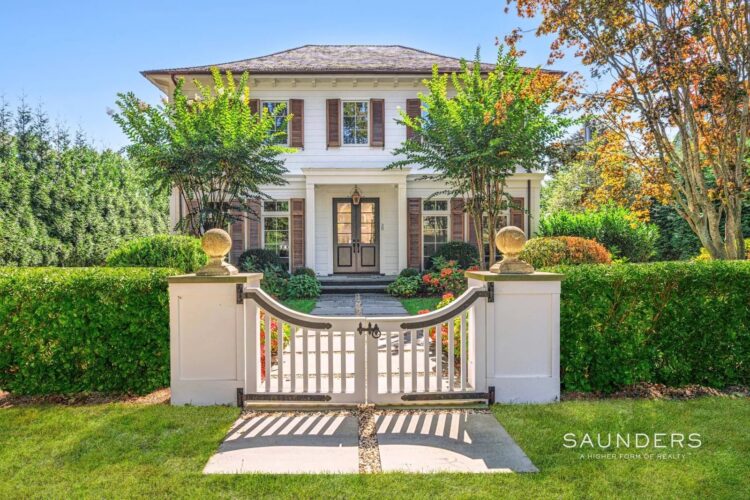
One of the first things you'll notice about this property is just how private and special it is, from the lush landscaping dotted with decades-old specimen trees to the carefully tended English gardens overlooking more than 320' of Quantuck Bay...

So, if you’re looking for a clear, uncluttered, and elevated cannabis experience, Charlie Fox is for you. If you’re a first-timer, excited to explore cannabis (now legal in New York), or a lifelong enjoyer who's looking for the best cannabis on...
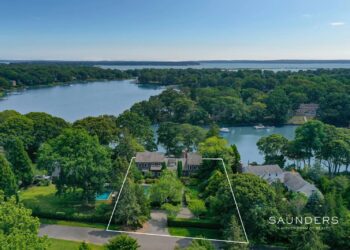
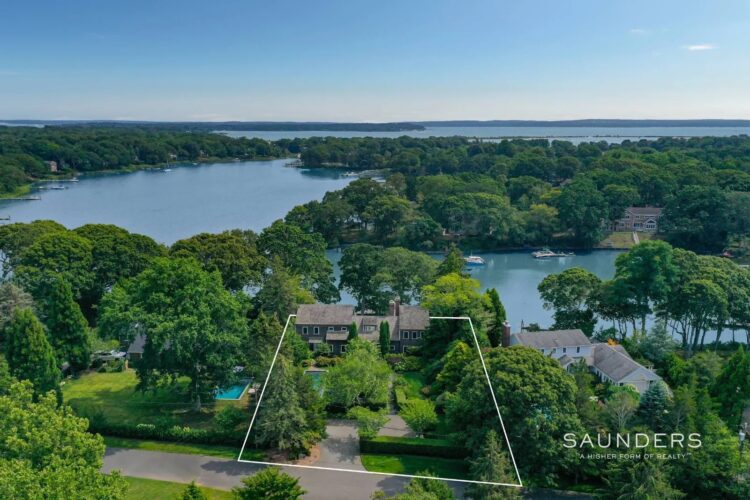
Enviably located on Shelter Island's southern coast with 113' of waterfront on Menantic Creek, this half-acre property was fully reimagined in a high-end 2017 renovation that left no detail overlooked. Offering 3,676 +/- sq. ft. across 2 levels, the home...

The Long Island debut of Ken Ludwig's Dear Jack, Dear Louise on the SAC stage in Southampton Village was a huge success. Starring Barbara Jo Howard and Jack Seabury, both gave award-winning performances and drew a standing ovation at the...
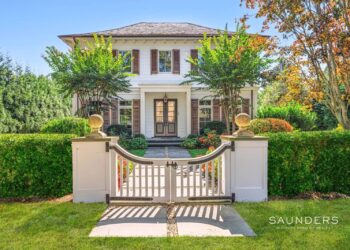
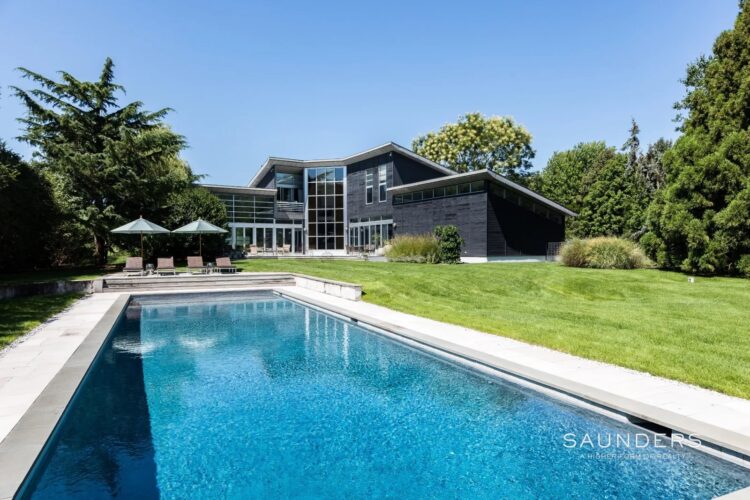
New Construction, be the first occupant! This Southampton South immaculate residence blends timeless Hamptons style with modern ease. Ideally situated between the village's boutiques, restaurants, and ocean beaches, it delivers sophistication and convenience in equal measure.

The Hamptons are filled with romantic vistas. It has many beaches, trails, lighthouses, and old country farm roads. It was easy to pick spots to write about because there are countless scattered all over the East End. With Valentine’s Day...

Bay Street Theater will celebrate its 35th Anniversary in 2026 with a summer season that honors its history while embracing what has always defined the theater: bold storytelling, artistic ambition, and the power of connection in an intimate room.

The Happening in the Hamptons Podcast by Saunders & Associates is a weekly discussion covering all things Hamptons — from local events to in-depth real estate market analysis. This week, John Brady, Paty Brady, and George Negroponte discussed Hamptons real...

Love is in the air, and the day of roses, stuffed teddy bears, and couples fighting over dinner reservations is approaching! Hamptons.com has your back, and we've curated a special Valentine's Day Dinner guide to help you make the perfect...
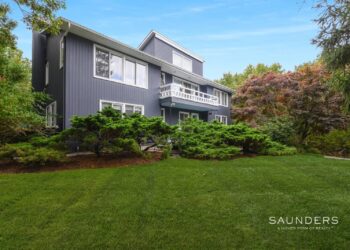
Over the past week, there were 19 Listings that went into contract from Westhampton to Montauk. Compared to this same week last year (2025), there were 25 Listings that went into contract. Which is a year over year DECREASE of 24%.

Palm Tree Music Festival, the ultimate Hamptons party, returns for its sixth edition on Saturday, June 27th at the Shinnecock Reservation in Southampton. Known for blending world-class music with laid-back luxury, the one‑day festival once again brings together an electric...
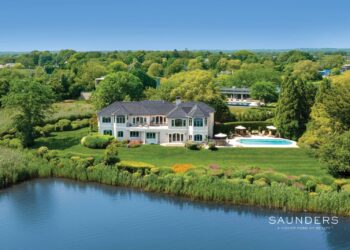
Wrapped in breathtaking views over Mecox Bay and the Atlantic Ocean, this perfectly positioned waterfront estate delivers the very best of coastal contemporary luxury in the Hamptons. Located South of the Highway in Water Mill, 54 Cobb Isle Road is...

Ken Ludwig's Dear Jack, Dear Louise stars SAC favorites Barbara Jo Howard and Jack Seabury. The show runs from February 13th to 15th, 2026, with shows at 7 p.m. on Friday, February 13th, 2 p.m. and 7 p.m. on Saturday,...
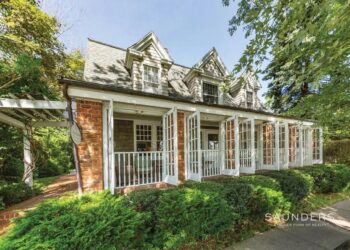
Situated in the heart of East Hampton Village, the Mill House Inn showcases an eclectic mix of Hamptons' "Shingle-Style" architecture. Originally constructed in the late 18th century, the 6,000 SF main house has been accommodating guests since the early 1900s....

ColorPop Workshop, the Manhattan-born art studio known for its elevated, hands-on projects for kids ages 2 to 12, is expanding its East End footprint with a brand-new location at 3 Sunset Avenue in Westhampton Beach. The studio will debut with...
The latest Hamptons Real Estate Market Report from Saunders & Associates is now available, offering insight on how the market...
Read moreDetailsOver the past week, there were 17 Listings that went into contract from Westhampton to Montauk. Compared to this same week last...
Read moreDetailsOne of the first things you'll notice about this property is just how private and special it is, from the...
Read moreDetailsEnviably located on Shelter Island's southern coast with 113' of waterfront on Menantic Creek, this half-acre property was fully reimagined...
Read moreDetailsNew Construction, be the first occupant! This Southampton South immaculate residence blends timeless Hamptons style with modern ease. Ideally situated...
Read moreDetailsThe Happening in the Hamptons Podcast by Saunders & Associates is a weekly discussion covering all things Hamptons — from...
Read moreDetails