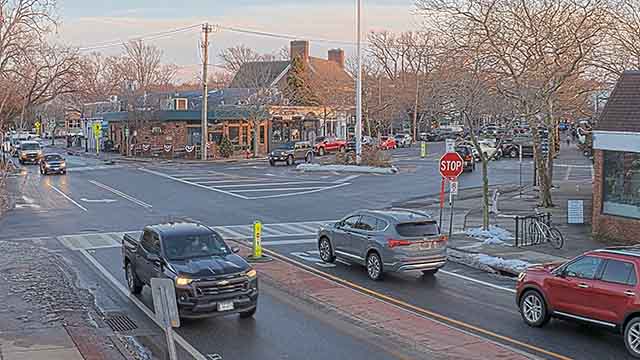
Main Street
Westhampton







The 2026 Long Island Restaurant Week: Winter Edition takes place Sunday, January 25th to Sunday, February 1st. Throughout the week, restaurants may offer a $24 two-course lunch, a $29 three-course dinner menu, a $39 three-course dinner menu and/or a $46 three-course dinner prix fixe.

Love is in the air, and the day of roses, stuffed teddy bears, and couples fighting over dinner reservations is approaching! Hamptons.com has your back, and we've curated a special Valentine's Day Dinner guide to help you make the perfect...
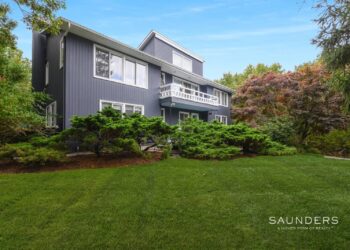
Over the past week, there were 19 Listings that went into contract from Westhampton to Montauk. Compared to this same week last year (2025), there were 25 Listings that went into contract. Which is a year over year DECREASE of 24%.

Palm Tree Music Festival, the ultimate Hamptons party, returns for its sixth edition on Saturday, June 27th at the Shinnecock Reservation in Southampton. Known for blending world-class music with laid-back luxury, the one‑day festival once again brings together an electric...

Ken Ludwig's Dear Jack, Dear Louise stars SAC favorites Barbara Jo Howard and Jack Seabury. The show runs from February 13th to 15th, 2026, with shows at 7 p.m. on Friday, February 13th, 2 p.m. and 7 p.m. on Saturday,...
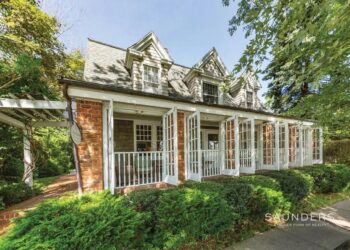
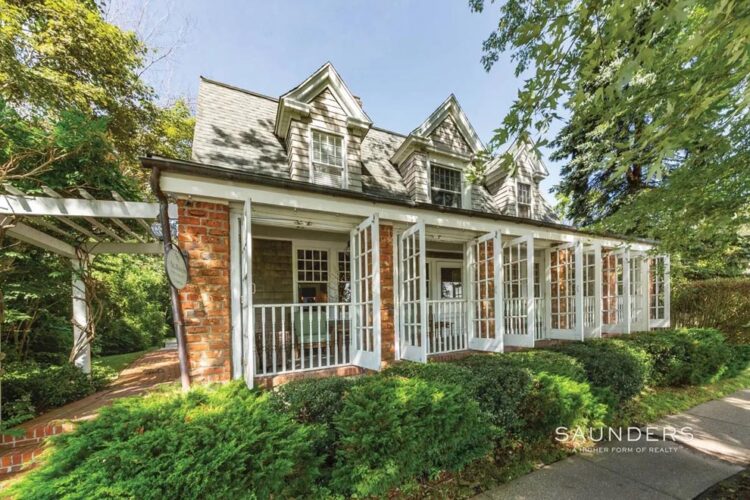
Situated in the heart of East Hampton Village, the Mill House Inn showcases an eclectic mix of Hamptons' "Shingle-Style" architecture. Originally constructed in the late 18th century, the 6,000 SF main house has been accommodating guests since the early 1900s....

ColorPop Workshop, the Manhattan-born art studio known for its elevated, hands-on projects for kids ages 2 to 12, is expanding its East End footprint with a brand-new location at 3 Sunset Avenue in Westhampton Beach. The studio will debut with...
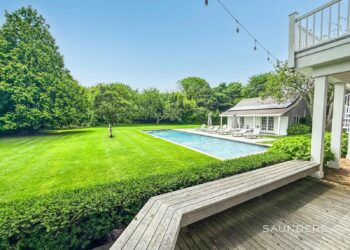
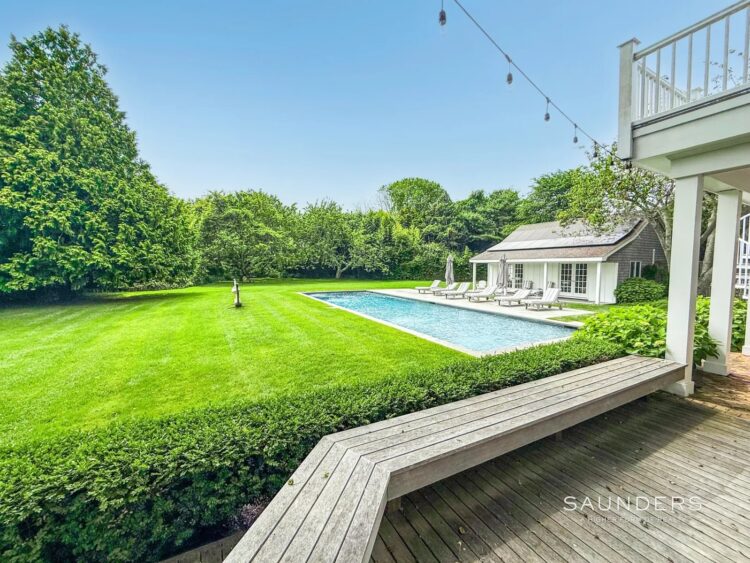
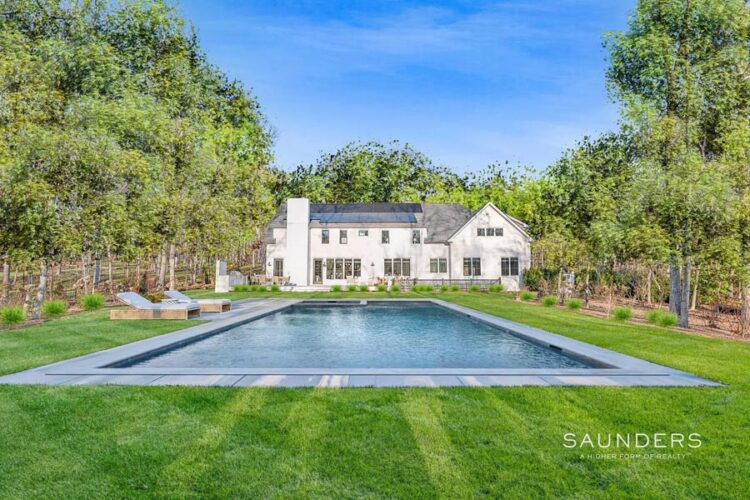
Enjoy long summer days and warm summer evenings in the estate section of Southampton Village. Just one mile from both the ocean and the heart of the village center, this 1.3 acre property faces west, providing the exterior entertaining spaces...
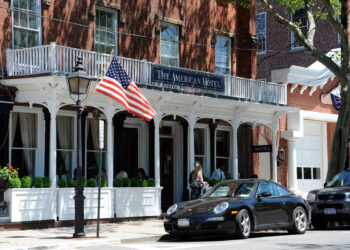
For more than 50 years, Ted Conklin owned the American Hotel, welcoming generations of patrons, both loyal regulars and first-time visitors. In an interview with this Hamptons.com author years back, Mr. Conklin detailed his journey to owning the American Hotel...

Check out the top Hamptons events this weekend!

I have been studying the numbers for my own edification, and Sag Harbor has one of the most fascinating five-year stories on the entire East End. When I look at Sag Harbor, I do not just see appreciation. I see...

The Happening in the Hamptons Podcast by Saunders & Associates is a weekly discussion covering all things Hamptons — from local events to in-depth real estate market analysis. This week, Rod Cummings discussed great buys and AI in the Hamptons.

The biggest event in American sports is upon us, and what better way to experience the excitement of the Super Bowl this Sunday, February 8th at 6:30 pm than to be surrounded by fellow fans, great food, and ice-cold drinks?

Over the past week, there were 25 Listings that went into contract from Westhampton to Montauk. Compared to this same week last year (2025), there were 23 Listings that went into contract. Which is a year over year INCREASE of 9%.

Get ready to kick off HarborFrost in style this February with a weekend full of exciting events, from sparkling ice sculptures to breathtaking fireworks! The festivities begin Friday, February 6, with the Taste of Sag Harbor at the Sag Harbor...
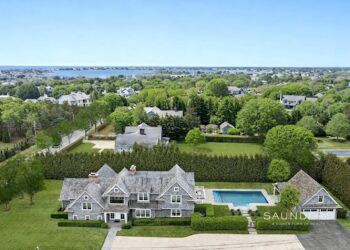
Located south of Quogue Street in the heart of coveted Quogue Village, this extraordinary custom-built estate presents a rare opportunity to own a truly chic and quite distinctive Hamptons retreat.

The East End has long been a vital fishing and agricultural region, where communities have relied on the land and water for generations. Today, environmental shifts and pressures increasingly threaten these traditions. Regeneration: Long Island’s History of Ecological Art and...
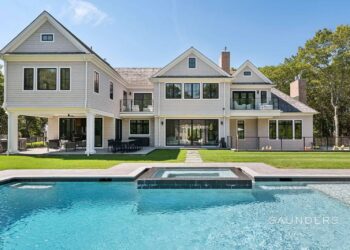
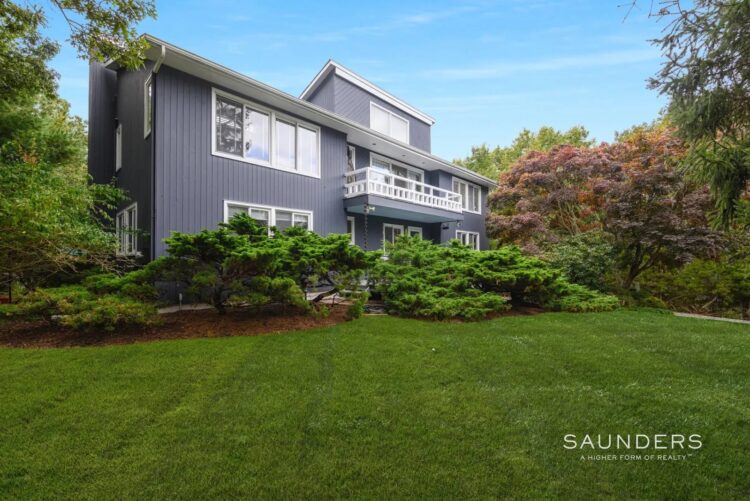
At the end of a peaceful cul-de-sac and bordered by scenic reserve, this stunning recent construction offers the ultimate Hamptons retreat-sophisticated, serene, and superbly appointed.

American Heart Month is often marked by bold red clothing, but this February, Saunders & Associates is giving the moment deeper meaning with a community-centered evening focused on education, connection, and action. On Friday, February 27 at 5:30 p.m., the...

Beautifully appointed south-of-the-highway rental in Sagaponack. Features include six bedrooms - all en suite with a junior primary on the first floor, media room, formal living and dining room, office and a gourmet kitchen. Outdoors enjoy the heated gunite pool,...

Film and Television Line Producer and Springs resident Jonathan Shoemaker brings his talents to the East End with his theater company, The Accabonac Theater Project. Its inaugural production, This Land Is Your Land, will run January 30 through January 31...
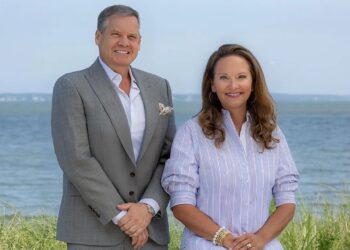
The Happening in the Hamptons Podcast by Saunders & Associates is a weekly discussion covering all things Hamptons — from local events to in-depth real estate market analysis. This week, Ed Gaetjens and Jennifer Robertson discussed the low inventory in...

Training for the NYC Half Marathon has a funny way of putting life into perspective, especially when you’re doing it from Sag Harbor. I live year-round on the East End, and most weeks my training happens outdoors. Each run stretches...
Over the past week, there were 19 Listings that went into contract from Westhampton to Montauk. Compared to this same week...
Read moreDetailsSituated in the heart of East Hampton Village, the Mill House Inn showcases an eclectic mix of Hamptons' "Shingle-Style" architecture....
Read moreDetailsEnjoy long summer days and warm summer evenings in the estate section of Southampton Village. Just one mile from both...
Read moreDetailsI have been studying the numbers for my own edification, and Sag Harbor has one of the most fascinating five-year...
Read moreDetailsThe Happening in the Hamptons Podcast by Saunders & Associates is a weekly discussion covering all things Hamptons — from...
Read moreDetailsOver the past week, there were 25 Listings that went into contract from Westhampton to Montauk. Compared to this same week...
Read moreDetails