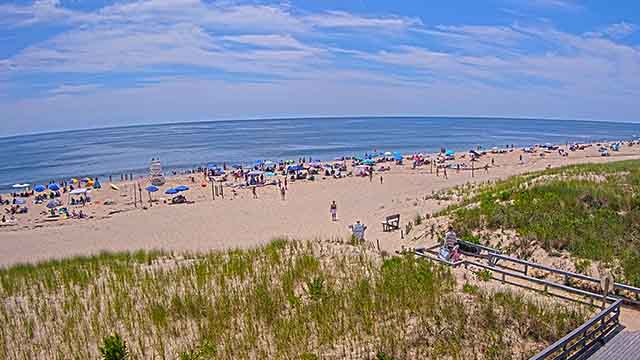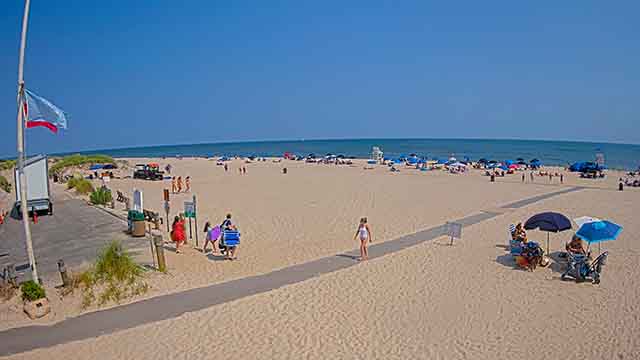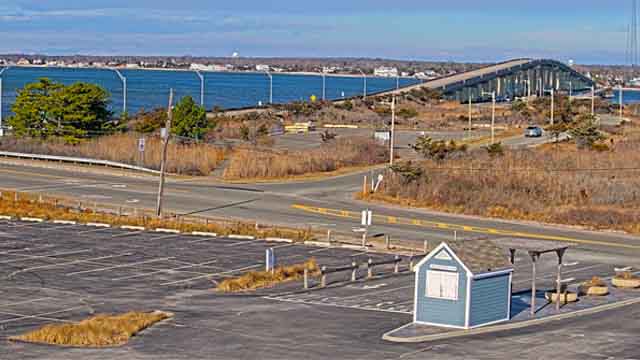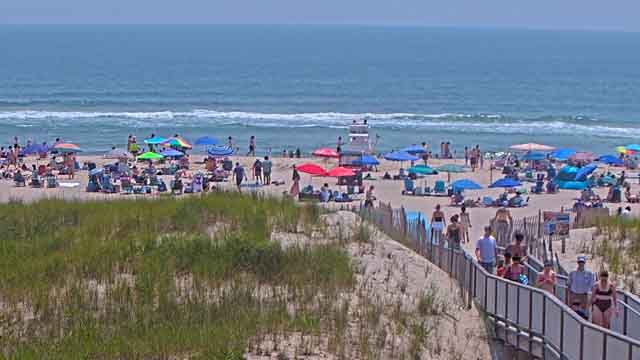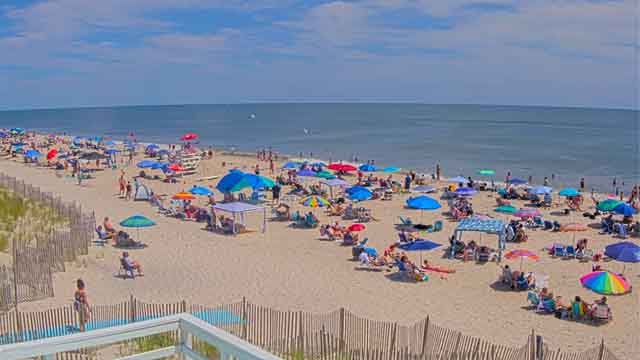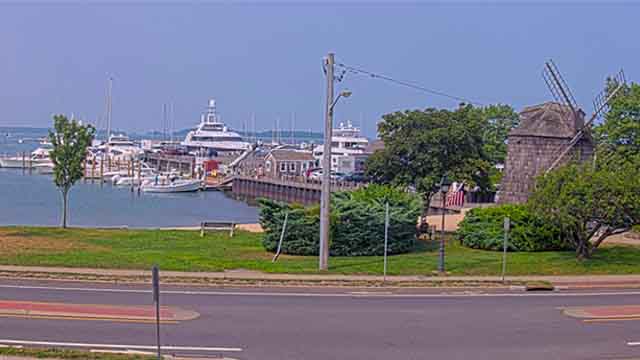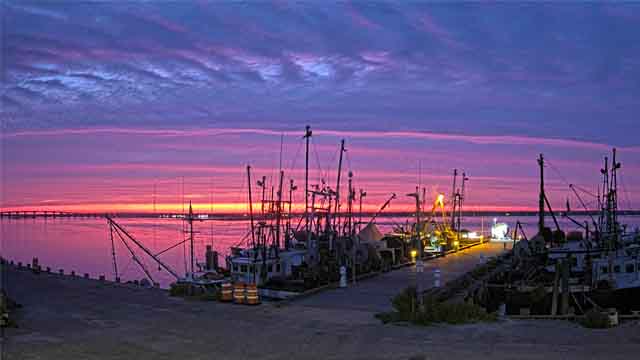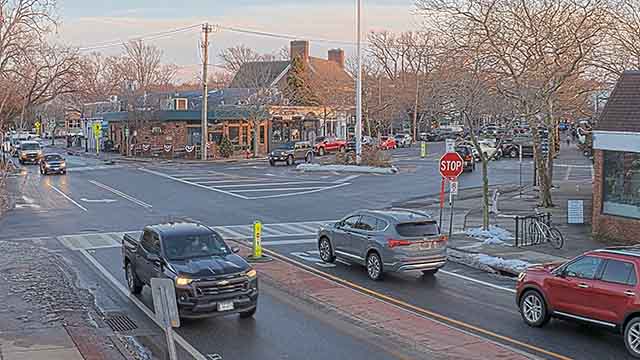
Main Street
Westhampton
































![Sculpture @ Sylvester Manor: [R]evolution](https://hamptons.com/wp-content/uploads/event-manager-uploads/event_banner/2021/07/manor_house-350x350.jpg)
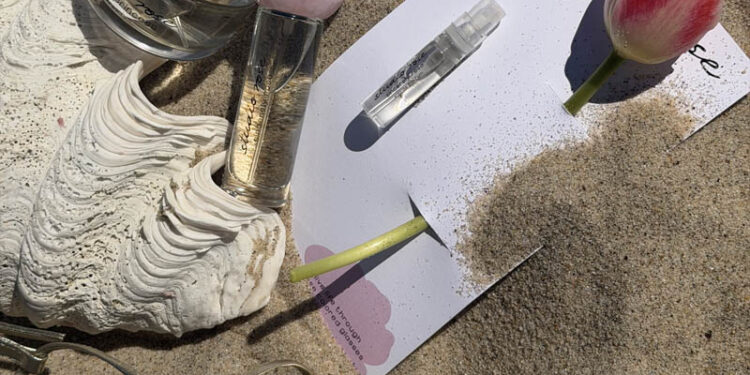
At just 23, Julia-Rose Siegler is reimagining the way her generation experiences fragrance. After graduating from NYU and interning at some of the industry's most respected beauty brands, she launched Studio Rose — a “fragrance wardrobe” designed to celebrate every moment of the day. Having spent summers in the Hamptons since she was a little girl, Siegler spoke with Hamptons.com about building her brand, creating fragrances for every occasion, and finding inspiration Out East.
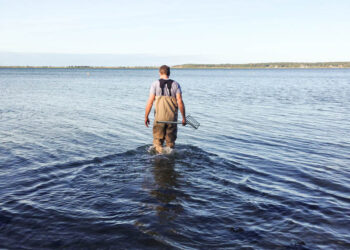
A long-time champion of land conservation and sustainability on the East End, Saunders agent Krae Van Sickle’s green advocacy runs deep. From his early exposure to environmental thinking from a life science teacher mother to traveling to Albany in the...

The 6th Annual East Hampton Emergency Department Luncheon returned to the historic Maidstone Club in East Hampton for a conversation on women's health featuring internationally renowned model and Every Mother Counts Founder and President Christy Turlington Burns, moderated by award-winning...
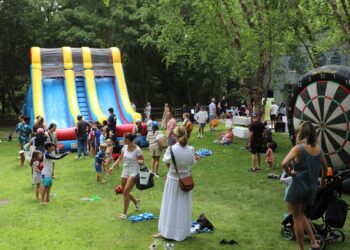
The Hamptons’ biggest family event returns to the Children’s Museum of the East End (CMEE) as it hosts the 16th Annual Family Fair. This year’s theme—Endless Summer—promises a joyful morning filled with arts & crafts, water play, live entertainment, food...
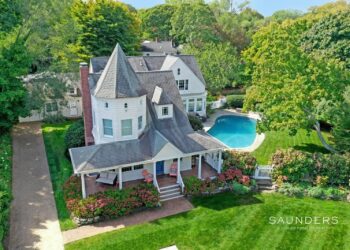
Over the past week, there were 25 Listings that went into contract from Westhampton to Montauk. Compared to this same week last year (2025), there were 25 Listings that went into contract, which is NO CHANGE, year over year. This same week in...
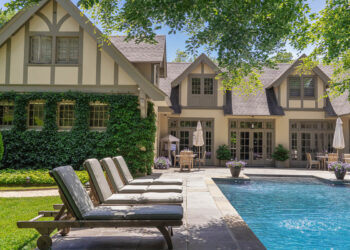
East Hampton Village and The Baker House 1650 share a similar story - a generational escape, shaped with respect, and elevated by modern comfort. Every inch of the property is an homage to the timeless luxury of life in the Hamptons...

There are restaurants that simply serve a meal, and then there are restaurants that create unforgettable memories and experiences. Lulu Kitchen & Bar in Sag Harbor is the latter. I recently stopped in for lunch with my co-worker, Val, and...
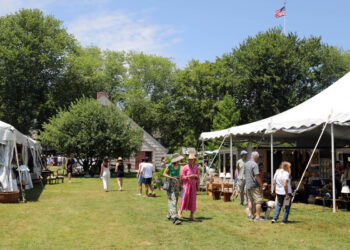
This past weekend, the East Hampton Historical Society held its annual Antiques and Design Show, now in its 20th year, at the picturesque Mulford Farm, welcoming designers, collectors, and supporters from across the region. The beloved event showcases exquisite antiques...
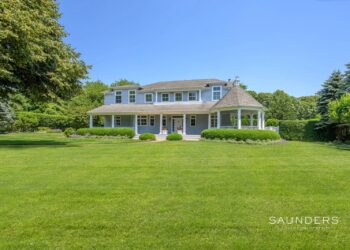
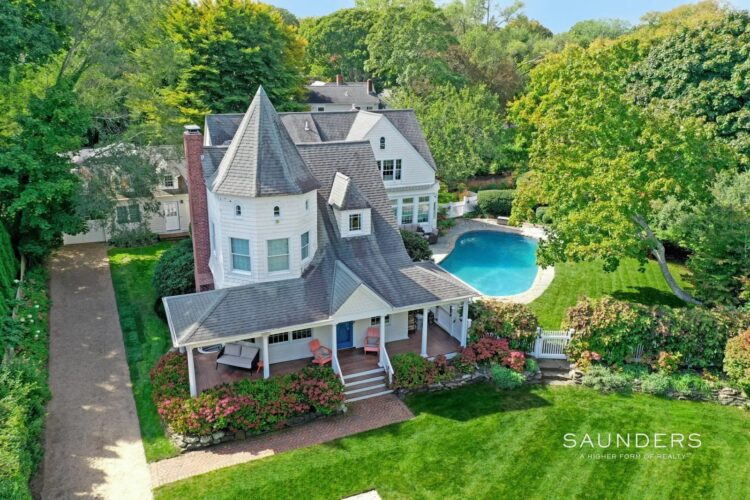
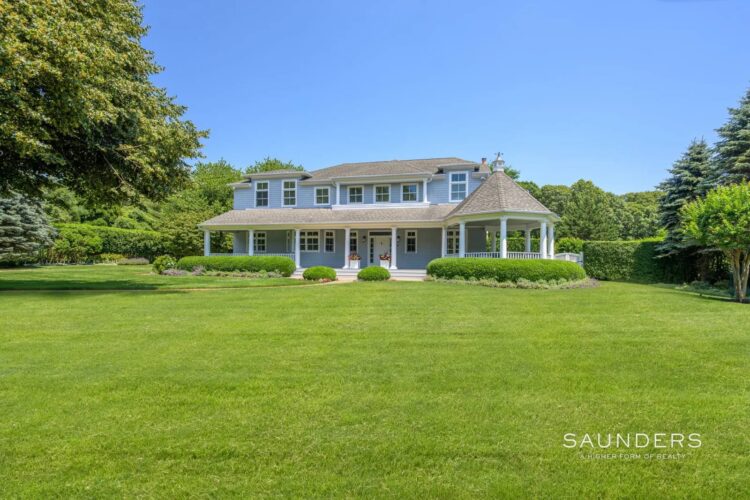
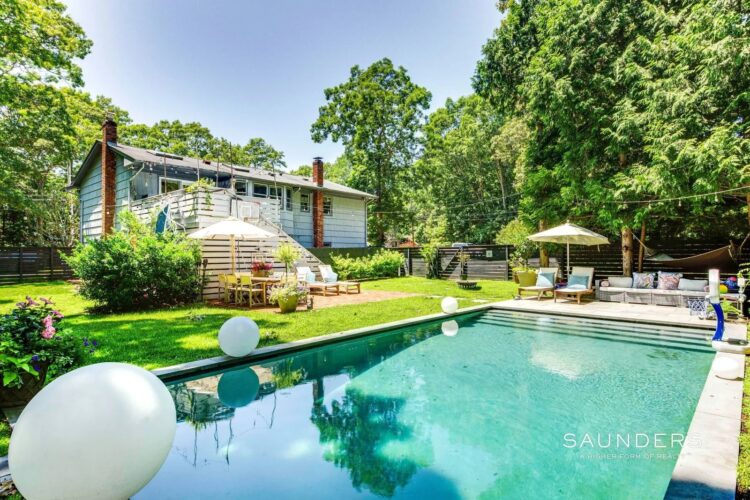
Surrounded by distinguished estate-like properties, this meticulously curated elegant residence offers the quintessential Hamptons lifestyle. Characterized by timeless shingle-style architecture and pristine, professionally designed grounds, spanning 1.35 acres of absolute privacy. Freshly painted in June 2026 from its classic cedar...
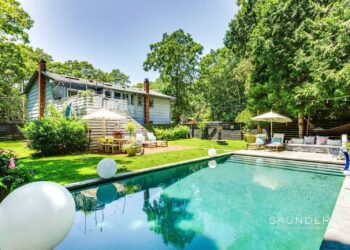
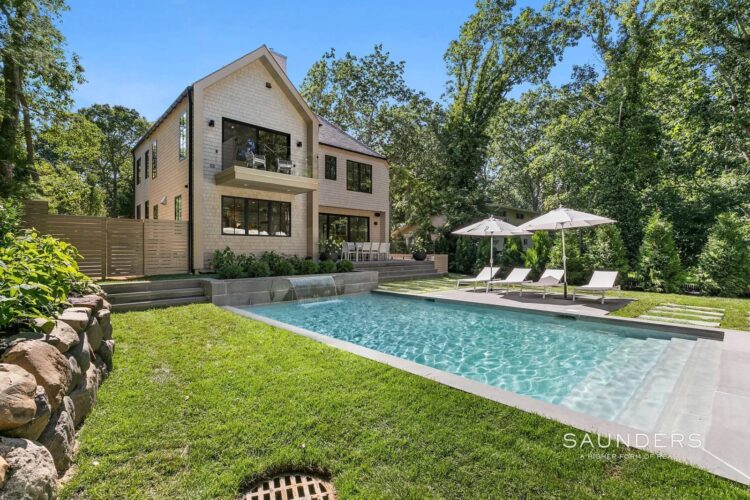
Nestled on a beautifully landscaped 0.46-acre corner lot in the heart of Springs, this impeccably maintained 2,030 square ft. 4-bedroom, 3-bathroom home offers the perfect blend of modern comfort, flexible living, and exceptional indoor-outdoor entertaining. Fully renovated in 2018, the...
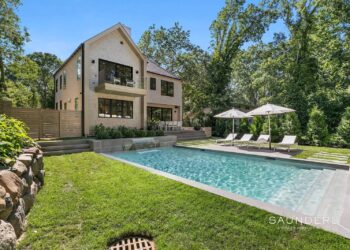
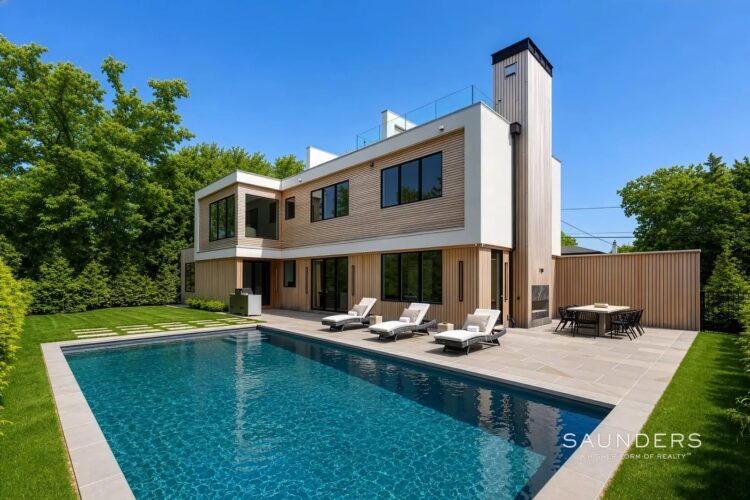
Get ready to enjoy an unforgettable Hamptons Summer experience in this newly constructed Sag Harbor contemporary, just a moments' walk to the powdery sands of (private) Ninevah Beach, complete with mooring rights. This remarkable rental is furnished with chic decorations...
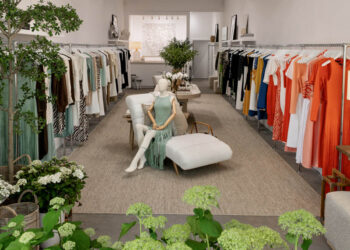
If you've been following the fashion world on social media, chances are TOCCIN has already caught your eye. The label founded by husband-and-wife duo Alex and Michael Toccin has built a devoted following online and an even more devoted one...

What started as a personal idea rooted in love and connection has evolved into a refined jewelry brand that blends meaning with timeless design. Founded by Melanie Bronfman, Stella James was created to offer something more than traditional fine jewelry with pieces that...
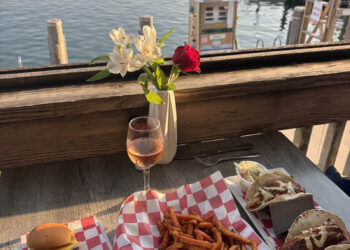
If you only have 12 hours in Montauk, here's exactly where I'd take you. Start the morning at Marram with a coffee and a pastry. Contrary to popular belief, Marram isn't just a beachside hotel — it's also one of...

Check out the top Hamptons events this weekend! From Darren Criss at WHBPAC to the Hamptons fine art fair, which event are you excited for?

This week on Happening in the Hamptons, we’re joined by Vincent Horcasitas, one of the most active brokers on the East End, who has already reached 84 transactions by July and expects to surpass 100 this year. Vince breaks down...
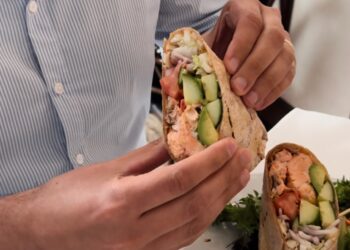
One of the biggest reasons Bobby Vans continues to attract loyal customers is its impressive menu. There is truly something for everyone, with an extensive selection of sandwiches, burgers, salads, soups, and classic favorites. No matter what you are craving,...

The Hamptons is basketball country, thanks to the enduring impact of teachers like Coach Ed Petrie. This Saturday, Long Island Basketball Foundation's fundraiser at The Clubhouse will support Suffolk County student-athletes while honoring one of New York’s most accomplished high...

Over the past week, there were 18 Listings that went into contract from Westhampton to Montauk. Compared to this same week last year (2025), there were 33 Listings that went into contract. Which is a year over year DECREASE of 45%.
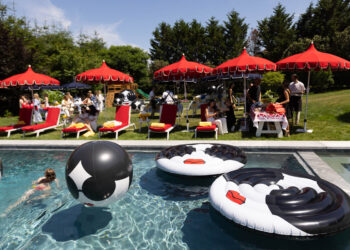
Last week, Stacey Bendet held a stunning poolside celebration at her Watermill home, signaling the official start of the summer season. DJ Jordan Emanuel from Bravo's Summer House kept the energy high while guests sipped on LALO cocktails and Wölffer's...
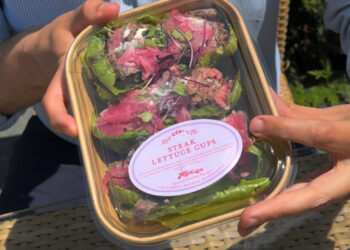
So when I stopped by Round Swamp Farm and grabbed the steak lettuce wraps in an effort to eat healthier, my expectations were somewhere between, "This will be fine," and, "I guess I should just eat a salad."

Karen Testa, the Executive Director/President of "Turtle Rescue of the Hamptons," is excited about holding the first-ever "Summer Gala, in support of its rescue and rehabilitation programs," on July 18th. The outdoor event will be held at Landcraft Garden from 4:30 pm to 7:30 pm. There...

If you are anywhere on the East End, make sure you get to the Bay Street Theater for “Cagney The Musical,” which runs through July 26th. This show is tremendously entertaining on every level. It features superb acting, singing, and...
Over the past week, there were 25 Listings that went into contract from Westhampton to Montauk. Compared to this same week...
Read moreDetailsSurrounded by distinguished estate-like properties, this meticulously curated elegant residence offers the quintessential Hamptons lifestyle. Characterized by timeless shingle-style architecture...
Read moreDetailsNestled on a beautifully landscaped 0.46-acre corner lot in the heart of Springs, this impeccably maintained 2,030 square ft. 4-bedroom,...
Read moreDetailsGet ready to enjoy an unforgettable Hamptons Summer experience in this newly constructed Sag Harbor contemporary, just a moments' walk...
Read moreDetailsThis week on Happening in the Hamptons, we’re joined by Vincent Horcasitas, one of the most active brokers on the...
Read moreDetailsOver the past week, there were 18 Listings that went into contract from Westhampton to Montauk. Compared to this same week...
Read moreDetails