Main Street
Westhampton

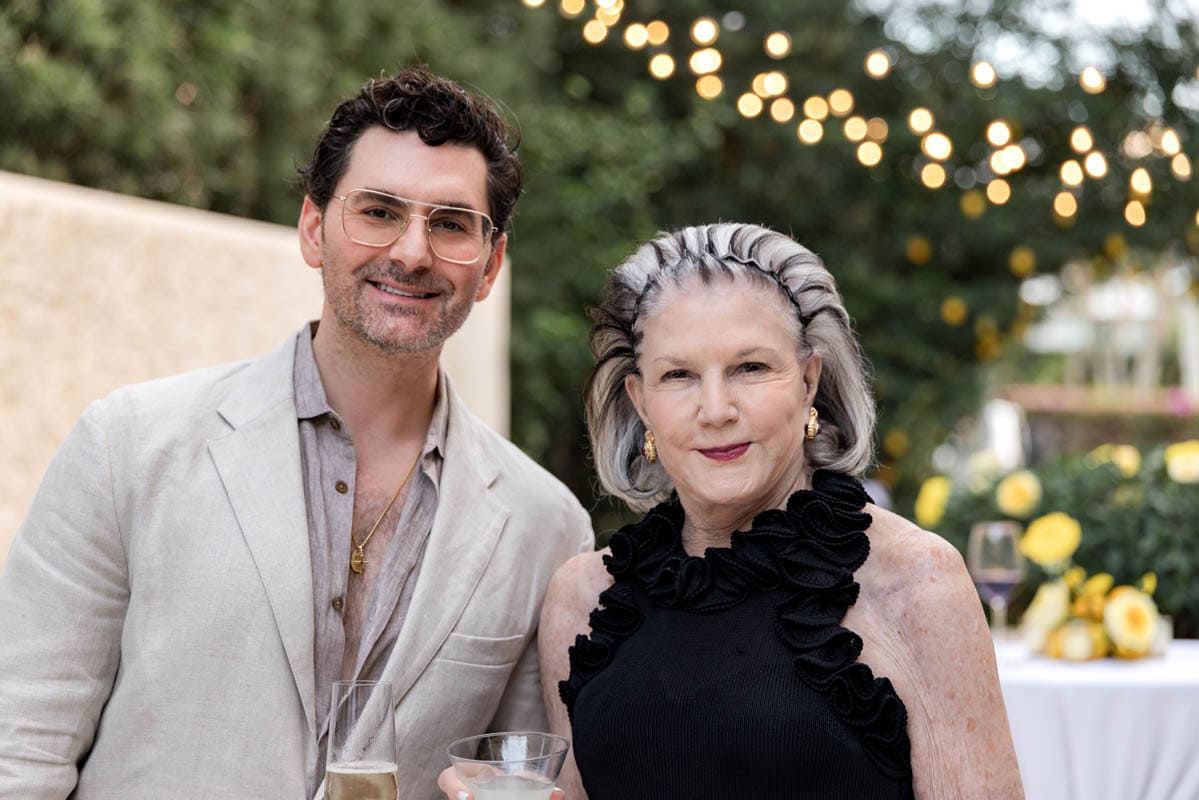






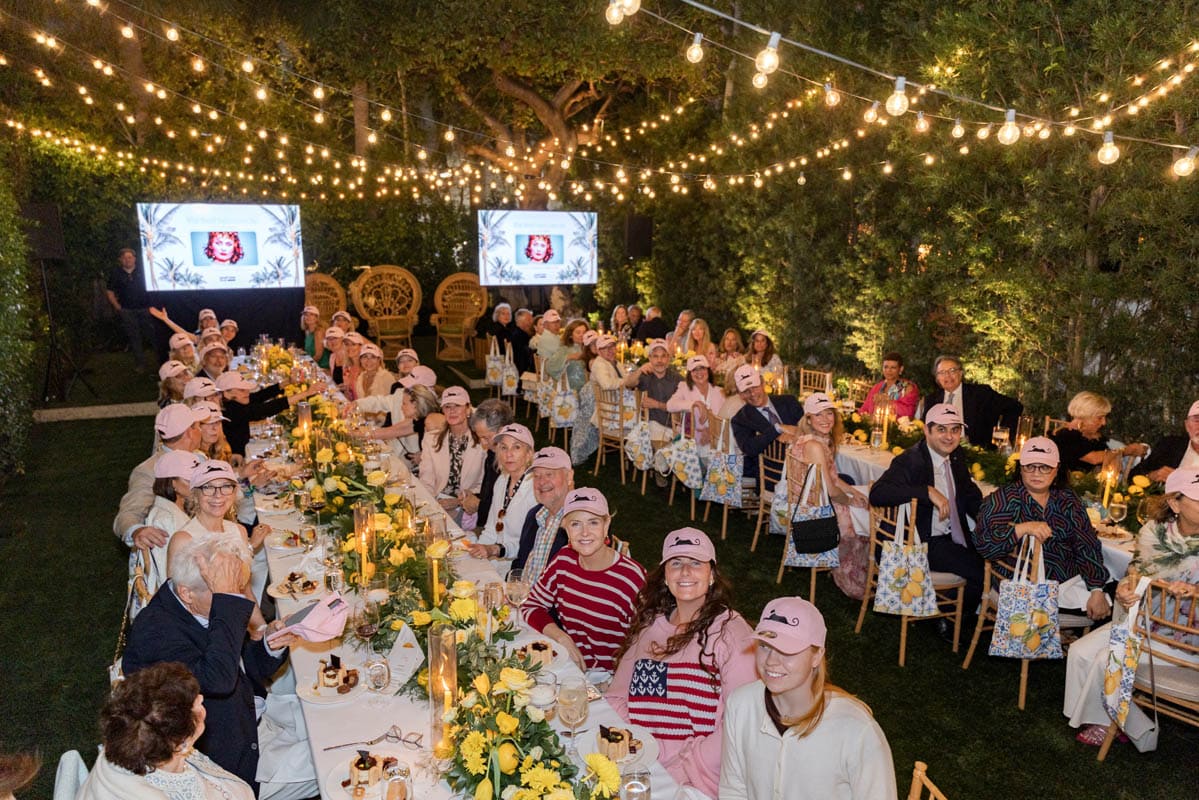







Empire of the Atlantic is a breathtaking taste of what everyone loves about the magic of the waters off the East End, specifically Montauk. Jeff Ragovin, Founder and CEO of Ragovin Ventures, is the executive producer through Bounty Uncharted Productions and assembled a team to bring the project to fruition.

On April 20th, the Philippine Center in New York held an opening reception for its latest photographic exhibit, "Vibrant Depths," showcasing the Philippines' marine biodiversity. The featured artist is Rob Rich, a celebrity photographer in New York City and the...

Check out the top Hamptons events this April weekend!

Aaron Goldschmidt is the founder & director of the Shine Studio located at 977 Bridgehampton-Sag Harbor Turnpike in Bridgehampton. He was kind enough to talk about Adam Baranello’s current exhibition, The Lost Works, at The Shine Studio, which runs until the end of April. The...

The Happening in the Hamptons Podcast by Saunders & Associates is a weekly discussion covering all things Hamptons — from local events to in-depth real estate market analysis. This week, Kristin Regan and Alex Green joined and discussed learning AI...

The Arts Center at Duck Creek is set to host their fourth annual Airing of the Quilts on Saturday, May 2 from 12 to 5 p.m., with a rain date of Sunday, May 3. All are welcome to participate in airing...
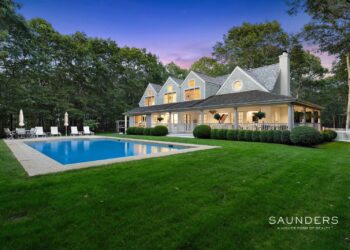
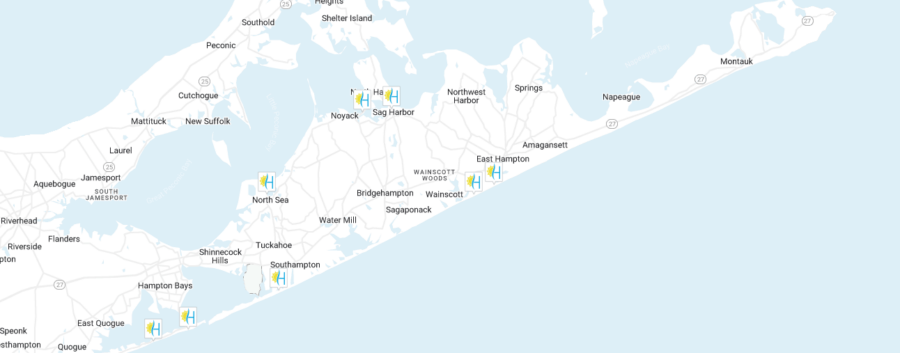
Over the past week, there were 18 Listings that went into contract from Westhampton to Montauk. Compared to this same week last year (2025), there were 28 Listings that went into contract. Which is a year over year DECREASE of 36%.

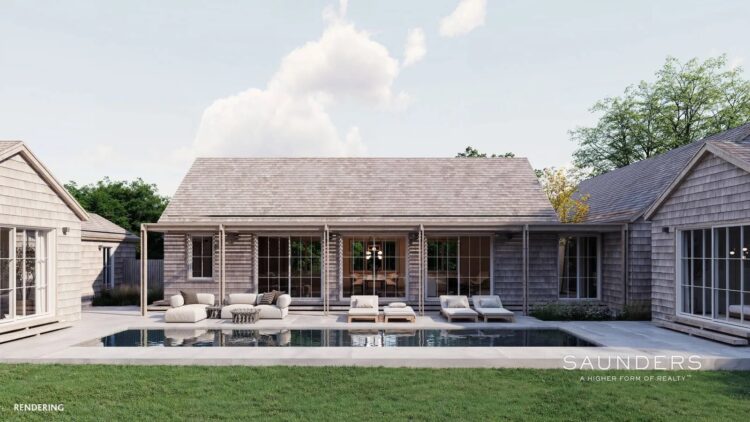
New construction in the heart of Southampton Village. Designed by WE Plus Design and built by Corbel Developments with intentional, thoughtful detailing at every turn, this 7-bedroom, 8.5-bath home delivers luxury single-level living rarely found at this scale.
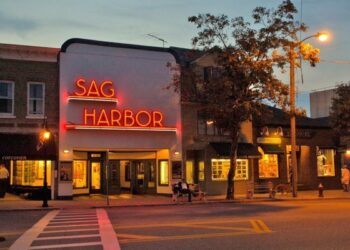
The Sag Harbor Cinema Arts Center and its Board of Directors have unanimously approved the appointment of Mark Lubell as its new Executive Director, following a national search conducted by PBR Executive Search.
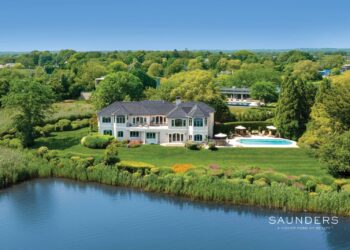
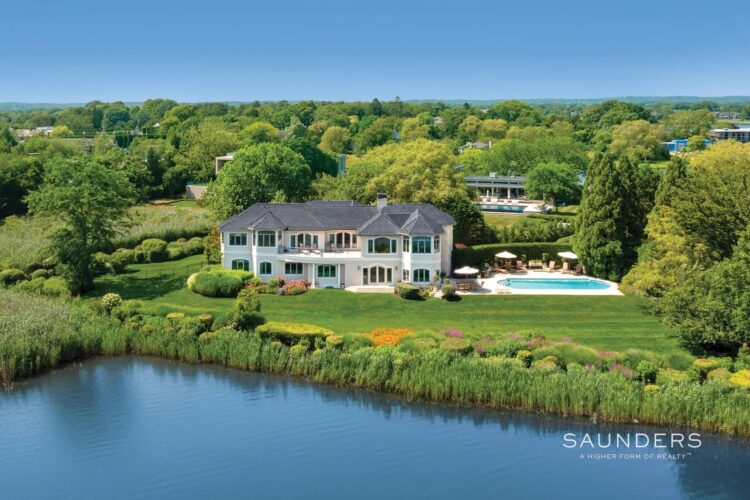
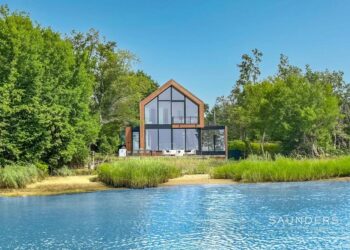
Wrapped in breathtaking views over Mecox Bay and the Atlantic Ocean, this perfectly positioned waterfront estate delivers the very best of coastal contemporary luxury in the Hamptons. Located South of the Highway in Water Mill, 54 Cobb Isle Road is...

A wonderful production of To Kill a Mockingbird is being produced in Riverhead. This classic play is an important piece of American literature. Many know of Gregory Peck’s performance as Atticus Finch in the movie. East End icon, Matthew Conlon,...
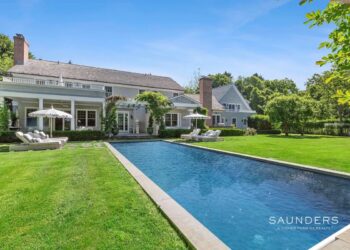
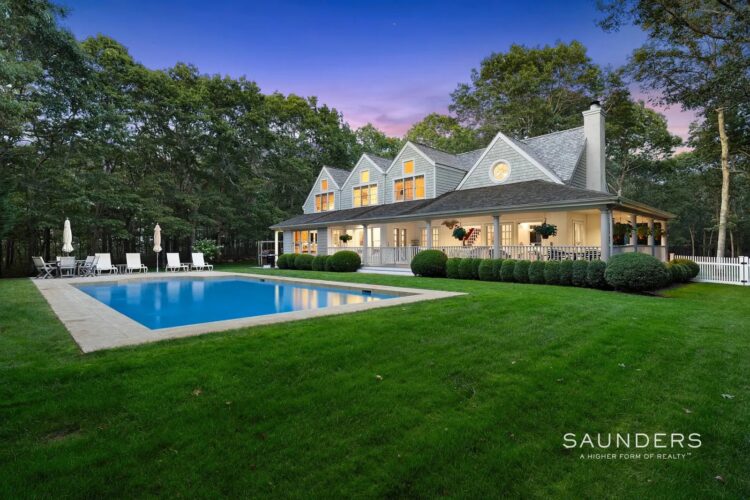
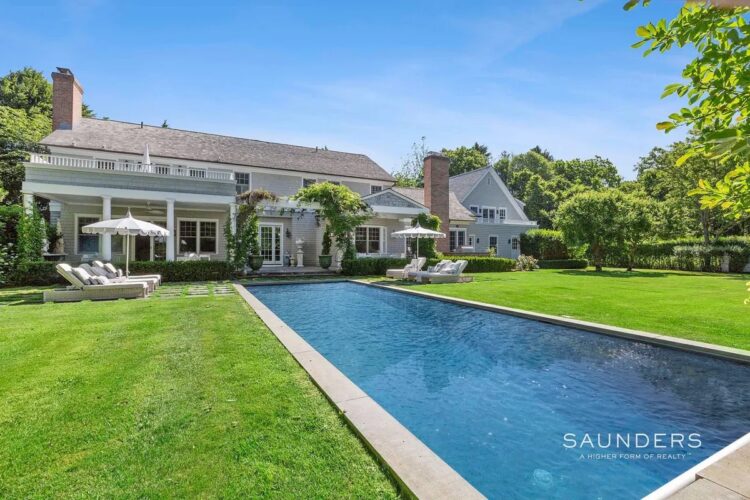
Located in the highly sought-after Georgica section of East Hampton Village, this recently renovated six-bedroom traditional home is the perfect luxurious summer rental.

ID Hot Yoga has quickly become a go-to destination for movement and mindfulness in New York City and on the East End, offering a modern, high-energy take on traditional yoga. Co-founded by Kelly Isaac and Tricia Donegan, the studio blends heat,...

2025 Long Island Restaurant Week: Spring Edition starts on Sunday, April 27th, and ends on Sunday, May 4th. Enjoy delicious 3-course meals at your favorite restaurants on Long Island. Check out the list below and plan the perfect dinner date.

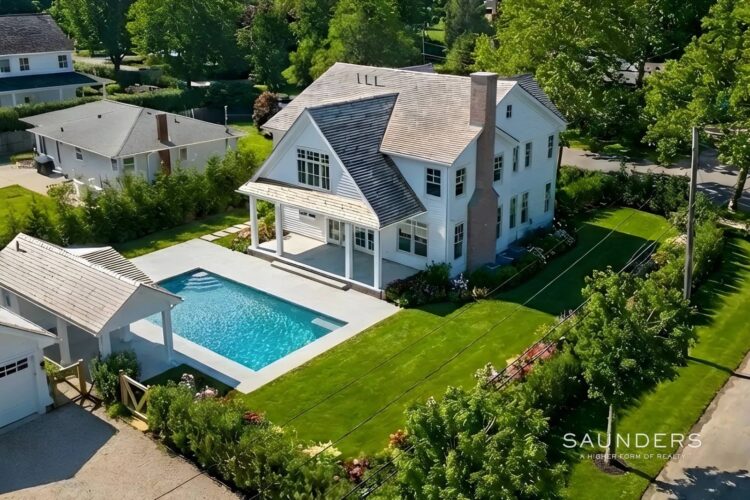
109 David Whites Lane, Southampton, is a rare, turnkey new construction in Southampton Village—with a heated gunite pool and pool pavilion. Traditional Hamptons architecture meets a clean, contemporary sensibility, delivering a polished, indoor-outdoor lifestyle that’s ready for Summer 2026 and...
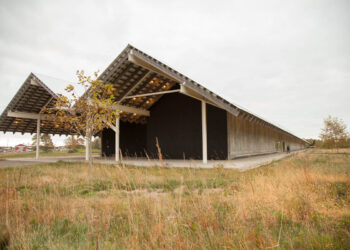
As the spring season takes root, it’s a good time to reflect on the literal "solid ground" that makes the east end so exceptional. This isn't just about the real estate market; it’s about the soil, the water, and the...

The Happening in the Hamptons Podcast by Saunders & Associates is a weekly discussion covering all things Hamptons — from local events to in-depth real estate market analysis. This week, the Oakley-Leicht Team joined and discussed the hidden tools to...
Over the past week, there were 30 Listings that went into contract from Westhampton to Montauk. Compared to this same week last year (2025), there were 23 Listings that went into contract. Which is a year over year INCREASE of 30%.

On April 18th, rain or shine, the Fourteenth Annual Katy’s Courage 5K will be held in Sag Harbor. On race day, registration and check-ins will take place from 7am to 8:15 a.m., and the run will begin promptly at 8:30...
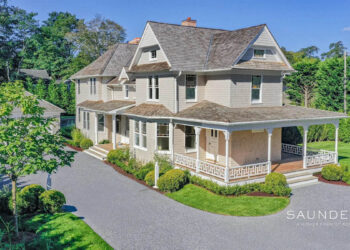
A masterclass in architectural restoration and design, The Van Brunt Home is a rare convergence of timeless elegance and modern refinement. This meticulously reimagined, newly built Queen Anne residence pays homage to its storied Hamptons heritage and provenance while embracing...

Charlie Fox is the first Hamptons dispensary to fully lean into correcting cannabis misunderstandings and helping its customers ease into the experience. Charlie Fox allows you to book an appointment (in-person or online) with their experts to pair each p
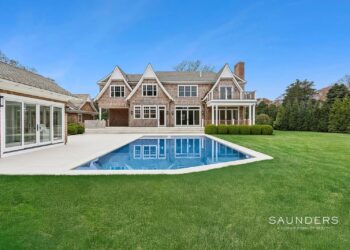
Discover unparalleled new construction luxury located South of the Highway in East Hampton Village at 73 Jericho Road, a prestigious haven for elegance and comfort. Built by Konner Development and sited on a shy acre, this property offers 7,442 +/-...

For decades, Ross School has reimagined the educational experience, blending interdisciplinary learning, global awareness, and creative exploration into an academic setting on the East End. Founded in 1991 on the belief that education should reflect the complexity of the world, the school’s...
The Happening in the Hamptons Podcast by Saunders & Associates is a weekly discussion covering all things Hamptons — from...
Read moreDetailsOver the past week, there were 18 Listings that went into contract from Westhampton to Montauk. Compared to this same week...
Read moreDetailsNew construction in the heart of Southampton Village. Designed by WE Plus Design and built by Corbel Developments with intentional,...
Read moreDetailsWrapped in breathtaking views over Mecox Bay and the Atlantic Ocean, this perfectly positioned waterfront estate delivers the very best...
Read moreDetailsLocated in the highly sought-after Georgica section of East Hampton Village, this recently renovated six-bedroom traditional home is the perfect...
Read moreDetails109 David Whites Lane, Southampton, is a rare, turnkey new construction in Southampton Village—with a heated gunite pool and pool...
Read moreDetails