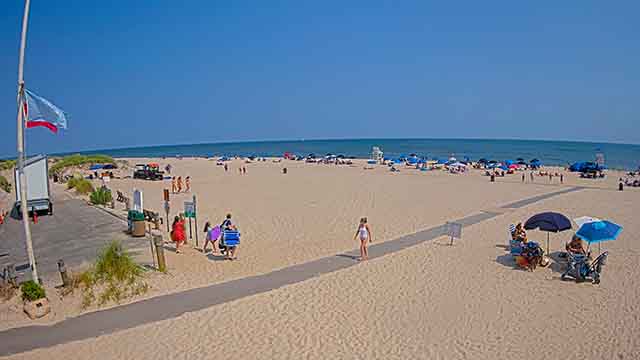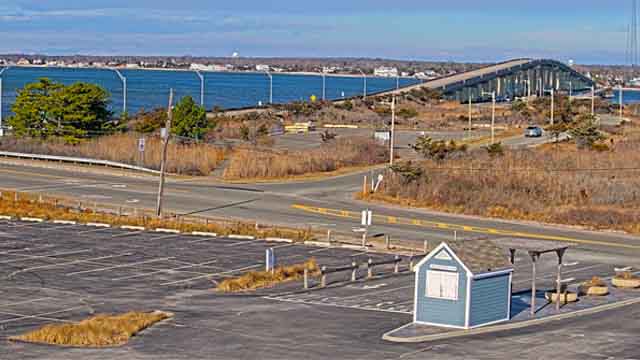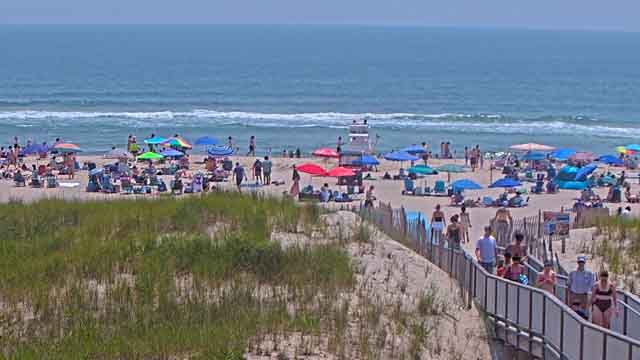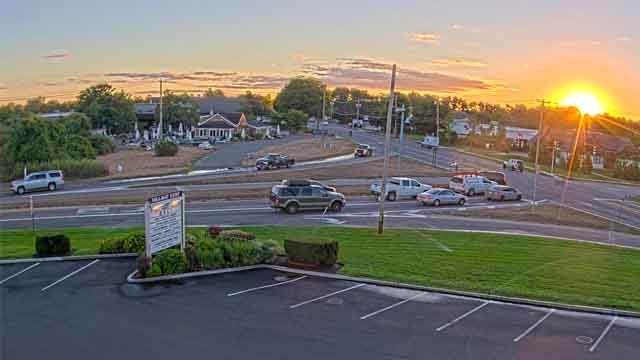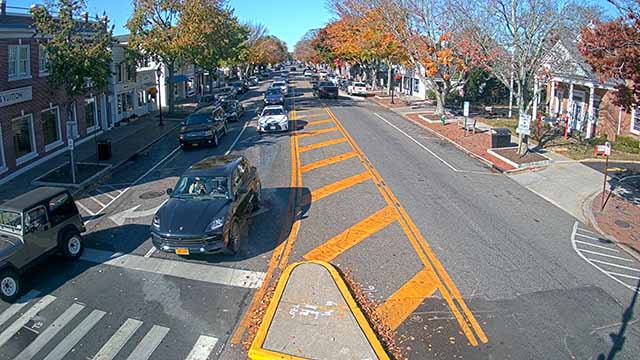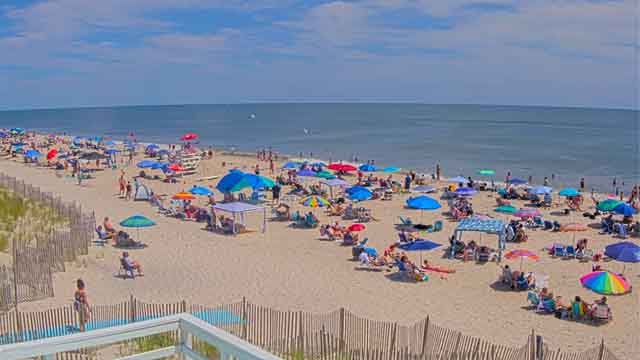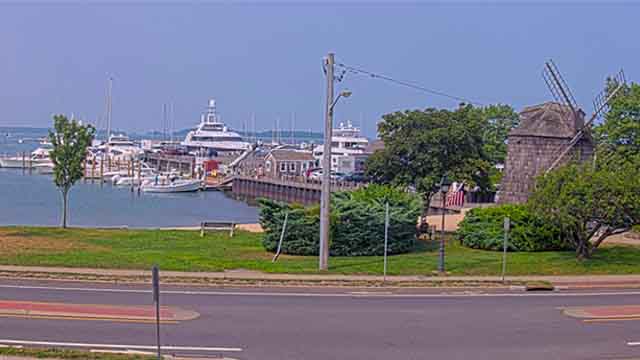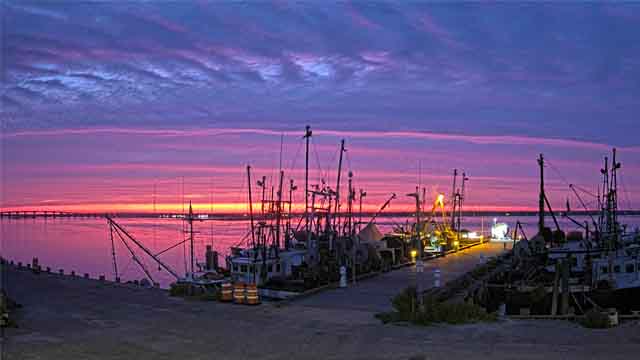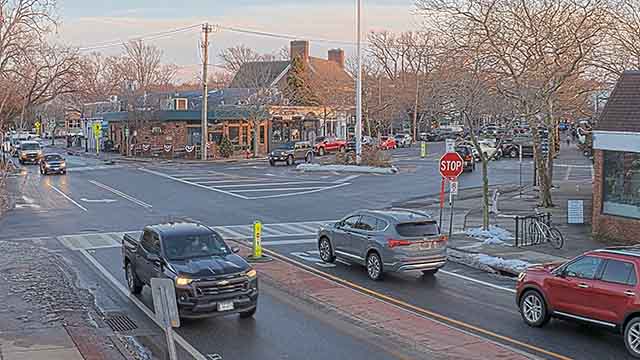
Main Street
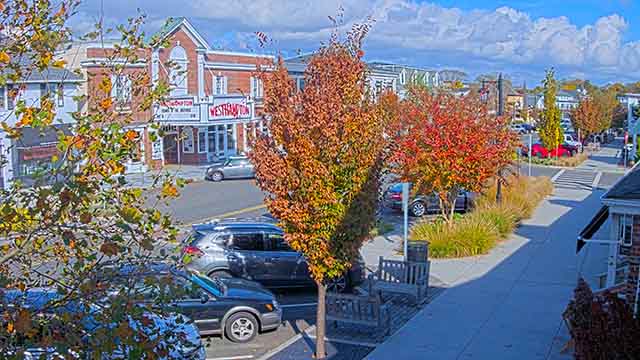
Westhampton
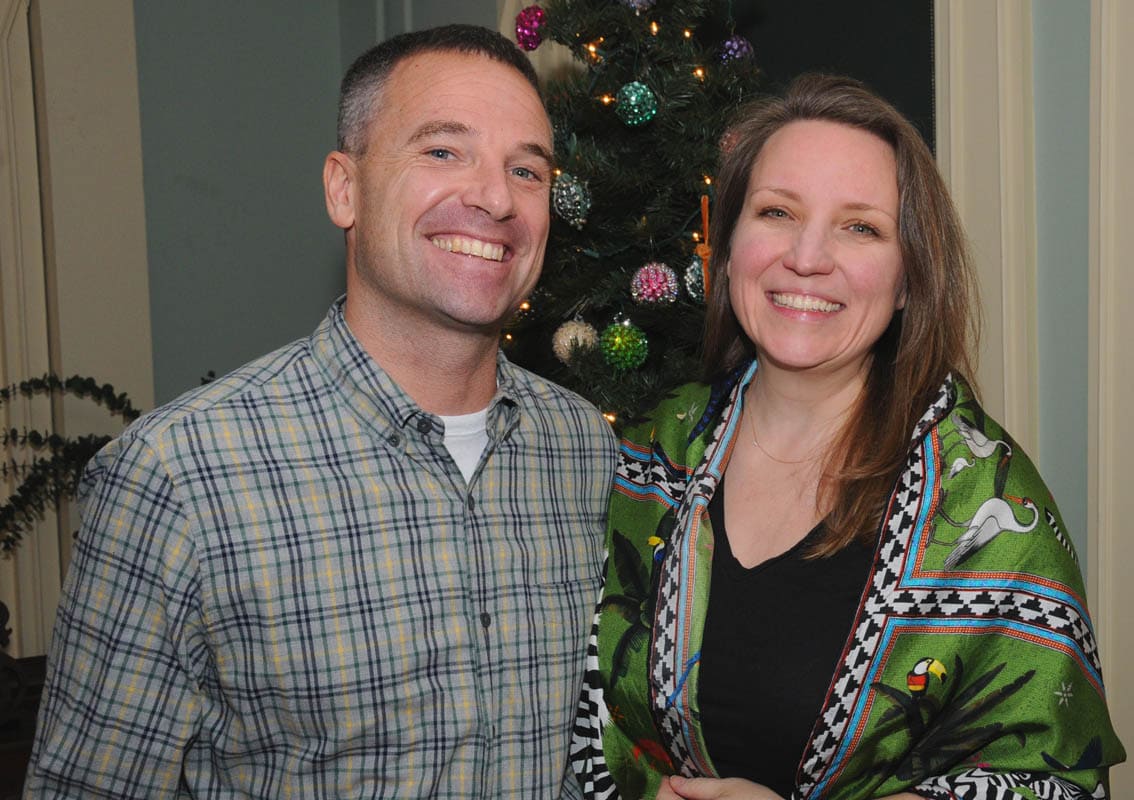
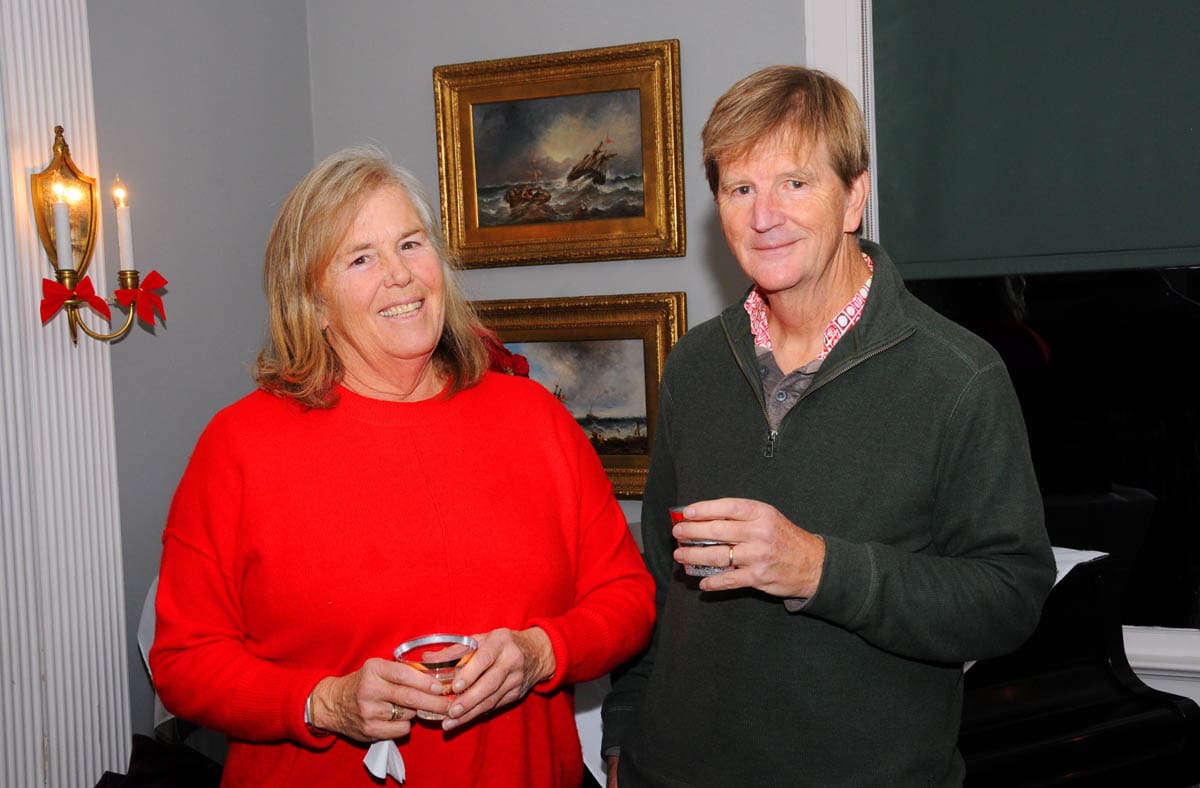
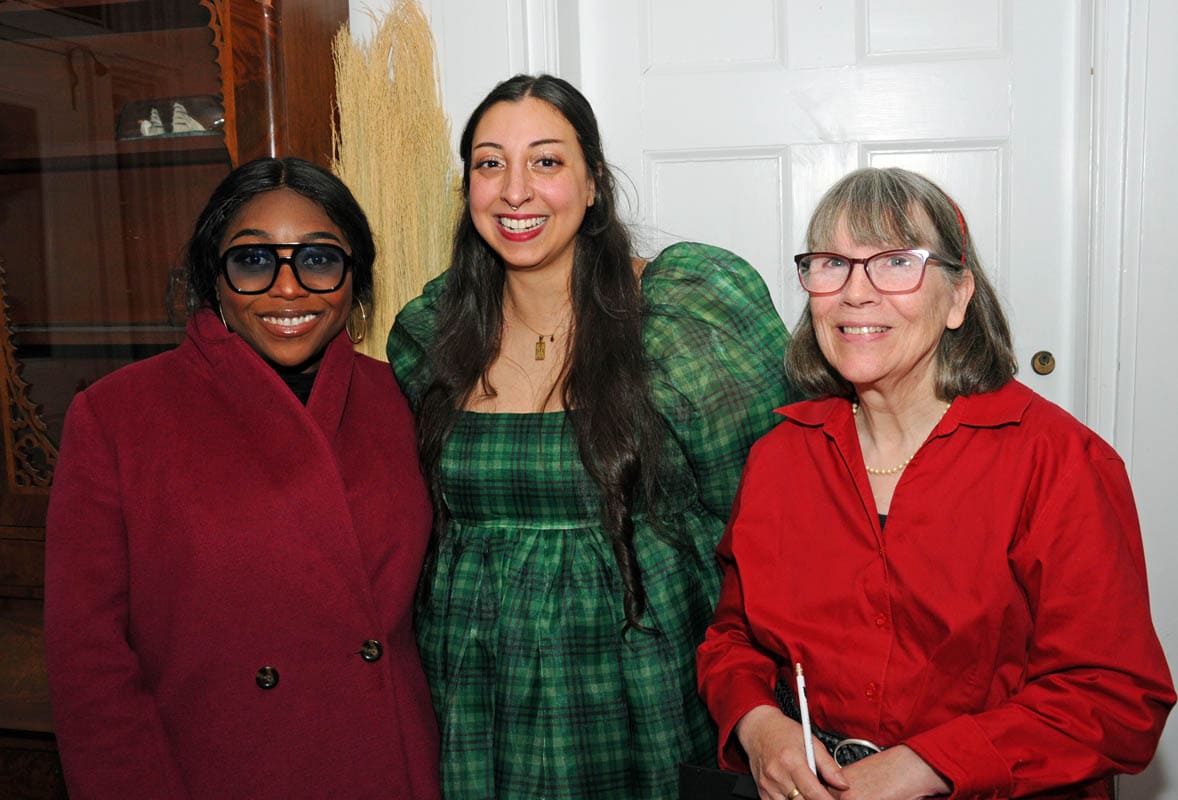
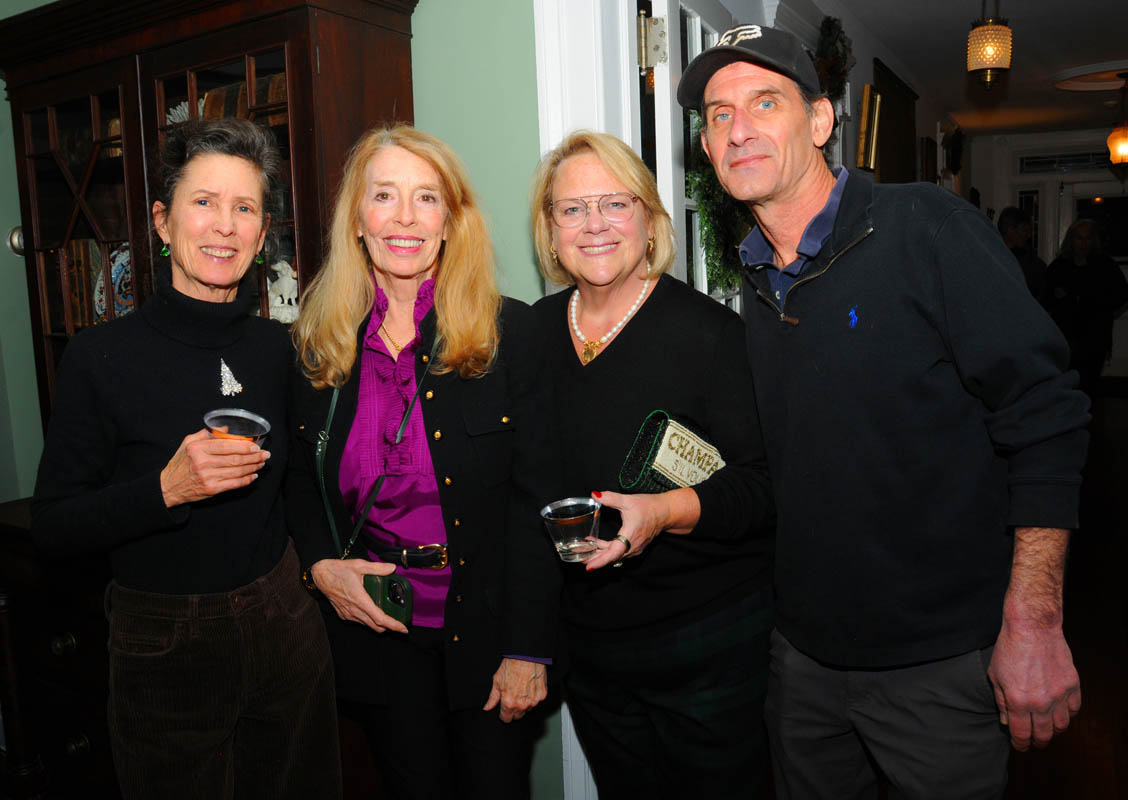
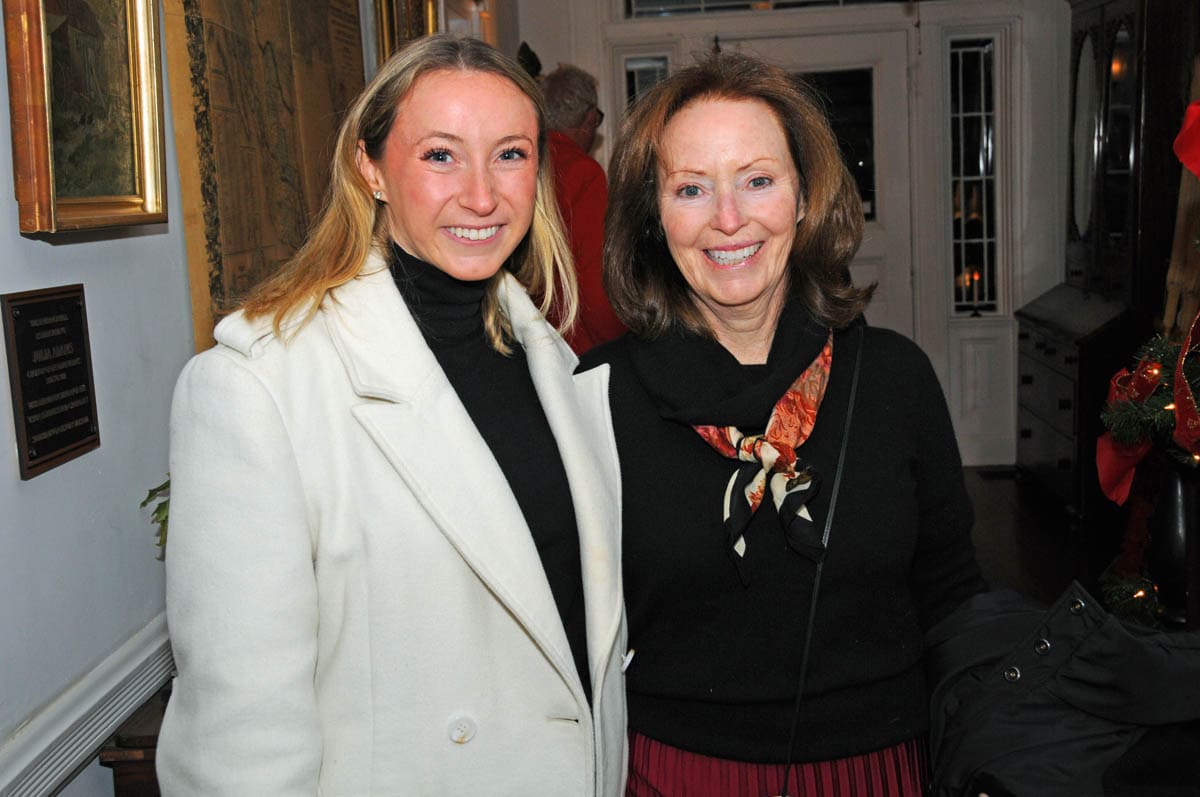
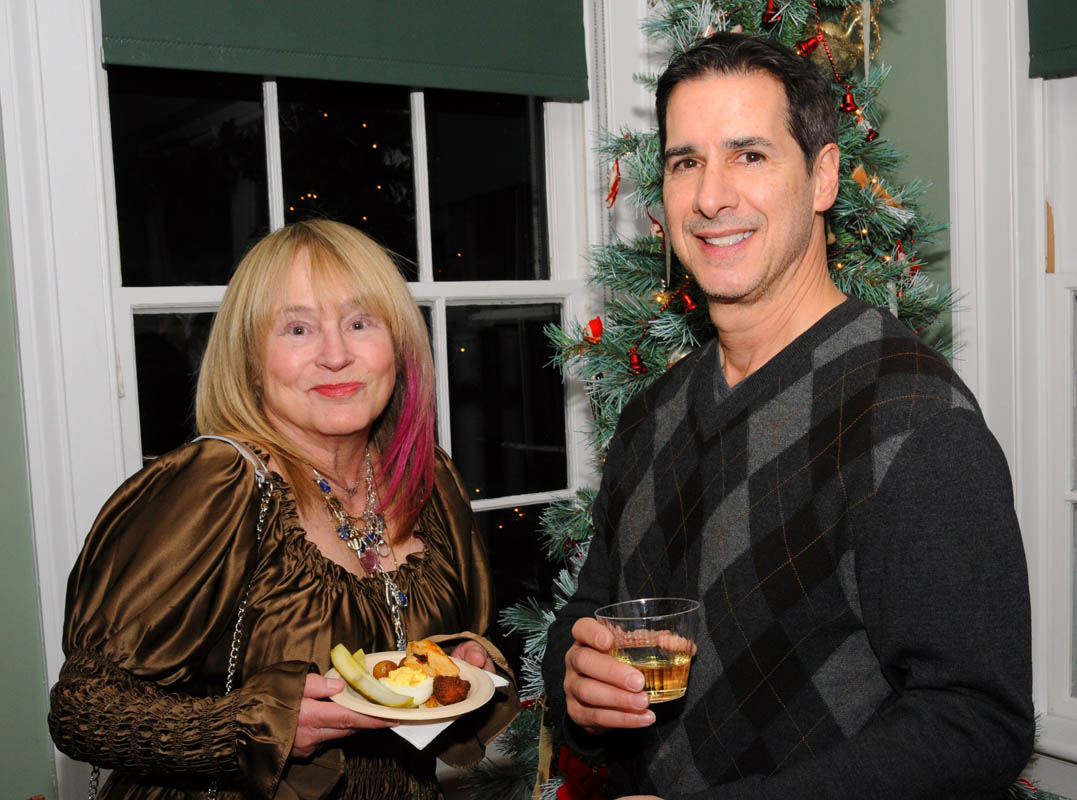
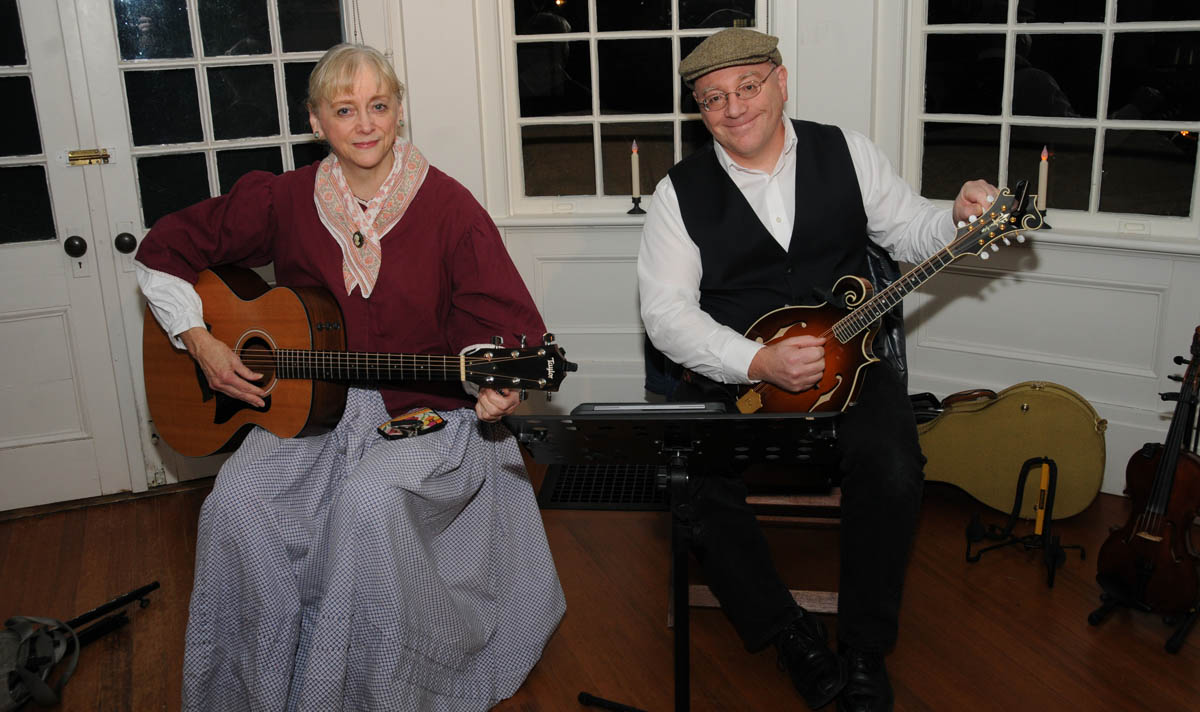
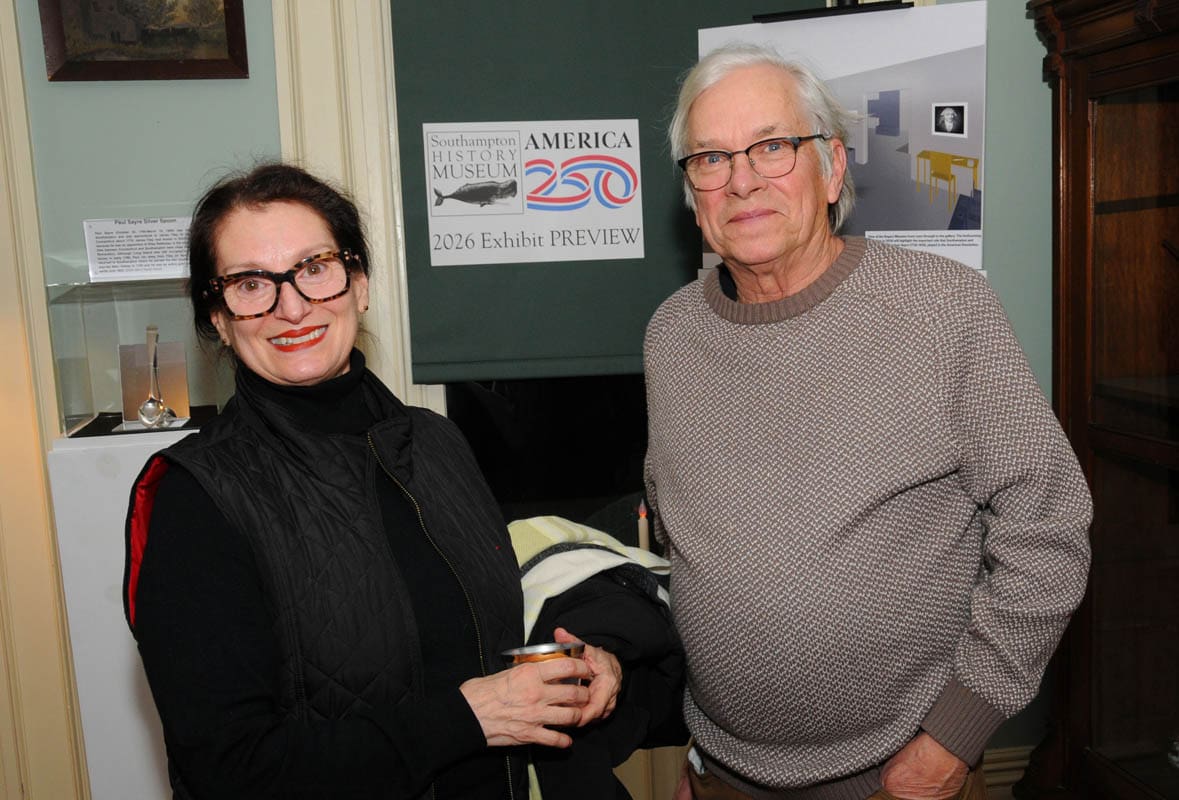
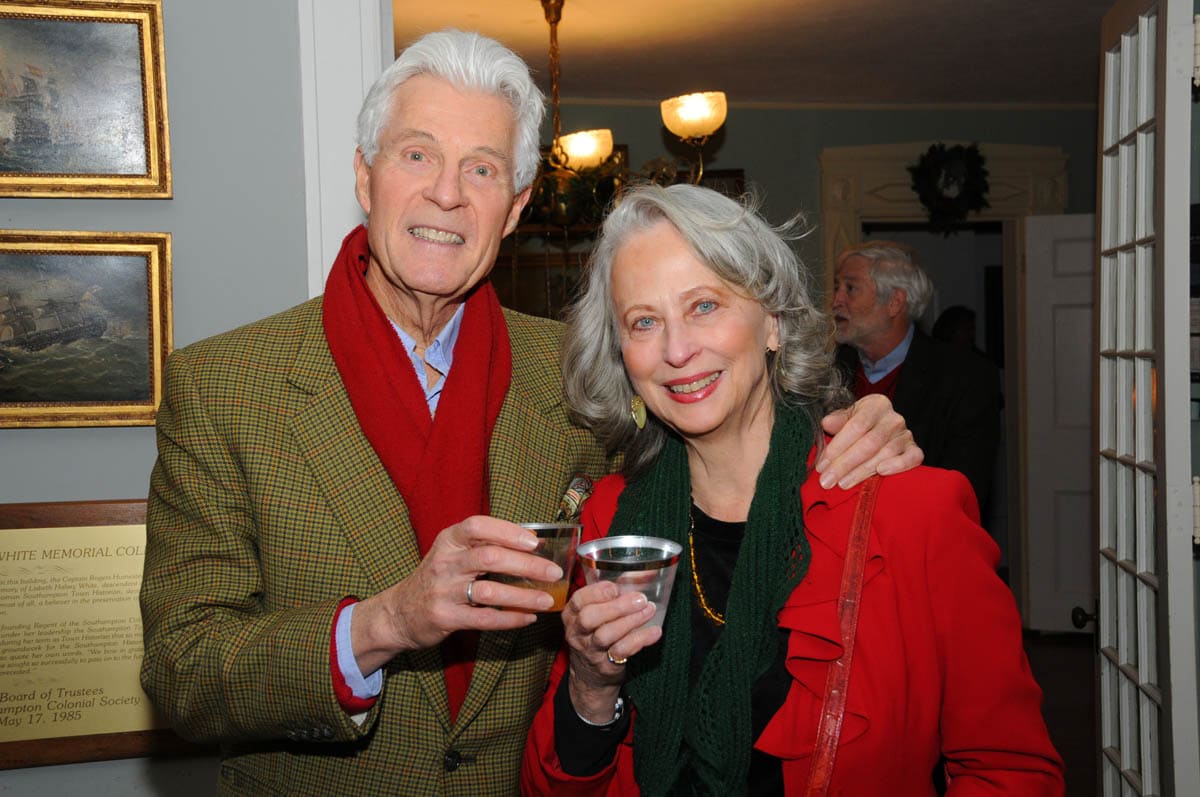
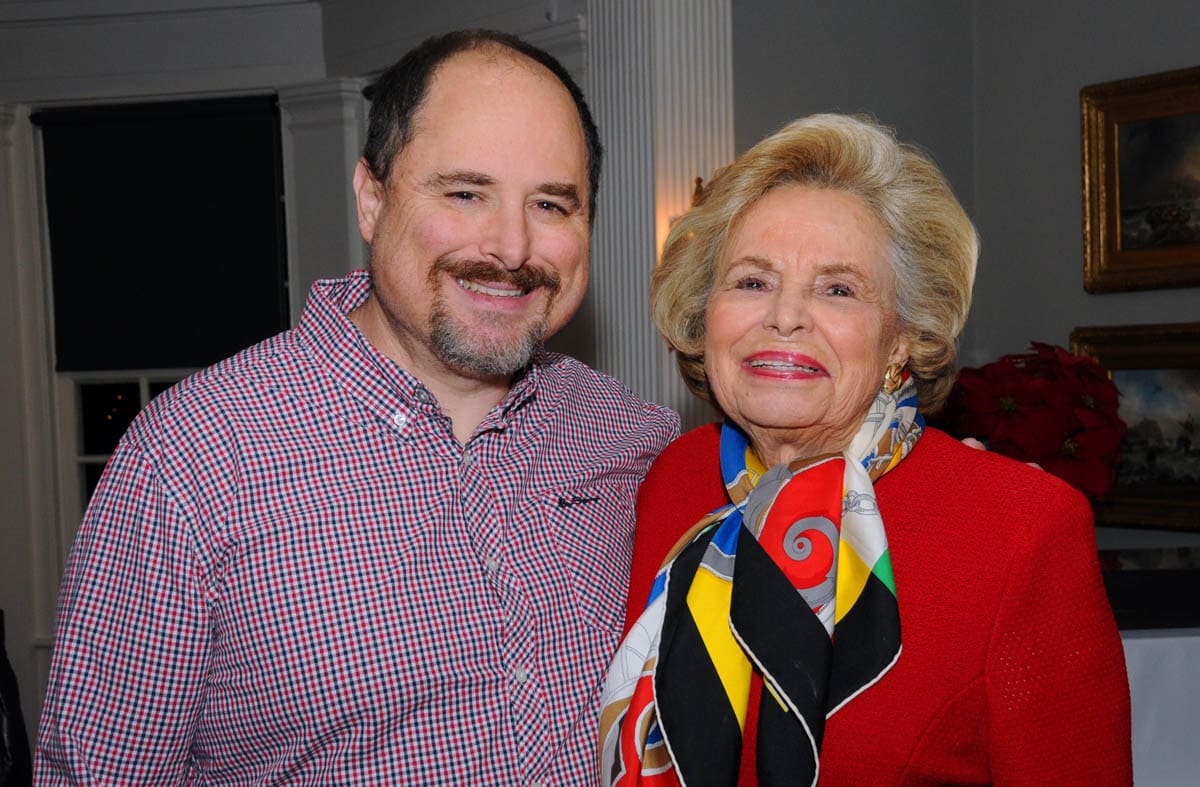
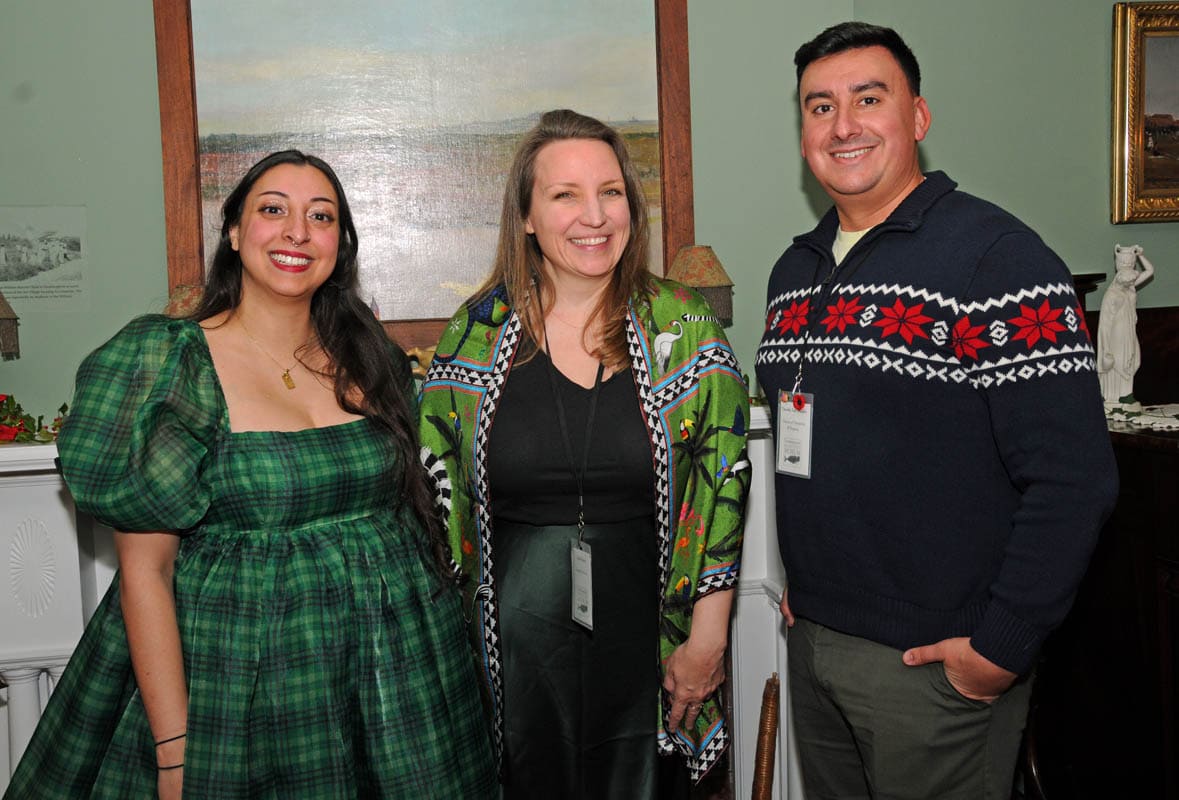

This past week, Share the Harvest Farm welcomed a sold-out gathering of women to Wölffer Estate for its “Share the Love” Galentine’s Wine Charm Workshop, an evening of creativity, connection, and community in support of the farm’s mission to fight food insecurity on the East End.

Brendan Johnston is Southampton Arts Center's (SAC) new artist-in-residence on March 7th and April 9th from 12pm - 5pm. A newly appointed board member at SAC, Johnston studied Art History at McGill University before training in drawing, painting, and sculpture...

HamptonsFilm announced today that submissions for the 34th annual edition of the Hamptons International Film Festival are officially open. The festival will take place October 2 - 12, 2026. The 11-day festival will feature live and in-person screenings and events...

Check out the top Hamptons events this February weekend!
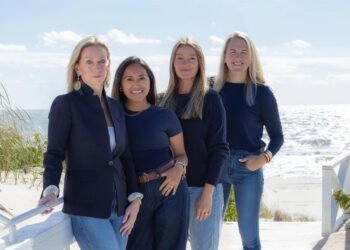
The Happening in the Hamptons Podcast by Saunders & Associates is a weekly discussion covering all things Hamptons — from local events to in-depth real estate market analysis. This week, The Jennifer Wilson Team and Theresa Roden discussed i-tri Girls...

Project MOST has announced the return of their Empty Bowls Event at the Amagansett American Legion Post 419 (15 Montauk Hwy., East Hampton) on Sunday, March 8 from 12 – 3 p.m. An array of soups crafted by talented local...
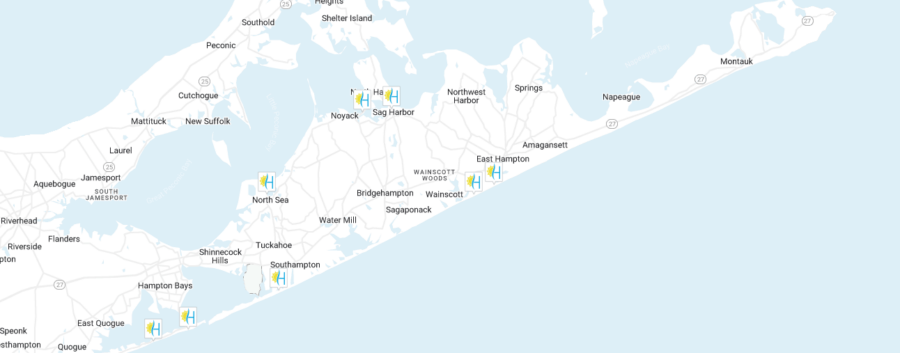
Over the past week, there were 23 Listings that went into contract from Westhampton to Montauk. Compared to this same week last year (2025), there were 32 Listings that went into contract. Which is a year over year DECREASE of 28%.
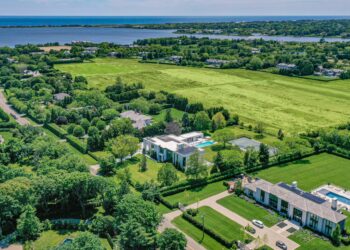
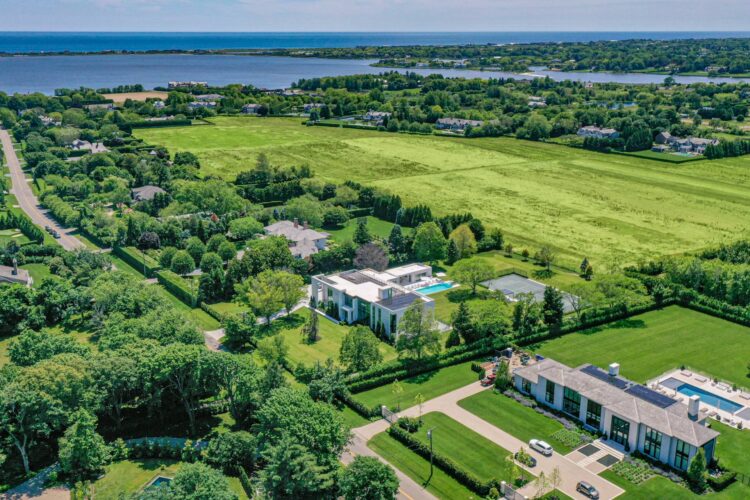
As the Hamptons’ ultra-luxury sector accelerates—with sales above $20 million doubling year-over-year—an architecturally significant coastal contemporary estate has entered the market at $32 million.
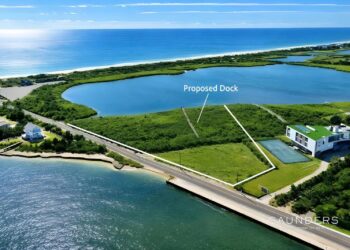
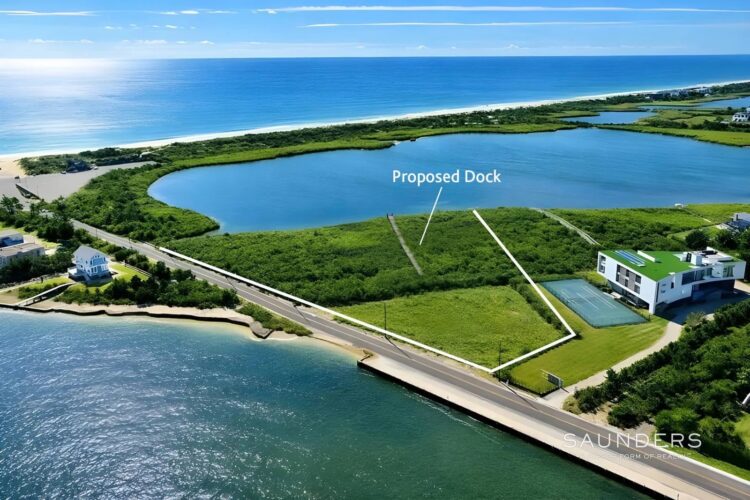
Fully permitted to BUILD TODAY. An extraordinary, unparalleled opportunity to possess the trifecta water vision of bay, pond and ocean. Approved plans and permits are in place. This is truly a treasured trophy.

For their annual celebration of Black History Month, Hamptons Doc Fest and the Southampton Arts Center are co-presenting “I Was Born This Way” (2025, 100 min.) on Saturday, February 28, 4 p.m., at SAC.

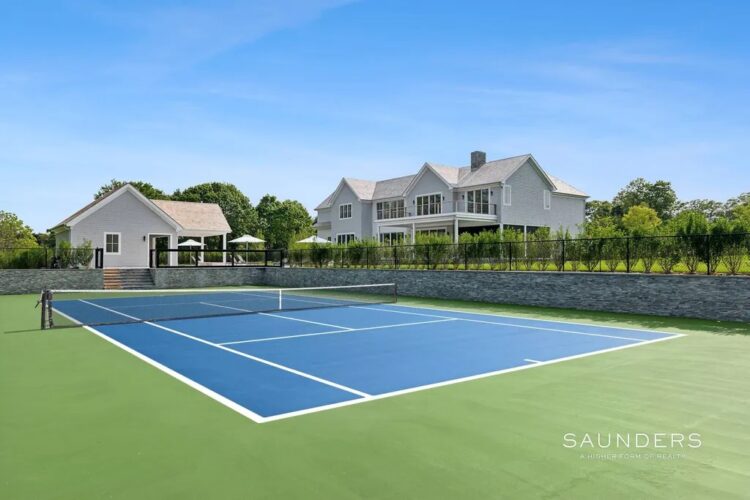
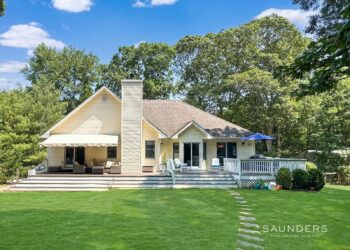
Move right in for summer 2026! Just completed and designer furnished- Stunning Southampton new construction with bright and open skies beam natural light across every inch of the expansive 2.3 acre property with large pool, pool house, and tennis. Completion...
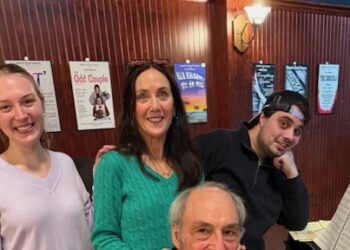
The Hampton Theatre Company's (HTC) first show of 2026 will be the Harvey Schmidt and Tom Jones musical, "I DO! I DO!" It will be directed by HTC President Rosemary Cline, who was kind enough to answer some questions about the show...
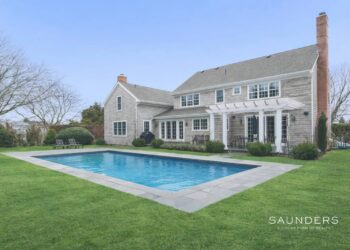
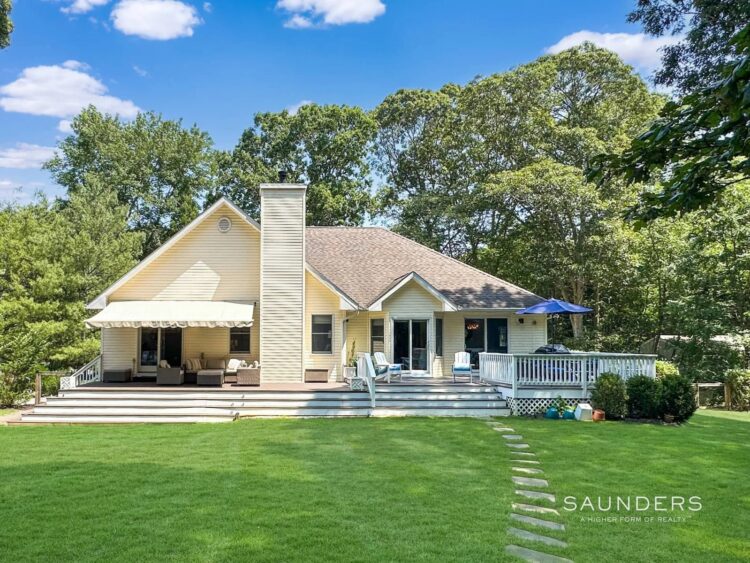
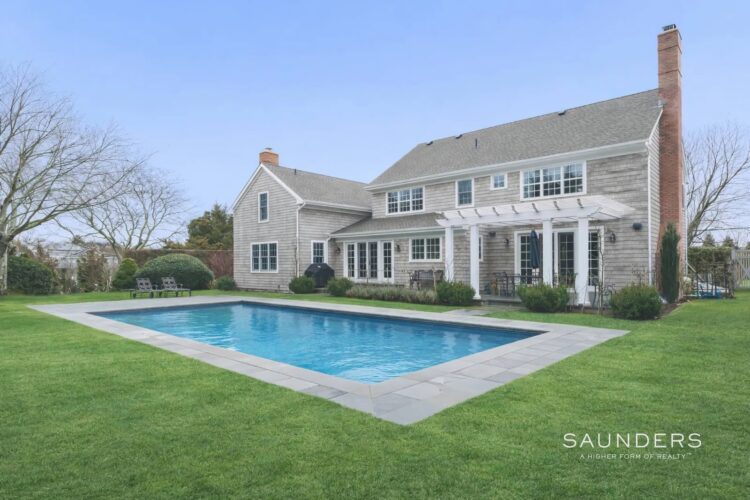
This renovated 5 bedroom, 5 full and 1 half bath traditional home is located on one of the most desirable streets in Southampton.
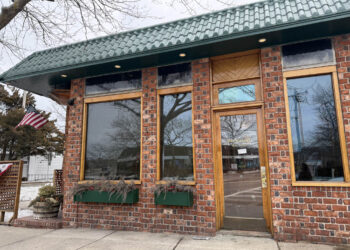
Husband and wife duo John and Kelly Piccinnini are thrilled to announce they will be taking over operations of the iconic Sag Harbor property at 1 Main Street, The Corner Bar, maintaining the restaurant's original name.

This past month, Quogue Wildlife Refuge held its beloved "Light The Night" trail walk. I've heard through the grapevine that the annual walk is magical, peaceful, and paints the dreaded cold winter nights in a whole new light (literally).
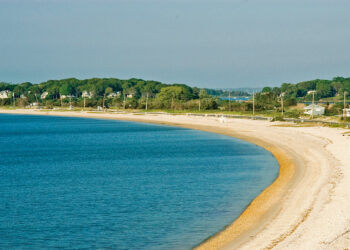
The latest Hamptons Real Estate Market Report from Saunders & Associates is now available, offering insight on how the market performed in 2025 and what it’s signaling for 2026. Read the full Hamptons Real Estate Market Report 2024 vs 2025...

Mark your calendars and lace up your skates! This Saturday, February 21st, is all about ice skating at Buckskill Winter Club in East Hampton. The club invites the community to enjoy a day of fun on the ice, benefiting Katy's...
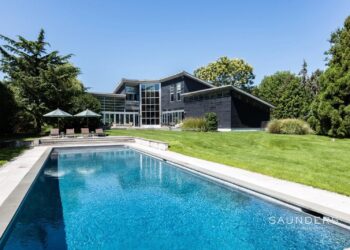
Over the past week, there were 17 Listings that went into contract from Westhampton to Montauk. Compared to this same week last year (2025), there were 28 Listings that went into contract. Which is a year over year DECREASE of 39%.

This past week, Share the Harvest Farm welcomed a sold-out gathering of women to Wölffer Estate for its “Share the Love” Galentine’s Wine Charm Workshop, an evening of creativity, connection, and community in support of the farm’s mission to fight...
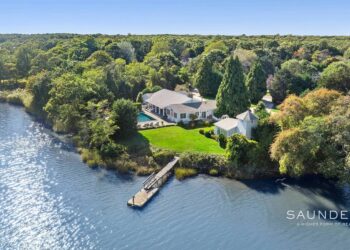
One of the first things you'll notice about this property is just how private and special it is, from the lush landscaping dotted with decades-old specimen trees to the carefully tended English gardens overlooking more than 320' of Quantuck Bay...
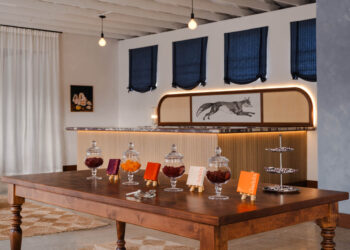
So, if you’re looking for a clear, uncluttered, and elevated cannabis experience, Charlie Fox is for you. If you’re a first-timer, excited to explore cannabis (now legal in New York), or a lifelong enjoyer who's looking for the best cannabis on...
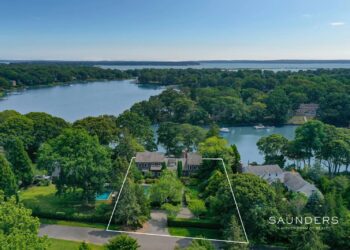
Enviably located on Shelter Island's southern coast with 113' of waterfront on Menantic Creek, this half-acre property was fully reimagined in a high-end 2017 renovation that left no detail overlooked. Offering 3,676 +/- sq. ft. across 2 levels, the home...

The Long Island debut of Ken Ludwig's Dear Jack, Dear Louise on the SAC stage in Southampton Village was a huge success. Starring Barbara Jo Howard and Jack Seabury, both gave award-winning performances and drew a standing ovation at the...
The Happening in the Hamptons Podcast by Saunders & Associates is a weekly discussion covering all things Hamptons — from...
Read moreDetailsOver the past week, there were 23 Listings that went into contract from Westhampton to Montauk. Compared to this same week...
Read moreDetailsAs the Hamptons’ ultra-luxury sector accelerates—with sales above $20 million doubling year-over-year—an architecturally significant coastal contemporary estate has entered the...
Read moreDetailsFully permitted to BUILD TODAY. An extraordinary, unparalleled opportunity to possess the trifecta water vision of bay, pond and ocean....
Read moreDetailsMove right in for summer 2026! Just completed and designer furnished- Stunning Southampton new construction with bright and open skies...
Read moreDetailsThis renovated 5 bedroom, 5 full and 1 half bath traditional home is located on one of the most desirable...
Read moreDetails