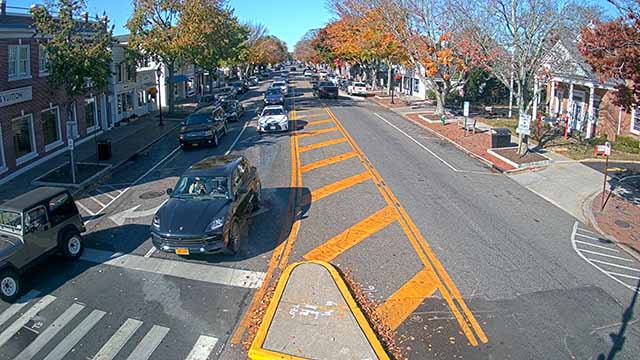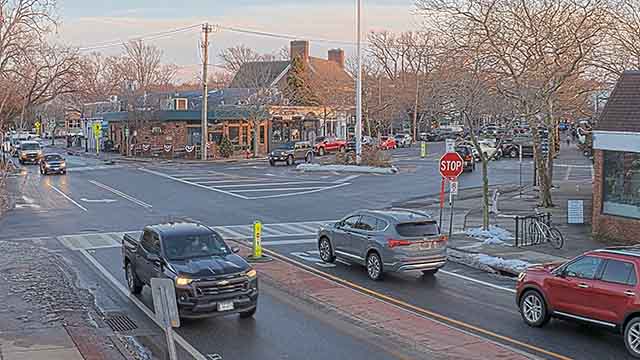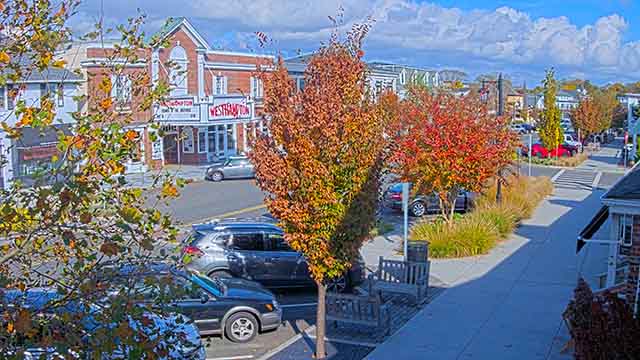
Main Street
Westhampton





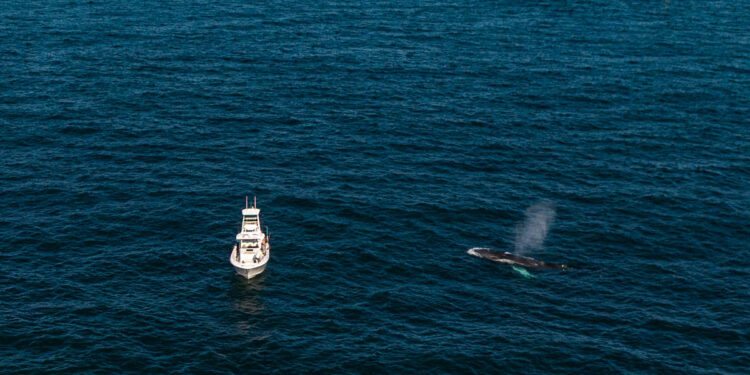
Empire of the Atlantic is a breathtaking taste of what everyone loves about the magic of the waters off the East End, specifically Montauk. Jeff Ragovin, Founder and CEO of Ragovin Ventures, is the executive producer through Bounty Uncharted Productions and assembled a team to bring the project to fruition.

Check out the top Hamptons events this March weekend!
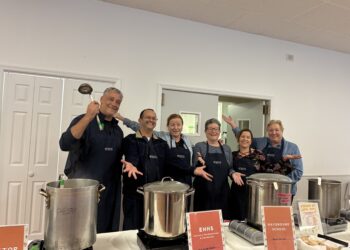
Project Most held their annual "Empty Bowls" event on March 8th at the American Legion in Amagansett, featuring delicious soups crafted by local chefs. The community lined up to support a great cause, prompting the chefs to run out of...

She arrived in New York from europe Two decades ago. Now, she’s shaping culture from the inside, and has made Palm Beach her home. Dee Ocleppo Hilfiger reflects on reinvention, reality TV, creative risk, and why the most powerful women...
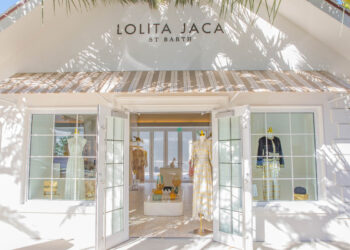
Faby Jaca shares why the island was the perfect spot for her Saint Barth–born brand, from destination-exclusive designs to a boutique where you’ll feel right at home.

As founder/CEO of the SAME swimwear line, she’s created a world that goes beyond fashion and style. Here are some little-known details that truly reveal the multifaceted entrepreneur.

The West Palm Beach local offers content that is both aspirational and real. Equal parts Palm Beach polish and West PB energy, her rhythm captures what residents love most about life here.

Her grandfather built a global empire with Conair, turning beauty and personal-care tools into household staples. Now, Nicola “Coco” Verses steps into the spotlight—heir to innovation and architect of her own story.

Under a canopy of swaying royal palms and gilded twilight skies, the island awakens its most exquisite season, when black-tie galas glow within storied ballrooms. From the spectacle of polo in Wellington to waterfront soirées, every invitation carries distinction. Here...

We can all agree that modern dating has become lazy. We’re defaulting to drinks at a bar because it requires minimal effort and no creativity. Then, we don’t end up connecting with someone as the conversation stays on the surface...
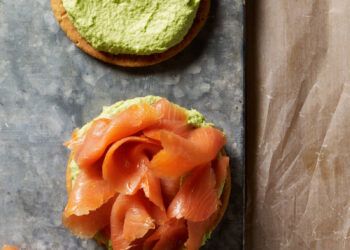
I love spring because it’s a time of new beginnings, when the cold snap gives way to warmer temperatures. People have tired of cocooning and are ready to socialize. Having lived and worked in many countries, I’ve been fortunate to...
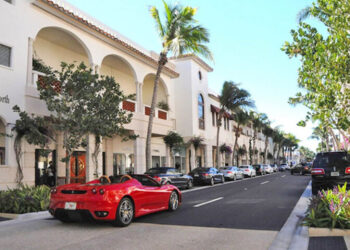
No matter where you are in the Northern Hemisphere, spring is such an exciting season, with the promise of warmer weather, trees and tulips in bloom, people feeling the buzz and finally being able to be outside more and enjoy...
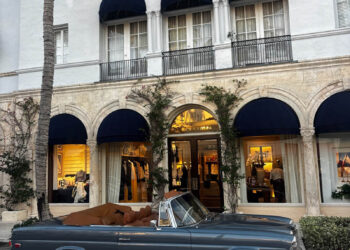
Palm Beach has always existed within its own tempo. It does not chase. It does not announce. It observes, refines, and adopts. For decades, that same philosophy defines the way we dine here.
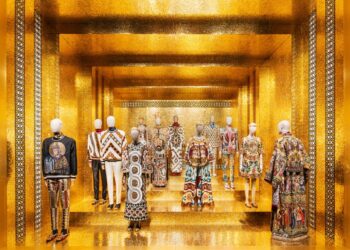
Now open at the Institute of Contemporary Art, Miami, From the Heart to the Hands: Dolce & Gabbana marks the exhibition’s highly anticipated U.S. debut, following critically acclaimed and sold-out runs in Paris, Rome, and Milan. The landmark presentation invites...
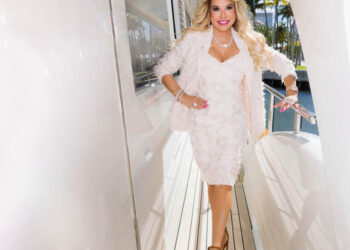
Kimberlie Glaser has long understood that true success is measured not only by what one builds, but by what one gives back. Though she is widely recognized for her accomplished career in commercial real estate as the owner of Scutti...

These are the designers, influencers, and content creators who are making things happen on our feed this spring.

The Happening in the Hamptons Podcast by Saunders & Associates is a weekly discussion covering all things Hamptons — from local events to in-depth real estate market analysis. This week, Vince Horcasitas joined and discussed the busy Hamptons rental season.
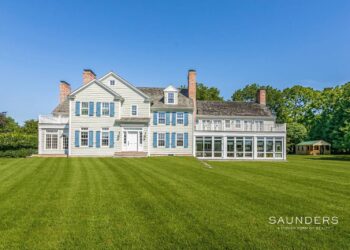
Unmatched anywhere in East Hampton, this luxurious reserve-wrapped Amagansett estate, currently owned by Alec and Hilaria Baldwin, offers a rare combination of historic charm, modern amenities, and approved expansion plans that position it for an extraordinary next chapter. Set on...

Soon, the East Bunny will be coming into town; check out the egg hunts in the Hamptons!
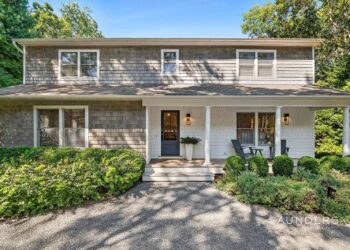
Over the past week, there were 25 Listings that went into contract from Westhampton to Montauk. Compared to this same week last year (2025), there were 21 Listings that went into contract. Which is a year over year INCREASE of 19%.

Bridgehampton Chamber Music welcomes spring with an inventive trio of concerts for its annual BCM Spring Series: the Galvin Cello Quartet, Rhapsody in Blue: A Gershwin Evening, and Heavenly Trios. The 5pm Saturday concerts take place at the Bridgehampton Presbyterian...
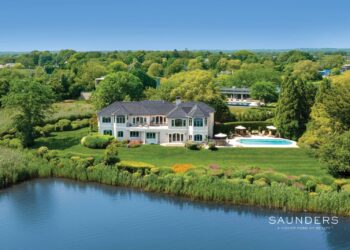
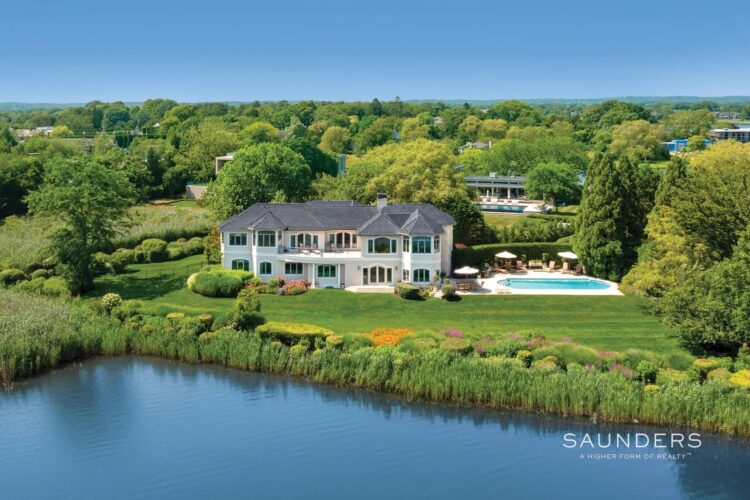
Wrapped in breathtaking views over Mecox Bay and the Atlantic Ocean, this perfectly positioned waterfront estate delivers the very best of coastal contemporary luxury in the Hamptons. Located South of the Highway in Water Mill, 54 Cobb Isle Road is...
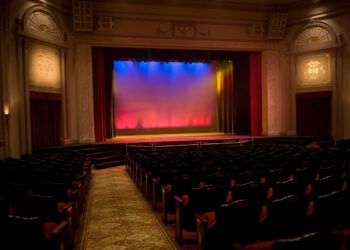
The Westhampton Beach Performing Arts Center is set to light up the East End once again with a vibrant and diverse 2026 summer season featuring acclaimed musicians, Broadway stars, comedy favorites, and unforgettable tribute performances. From legendary voices to rising...
The Happening in the Hamptons Podcast by Saunders & Associates is a weekly discussion covering all things Hamptons — from...
Read moreDetailsUnmatched anywhere in East Hampton, this luxurious reserve-wrapped Amagansett estate, currently owned by Alec and Hilaria Baldwin, offers a rare...
Read moreDetailsOver the past week, there were 25 Listings that went into contract from Westhampton to Montauk. Compared to this same week...
Read moreDetailsWrapped in breathtaking views over Mecox Bay and the Atlantic Ocean, this perfectly positioned waterfront estate delivers the very best...
Read moreDetailsFind the essence of easy Hamptons living at 118 Georgica Close Road, South of the Highway on 1.2 acres with...
Read moreDetailsEnjoy exquisite privacy in this immaculate and stylishly furnished six bedroom, seven and a half bath residence on 5.5 acres...
Read moreDetails